Traditional Ingredients of Gorkha Dishes: Staples, Spices & Ferments Nepal 2026
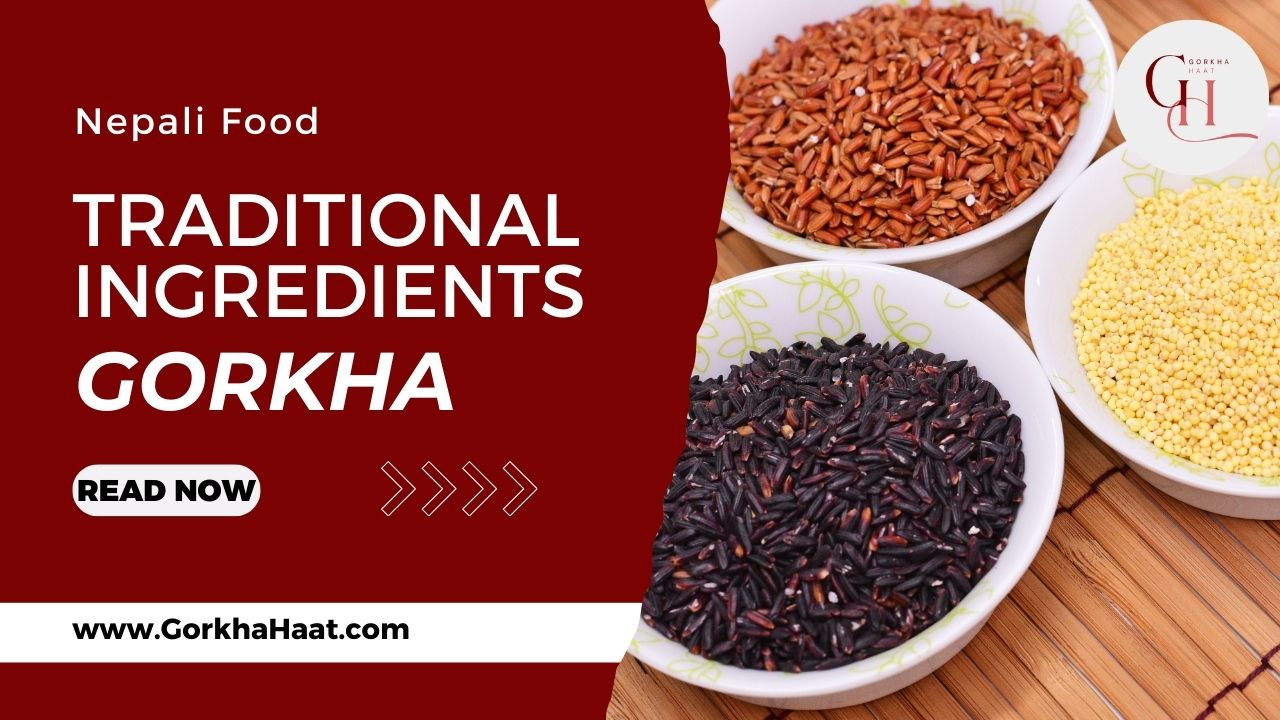
Traditional Ingredients of Gorkha Dishes: The Heart and Soul of Hill Cuisine – Staples, Spices, and Ferments from Nepal's Historic Heartland
Hello, dear readers of Gorkha Haat! Rajesh Gurung here, surrounded by the fresh scent of pine and distant tea gardens in Darjeeling on this March day in 2026. As your devoted content writer for this blog that celebrates our Gorkha heritage—from the legendary khukuri and warrior spirit to the tangy comfort of sinki ko jhol, the umami punch of kinema ko jhol, rare ethnic rarities, and the vibrant chaos of street foods—today we zoom in on the quiet heroes behind every flavorful dish: traditional ingredients of Gorkha cuisine.
Gorkha district, the birthplace of modern Nepal and the Shah kings, boasts a cuisine shaped by rugged hills, seasonal scarcity, and ethnic diversity (Magar, Gurung, Rai, Limbu, and others). Its ingredients reflect resourcefulness: hardy grains for dhido, fermented greens for nutrition in winter, wild foraged items for depth, and simple spices for bold flavor. For us in Darjeeling, these staples are familiar friends—millet flour in our kitchens, gundruk packets from haats, timur in our curries—linking our tea-estate life to Nepal's ancestral hills.
In this comprehensive guide, we'll explore the core staples, key spices, fermented powerhouses, wild and seasonal treasures, and how they create the soul-satisfying dishes we love. Let's uncover the building blocks of Gorkha flavor!
Core Staples: Grains and Pulses That Sustain the Hills
Gorkha cuisine revolves around hardy, climate-suited staples that provide energy for labor-intensive hill life.
Millet (Kodo), Buckwheat (Phapar), Maize (Makai), and Barley (Jau) form the base for dhido—the thick, nutritious porridge that's a true Gorkha comfort food. These gluten-free grains thrive in poor soil and high altitudes, offering sustained energy. Dhido is stirred patiently in a traditional pot, served with gundruk jhol or sukuti—simple yet filling.
Rice (Bhat) remains a staple where possible, often paired with dal (lentils) and tarkari (vegetable curry). Lentils like masuro dal (red lentils), musuro dal, and rahari dal provide protein, simmered with turmeric, cumin, and ginger.
Potatoes (Alu), introduced centuries ago, are ubiquitous—boiled in aloo ko achar, cubed in curries, or mashed in sides.
Soybeans (Bhatmas) are fermented into kinema or roasted as snacks—protein-rich and versatile.
These staples reflect self-sufficiency: grains stored for winter, lentils dried, potatoes dug from terraced fields.
A hearty dhido made from kodo millet—hill staple in the making.
Traditional buckwheat (phapar) flour—nutty base for many dishes.
Essential Spices and Aromatics: The Flavor Backbone
Gorkha dishes rely on a modest but potent spice palette—fresh, local, and bold.
Ginger (Aduwa) and Garlic (Lasun) are foundational—grated or minced into almost every curry for warmth and digestion.
Turmeric (Besan) adds golden color and anti-inflammatory benefits.
Cumin (Jeera) and Coriander (Dhania) seeds are dry-roasted or ground—earthy base notes.
Timur (Sichuan Pepper) from eastern hills gives a numbing, citrusy zing—essential in Limbu/Rai dishes.
Fenugreek Seeds (Methi) and Mustard Seeds pop in tempering (jhaneko) for nutty aroma.
Green Chilies (and fiery dalle khursani) bring heat; mustard oil (Tori ko Tel) is the cooking medium—smoked for depth.
Salt and fresh coriander leaves finish most dishes.
These create layered flavors: cumin for earthiness, timur for tingle, mustard oil for smokiness.
Timur (Sichuan pepper)—unique numbing spice of the hills.
Mustard oil tempering—nutty aroma that defines Gorkha curries.
Fermented Powerhouses: Gundruk, Sinki, Kinema, and More
Fermentation is Gorkha's genius—preserving nutrients and adding tangy depth.
Gundruk (fermented leafy greens—mustard, cauliflower leaves) is sun-dried then fermented—probiotic-rich, used in jhol or achar.
Sinki (fermented radish roots) adds sour punch to soups—tangy winter staple.
Kinema (fermented soybeans)—sticky, umami bombs in curries or achar.
These ferments provide vitamins, probiotics, and flavor in lean months—true hill wisdom.
Dried gundruk ready for rehydration—fermented green gold.
Kinema beans—pungent fermented soybeans.
Wild and Seasonal Treasures: Foraged Goodness
Gorkha cuisine draws from nature:
Sisnu (Stinging Nettle) for soups—nutrient-packed.
Niuro (Fiddlehead Ferns) sautéed with anchovies.
Yangben (Reindeer Moss/Lichen) thickens pork curries in Rai/Limbu dishes.
Bamboo Shoots (Tama) in curries—subtle sweetness.
Wild Mushrooms and greens add earthiness.
These foraged items highlight sustainability and seasonal eating.
Sisnu (nettle) leaves—wild green powerhouse.
Fresh bamboo shoots (tama)—crisp seasonal delight.
Meat, Dairy, and Other Essentials
Buffalo, Pork, Goat, Chicken—often smoked as sukuti or grilled.
Churpi (hard cheese) from yak or cow milk—chewy snack.
Dahi (Yogurt) and mohi (buttermilk) for cooling.
Ghee and mustard oil for richness.
These complete the balance—protein from animals, probiotics from dairy.
Smoked sukuti—dried meat preserved for flavor.
Churpi cheese—traditional hill snack.
Cultural Significance & Tips for Using Gorkha Ingredients
These ingredients sustain health, preserve culture, and adapt to seasons. Ferments combat winter scarcity; spices aid digestion; staples fuel labor.
Tips:
Source authentic timur or kinema from Nepali stores/haats.
Use mustard oil for tempering—heat till smoky.
Ferment at home: radish for sinki, soybeans for kinema.
Balance flavors: sour ferments with rice, spicy chilies with yogurt.
Personal Reflections: Ingredients That Taste Like Home
These ingredients are memories—grandmother fermenting gundruk, the sizzle of mustard oil, timur's tingle. In Darjeeling, they connect us to Gorkha's hills: simple, resilient, flavorful.
Conclusion: The Essence of Gorkha Dishes Lies in These Ingredients
Traditional Gorkha ingredients—millet, ferments, timur, mustard oil, wild greens—are more than pantry items; they're the soul of hill cuisine, sustaining body and heritage.
Stock your kitchen with them—cook, savor, celebrate! Visit Gorkha Haat for more inspiration. Namaste from the misty hills!
Gorkha Haat Team
We share stories of authentic Nepali heritage, food, culture, and local markets.
Related Posts
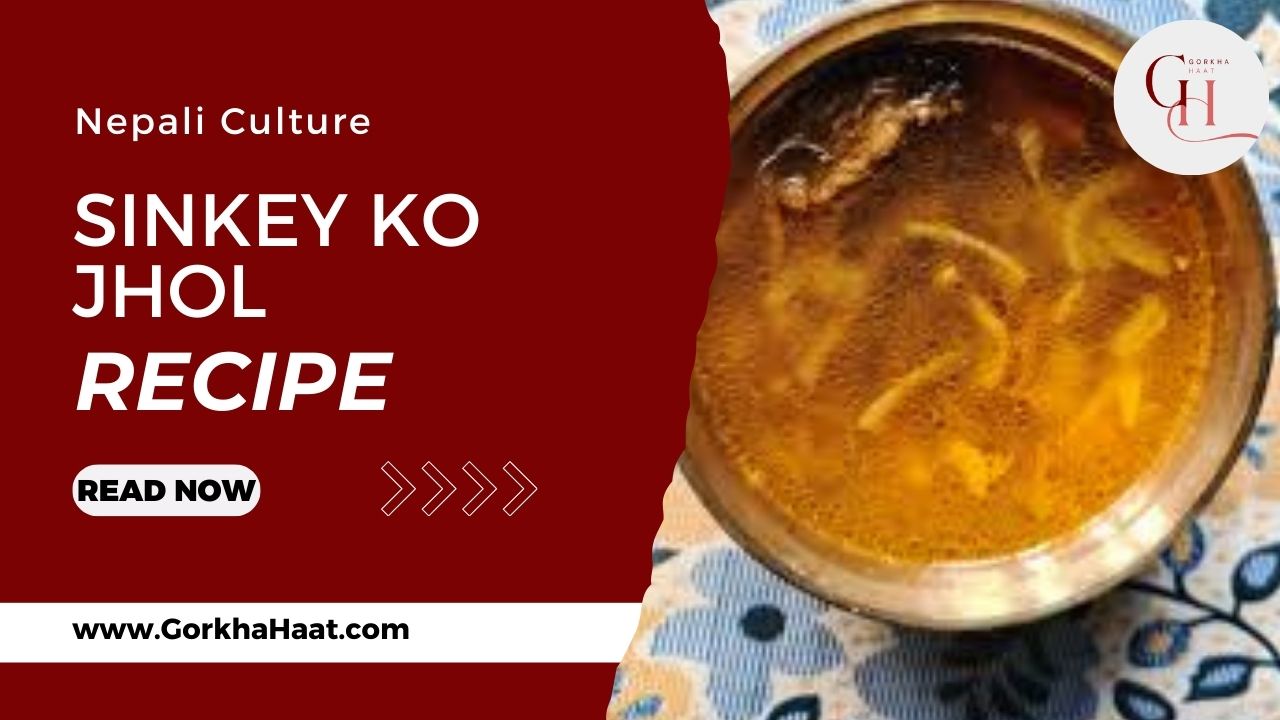
Sinkey Ko Jhol Recipe: Fermented Radish Soup – Authentic Gorkha Winter Dish 2026
Discover Sinkey Ko Jhol – tangy fermented radish leaf soup from eastern Nepal. Authentic recipe, fermentation process, cultural significance, and tips from a Darjeeling Gorkha perspective. Probiotic winter warmer!
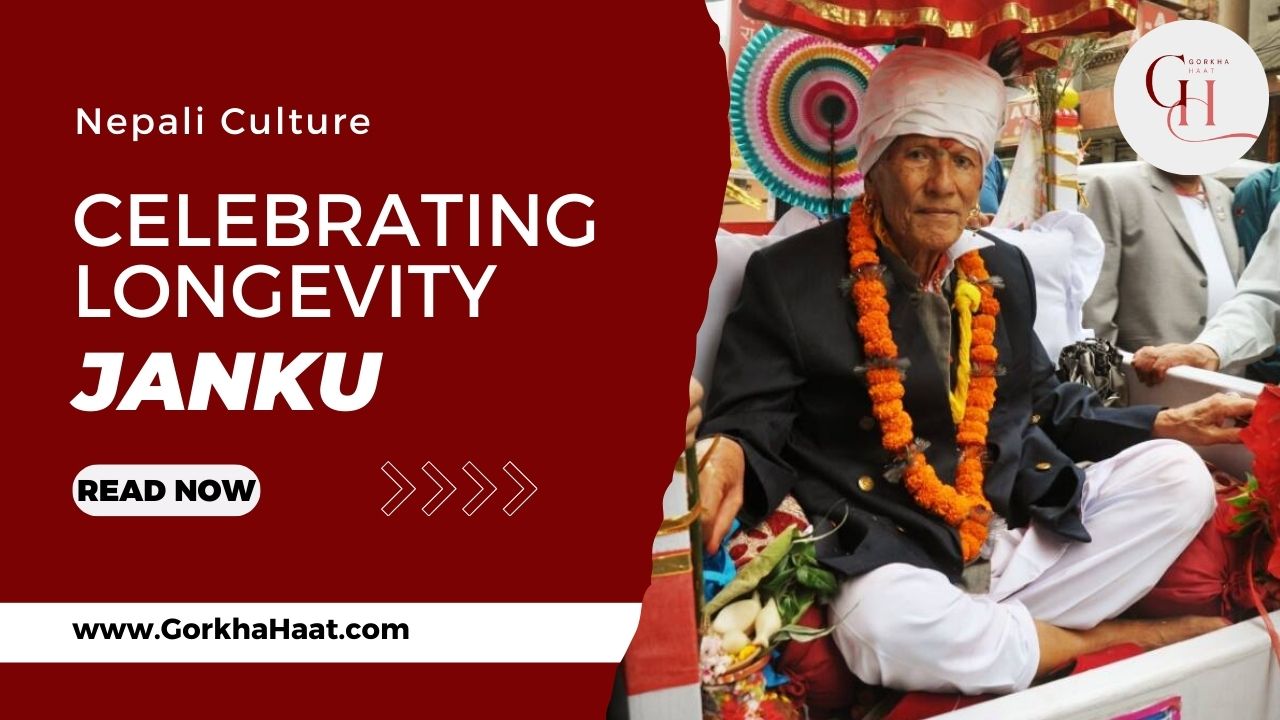
Janku Ceremony Nepal & Darjeeling: Newar Longevity Guide 2026
Discover Janku – Newar elders’ divine longevity ritual at 77, 88, 99 years. Rituals, significance & differences between Kathmandu Valley and Darjeeling Newar traditions.
Festivals & Rituals of Gorkha Nepal: Dashain, Tihar, Teej & Ethnic Celebrations 2026
Explore festivals and rituals in Gorkha district, Nepal – Dashain at Gorkha Durbar, Tihar lights, Teej for women, Manakamana Temple pujas, Maghe Sankranti, and Magar/Gurung ethnic traditions. A heartfelt guide from Darjeeling's Gorkha perspective!
Comments
User Name
This is an example comment. Users can leave feedback here.