Kinema Ko Jhol Recipe: Fermented Soybean Curry – Authentic Limbu/Rai Dish 2026
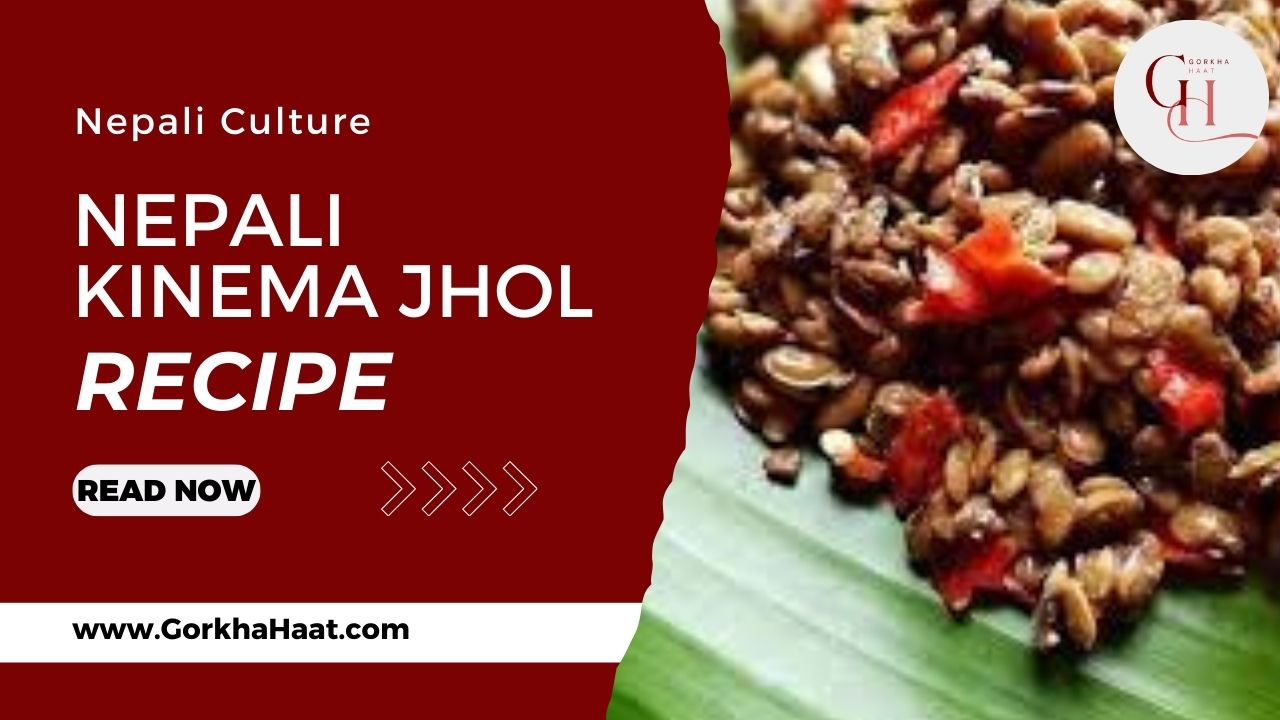
Kinema Ko Jhol: The Pungent, Umami-Rich Fermented Soybean Curry – A Beloved Ethnic Treasure from Eastern Nepal's Gorkha Heartland
Hello, dear readers of Gorkha Haat! Rajesh Gurung here, cozying up with a warm cup of tea amid Darjeeling's rolling mist on this January evening in 2026. As your passionate content writer for this blog that celebrates our Gorkha roots—from rare ethnic delicacies like yangben-faksa and sargemba to tangy salads, khukuri craftsmanship, and vibrant festivals—today we're diving deep into one of the most distinctive and beloved dishes in our culinary heritage: Kinema Ko Jhol.
This fermented soybean curry, with its bold, sticky texture, strong ammoniacal aroma, and deep umami flavor, is a true taste of eastern Nepal's Kirat (Limbu, Rai) communities, where it originated centuries ago. In Darjeeling and the broader Gorkha diaspora, kinema holds a special place—often prepared during family gatherings, festivals, or simply as a comforting winter warmer. Its pungent smell might turn heads (neighbors know exactly when you're cooking it!), but once you taste it with steaming rice or roti, the earthy, nutty richness wins you over forever.
For us in Darjeeling, kinema ko jhol evokes stories from elders about eastern hill villages, where soybeans were fermented in bamboo baskets wrapped in leaves, creating this probiotic powerhouse. It's not just food—it's a living link to our Mongoloid ethnic ancestors, their ingenuity in preserving protein through fermentation, and the resilience of hill life. In this heartfelt, in-depth guide (over 2000 words!), we'll explore kinema's origins, cultural significance, authentic preparation, variations, and tips to make it at home. Let's embrace this stinky-yet-sublime treasure together!
The Roots of Kinema: Ancient Fermentation from Limbuwan to the Himalayas
Kinema traces its origins to the historical Limbuwan region in eastern Nepal (now districts like Ilam, Jhapa, Panchthar, Taplejung, and others), home to the Limbu and Rai people. Archaeological and oral traditions suggest soybean fermentation practices date back to around 600 BCE during the Kirat dynasty, making kinema one of the oldest fermented soybean foods in the Himalayas.
Soybeans (bhatmas) were one of the earliest crops cultivated by Kirats, according to Mundhum (oral legends). The word "kinema" derives from Limbu language, meaning "fermented soybean." Traditionally, cooked soybeans are wrapped in banana or fig leaves, placed in bamboo baskets, and fermented naturally with Bacillus bacteria for 2–3 days in warm conditions—resulting in sticky, slimy beans with a strong, cheese-like aroma and nutty-umami taste.
This bacterial fermentation (unlike fungal ones in other Asian soy foods) breaks down proteins into digestible amino acids, boosting nutrition and creating that signature stickiness. Kinema spread through migration to Sikkim, Darjeeling, Bhutan, and beyond—carried by Gorkha families like ours during colonial times.
In Darjeeling, kinema is a haat staple—sold dried or ready-to-cook—and prepared in homes with the same reverence. It's more than sustenance; it's cultural identity, especially for Kirat-origin Gorkhas.
Here’s a traditional preparation scene of kinema—sticky, aromatic beans ready for the pot.
A steaming bowl of kinema ko jhol—pungent umami heaven with rice.
Learn more about:
Darjeeling Salad & Nepali Salads
Kinema Ko Jhol: The Classic Curry Recipe – Authentic & Simple
Kinema ko jhol (or kinema curry/soup) is the most common way to enjoy it—a hearty, tangy curry tempered with mustard oil for smoky depth.
Ingredients (serves 4):
1–1½ cups kinema (fermented soybeans; store-bought or homemade)
1 medium onion, finely chopped
2 medium tomatoes, chopped
4–6 garlic cloves, minced
1-inch ginger, grated
2–4 green chilies (or dalle khursani for extra heat), chopped
½ tsp turmeric powder
1 tsp cumin seeds
½ tsp fenugreek seeds (optional for tempering)
2–3 tbsp mustard oil (key for authentic flavor)
Salt to taste
Fresh coriander for garnish
Optional: 1 potato (cubed), green beans, or pork for non-veg version
Method:
Rinse kinema lightly if too sticky/salty; drain.
Heat mustard oil in a deep pan until smoking point (this removes pungency and adds nutty aroma).
Add fenugreek and cumin seeds; let splutter.
Add chopped onion; sauté until golden.
Toss in garlic, ginger, chilies; fry 1–2 minutes.
Add turmeric and kinema; stir-fry 2–3 minutes to release aroma.
Add tomatoes and salt; cook until tomatoes soften into gravy.
Pour water (2–3 cups for soupy jhol); add potato if using.
Simmer 10–15 minutes until flavors meld and kinema softens slightly.
Garnish with coriander; serve hot with rice or roti.
The result: a thick, sticky curry with intense umami, balanced by tomato tang and chili heat. Non-veg versions add pork or chicken for richness.
A close-up of bubbling kinema ko jhol—smoky, sticky perfection.
Traditional Limbu-style kinema curry—earthy and comforting.
Cultural Significance: Kinema as Identity, Nutrition, and Ritual
Kinema is deeply tied to Kirat (Limbu/Rai) identity—prepared during festivals like Sakela (Ubhauli/Udhauli), weddings, and family rituals. It's a symbol of abundance and preservation—fermentation ensured protein in harsh winters.
Nutritionally, it's a powerhouse: high protein (from soybeans), probiotics (from fermentation), antioxidants, and easy digestibility. The strong smell (ammoniacal) is from natural breakdown—embraced as "authentic" by lovers.
In Darjeeling/Sikkim, kinema bridges Nepal and India—eaten at haats, community events, and homes—reinforcing Gorkha unity amid diaspora.
Variations include kinema achar (pickle with onions/tomatoes), kinema with greens, or mixed with gundruk.
Kinema beans fermenting traditionally—wrapped in leaves for natural magic.
A family meal with kinema ko jhol—shared heritage on a plate.
Variations & Pairings: Making Kinema Your Own
Kinema Achar: Mix with chopped onion, tomato, chilies, lemon—raw salad style.
Kinema with Pork: Add meat for festive richness.
Kinema Saag Ko Jhol: Blend with greens like sisnu (nettle) for extra nutrition.
Mild Version: Use less kinema or substitute natto (Japanese equivalent) for beginners.
Pair with plain rice, roti, or dhido; balance with gundruk or fresh salad. In Darjeeling, it's often milder for mixed palates.
Tips for Sourcing & Cooking Kinema at Home
Source: Nepali/Sikkimese stores, online (dried kinema), or make at home (boil soybeans, ferment 2–3 days in warm spot).
Handling the Smell: Cook with windows open; mustard oil tempering cuts pungency.
Storage: Dried kinema lasts months; cooked jhol 2–3 days refrigerated.
Health Note: Probiotic-rich—great for gut health; start small if new to ferments.
In Darjeeling haats, kinema packets are common—grab some!
Personal Reflections: Kinema's Place in My Gorkha Heart
Kinema ko jhol takes me back to family visits—its aroma filling the house, elders sharing stories of eastern villages. In Darjeeling, cooking it feels like honoring ancestors—pungent yet profound, a reminder of our shared resilience and flavor love.
Conclusion: Embrace the Bold Beauty of Kinema Ko Jhol
Kinema ko jhol is more than a curry—it's fermented history, cultural pride, and umami magic from eastern Nepal's hills. For Gorkhas in Darjeeling and beyond, it's a taste of home, heritage, and heart.
Try it—embrace the aroma, savor the depth! Head to Gorkha Haat for more recipes and stories. Namaste from the misty mountains!

Gorkha Haat Team
We share stories of authentic Nepali heritage, food, culture, and local markets.
Related Posts

Swayambhu (Swayambhunath) Stupa: History, Legends, Architecture & Spiritual Guide
Swayambhu (Swayambhunath) Stupa is one of Nepal’s oldest and most sacred Buddhist monuments. Known for its serene hilltop setting, iconic Buddha eyes, and rich spiritual history, it remains a powerful symbol of enlightenment, peace, and cultural harmony in the Kathmandu Valley.

Hidden Culinary Treasures of Gorkha Nepal: Authentic Hill Foods & Recipes 2026
Discover the hidden culinary gems of Gorkha district, Nepal – dhido, gundruk, batuk, kinema, sukuti, and more. Explore authentic Gorkha hill cuisine, ethnic Magar & Gurung flavors, and tips from a Darjeeling Gorkha perspective. Perfect for food lovers and travelers!

Best Hiking Trails in Darjeeling - Queen of Hills, Kalimpong, Kurseong & Mirik | Gorkha Haat
Explore top hiking trails in Darjeeling hills—from Sandakphu Singalila Ridge to Mirik lake walks. Detailed guides for Darjeeling, Kalimpong, Kurseong & Mirik with tips, views & homestay connections at Gorkha Haat.
Comments
User Name
This is an example comment. Users can leave feedback here.