Momo in Darjeeling: History, Recipes & Cultural Spread Across Hills, Nepal & India | Gorkha Haat
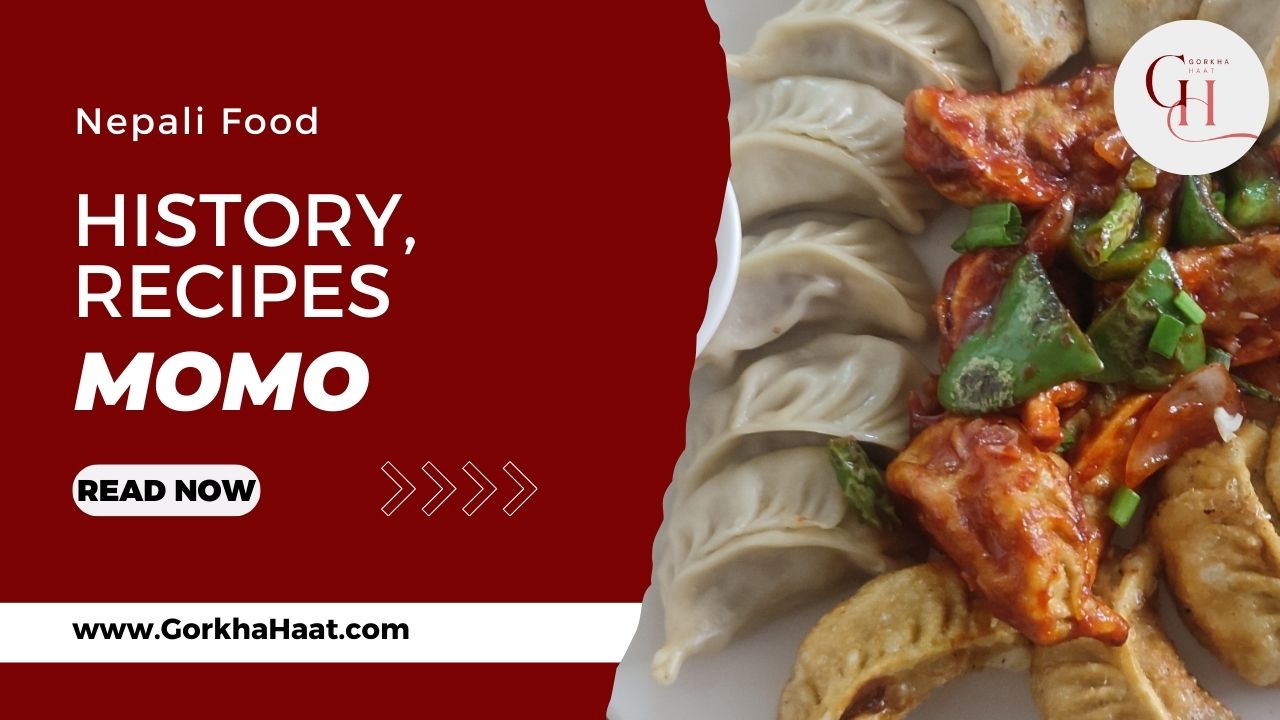
Momo: Darjeeling’s Steamed Delight – History, Recipes, and Cultural Journey Across the Hills and Beyond
In the fog-shrouded bazaars of Darjeeling, where the scent of pine mingles with sizzling garlic and the distant rumble of the toy train echoes through tea gardens, one humble steamed dumpling reigns supreme: Momo.
From the bustling stalls of Gorkha Haat to the roadside shacks in Kurseong, the family kitchens of Kalimpong, and the high-altitude eateries of Sikkim, Momo is more than a snack—it's a warm hug on a chilly hill evening, a shared plate that bridges communities, and a culinary ambassador that has conquered hearts from the Himalayas to the streets of Mumbai.
At Gorkha Haat, where vendors steam baskets of juicy Momos round the clock, you'll find locals and tourists alike huddled around, dipping these pillowy parcels into fiery tomato-chili chutney, their faces lit by the glow of charcoal fires. But how did this simple Tibetan-Nepali delight become India's favorite street food? Let's unwrap the story of Momo, layer by layer.
Origin and Historical Roots of Momo
The tale of Momo begins high in the Tibetan Plateau, centuries ago. The word "Momo" derives from the Tibetan "mog mog," meaning "steamed bread" or "steamed bun," though some trace it to the Newari "momo" in Nepal, signifying "steamed dumpling." Historians believe Momos originated in Tibet around the 14th–15th centuries, during the era of the Tibetan Empire, as a portable, nourishing food for nomads, monks, and traders traversing the harsh Himalayan terrain. Made from locally available yak meat, barley flour, and simple seasonings, these dumplings were steamed over wood fires, preserving moisture and nutrients in the thin mountain air.
As Tibetan Buddhism spread southward, so did Momo. By the 17th century, Tibetan refugees and traders fleeing political upheavals brought the recipe to Nepal, where it fused with local flavors. In the Kathmandu Valley, Newars adapted it with buffalo meat and spices like cumin and coriander, while in eastern Nepal's hills (around Ilam and Dhankuta), communities like Rai, Limbu, and Gurung incorporated wild herbs and fermented bamboo shoots. Nepal's Gorkha district—birthplace of the famous Gorkha warriors—became a hub, where Momos evolved into a festive treat during Dashain and Tihar.
The big leap to India happened in the 19th century with the British Raj. When Gorkha soldiers were recruited into the British Indian Army, they carried their culinary traditions to hill stations like Darjeeling. Established as a sanatorium in 1835, Darjeeling saw an influx of Nepali-speaking settlers from Nepal's Gorkha and eastern regions, who planted tea and brought Momos. By the early 20th century, Tibetan refugees escaping the 1959 Chinese invasion settled in Kalimpong and Sikkim, further enriching the local Momo scene with authentic Sha Phaley (fried Momo) and Thukpa pairings.
Today, Momo's origin story is a testament to migration and adaptation: from Tibetan nomads' survival food to Nepal's everyday delight, and finally to Darjeeling's iconic hill snack that symbolizes resilience and cultural fusion.
Momo in Darjeeling and the Surrounding Hills
In Darjeeling, Momo is woven into the fabric of daily life. Picture a rainy afternoon in Chowk Bazaar: vendors under tarpaulin roofs steam bamboo baskets over kerosene stoves, serving piping-hot Momos to schoolchildren, tea pluckers, and tourists. The local version uses finely minced buffalo or chicken, mixed with onions, garlic, ginger, and a hint of timur (Sichuan pepper) for that numbing hill kick. Wrappers are thin, made from maida (refined flour), and steamed until translucent.
Head to Kurseong, the "Land of White Orchids," and you'll find Momos with a twist—often stuffed with local organic vegetables like rayo saag (mustard greens) or sisnu (stinging nettle) for a nutritious, foraged flavor. In family-run eateries along the highway, Momos are paired with thukpa (noodle soup) to combat the perpetual mist.
Kalimpong, with its strong Tibetan influence from the refugee settlements, offers the most authentic varieties. At places like Gompu's or local haats, try Sha Momo (beef) or Ting Momo (steamed buns without filling), often served during Losar (Tibetan New Year). The town's Marwari-Newa mix adds fusion: veg Momos with paneer and cheese for tourists.
Sikkim, Darjeeling's neighbor, elevates Momo to state pride. In Gangtok's MG Marg or Pelling's monasteries, Momos feature yak cheese or pork, reflecting Bhutanese-Tibetan roots. During Sikkim's Pang Lhabsol festival, Momos are offered as prasad, symbolizing unity among Lepcha, Bhutia, and Nepali communities.
At Gorkha Haat, our Momo stalls are legendary—using hill-sourced ingredients like free-range chicken from local farms and organic spices. A plate of 8–10 Momos costs just ₹50–80, making it accessible and addictive.
The Spread of Momo Across India
From its Himalayan cradle, Momo's journey across India is a modern migration miracle. In the 1980s–90s, as Nepali and Tibetan migrants moved to urban centers for work, they set up small stalls in Delhi's Majnu-ka-Tilla (Tibetan colony) and Mumbai's Dharavi. Delhi's street food scene exploded with Momo vendors, blending it with Indo-Chinese flavors like schezwan sauce.
By the 2000s, Momos went viral. Bollywood references (think "Queen" or "Pyaar Ka Punchnama"), food blogs, and social media turned it into a national craze. Today, from Kolkata's Park Street to Bangalore's Indiranagar, Momo stalls dot every corner. Chains like Wow! Momo and Momo King have franchised it, offering innovations like tandoori Momos or peri-peri variants, making it a ₹1,000-crore industry.
In southern India, Chennai and Hyderabad adapt Momos with local masalas, while in Gujarat, they're paired with kadhi. This pan-Indian fame stems from Momo's versatility: affordable (₹20–50/plate), portable, and customizable—veg for Jains, chicken for non-veg lovers. Festivals like Delhi's Hornbill or Mumbai's Mood Indigo feature Momo-eating contests, cementing its status as India's adopted dumpling.
Momo's Enduring Role in Nepal
Back in Nepal, Momo is national identity on a plate. In Kathmandu's Thamel or Pokhara's lakeside, tourist hubs buzz with Momo houses serving "Momo parties"—all-you-can-eat feasts. In rural Gorkha and eastern hills, Momos are homemade for festivals: buffalo Momos during Dashain, veg during Teej.
Nepal's diverse ethnic groups add layers: Newars make Yomari-inspired sweet Momos, Thakalis add fermented bamboo, and Sherpas use yak meat. The 2015 earthquake saw Momos as comfort food in relief camps, symbolizing resilience. Today, Nepal exports Momo culture globally, with diaspora in the US and UK opening authentic eateries.
Authentic Darjeeling-Style Momo Recipe (Makes 30–40 Momos)
Ingredients
For Wrappers
2 cups maida (all-purpose flour)
½ tsp salt
Water as needed
For Filling (Chicken Momo)
500g minced chicken (or buff/veg alternative)
1 large onion, finely chopped
4–5 garlic cloves, minced
1-inch ginger, grated
2 green chilies, chopped
1 tsp cumin powder
½ tsp timur powder (optional)
2 tbsp coriander leaves, chopped
2 tbsp oil
Salt to taste
For Chutney
4 tomatoes, roasted
5 dried red chilies, soaked
3 garlic cloves
1 tsp sesame seeds, roasted
Salt
Method
Wrappers: Knead flour, salt, and water into a smooth dough. Rest 30 mins. Roll into thin circles (3–4 inch diameter).
Filling: Mix all ingredients. Place 1 tsp in each wrapper center. Pleat and seal into half-moon or round shapes.
Steam: Arrange in greased bamboo steamer. Steam 10–12 mins until shiny.
Chutney: Blend all; adjust spice.
Pro Tips: Use bamboo steamer for authentic flavor. Freeze uncooked Momos for later.
Variations in the Hills
Veg: Cabbage, carrot, paneer
Buff: Traditional Gorkha style
Fried: Jhol Momo in soup
Tandoori: Modern grill twist
Health Benefits
Steamed: Low calorie, oil-free
Protein-rich: From meat/veg
Ginger-garlic: Aids digestion, immunity
Gluten-free option: Rice flour wrappers
Tips for Enjoying Momo in Darjeeling Hills
Visit Gorkha Haat at dusk for fresh batches.
Pair with local beer in Sikkim.
Learn pleating at Kalimpong workshops.
Avoid over-steaming—keeps juicy.
Conclusion
Momo's rise from Tibetan highlands to Darjeeling's haats and India's urban streets is a delicious saga of cultural exchange. In Gorkha Haat or Nepal's valleys, each bite honors heritage while embracing innovation. As you savor a hot Momo against Kanchenjunga's backdrop, remember: this dumpling isn't just food—it's a bridge across borders, hills, and hearts.

Gorkha Haat Team
We share stories of authentic Nepali heritage, food, culture, and local markets.
Related Posts

Tihar Festival Nepal & Darjeeling - Queen of Hills : Full Guide & Rituals
Explore Tihar (Deepawali) – Nepal’s Festival of Lights with Kukur Tihar, Lakshmi Puja, Bhai Tika. Rituals, significance & differences between Nepal and Darjeeling Gorkha celebrations.

A Day Inside a Gorkhali Home in Darjeeling
In the hills of Darjeeling, the day does not begin with an alarm clock. It begins with sound and light — the call of birds echoing through the valley, the distant whistle of a train climbing the mountain.

Gorkha Khukuri Kukri: History, Types & Significance in Darjeeling 2026
Discover the Gorkha Khukuri (Kukri) – the iconic curved knife of Nepal. Explore its history, blade types, craftsmanship, and deep cultural role in Darjeeling's Gorkha community. Guide to authentic khukuri knives!
Comments
User Name
This is an example comment. Users can leave feedback here.