Chatamari Recipe: Authentic Newa Rice Crepe “Nepali Pizza” from Darjeeling & Kalimpong | Gorkha Haat
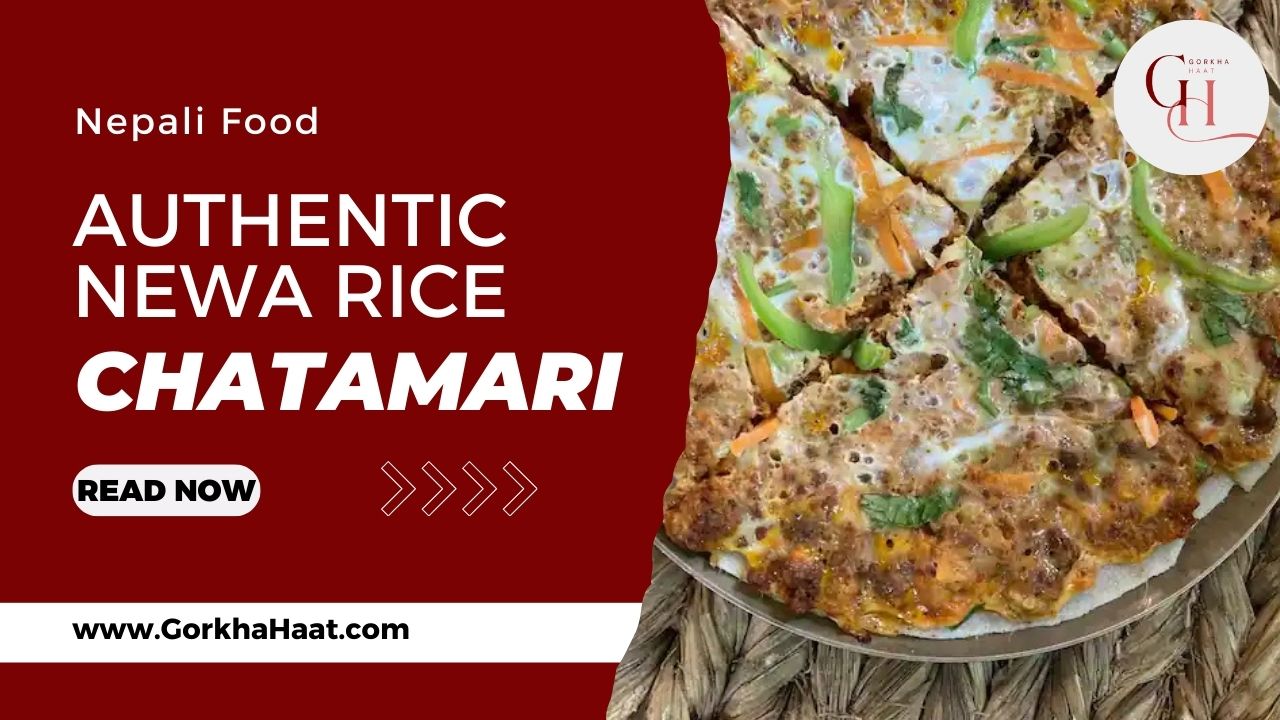
Chatamari: Darjeeling’s Crispy Newa Rice Crepe – The “Nepali Pizza” of the Hills
In the vibrant Newa neighborhoods of Kalimpong, the bustling haats of Darjeeling, and the cozy family kitchens tucked amid tea gardens in Kurseong and Mirik, the sizzle of a cast-iron pan signals something special: Chatamari is on the way.
Often called the “Newari Pizza” or “Nepali Pizza,” this thin, crispy rice-flour crepe topped with spiced minced meat, fresh vegetables, and a perfectly cooked egg is a beloved staple of the Newa (Newar) community in the hills.
At Gorkha Haat, our Newa vendors fire up their pans every evening, spreading the thin batter and layering on generous toppings as crowds gather for this affordable, flavorful treat. One bite—crunchy edges giving way to juicy fillings, all laced with ginger, garlic, and hill-grown chilies—and you’ll understand why Chatamari has become an iconic comfort food across Darjeeling’s diverse culinary landscape.
Origins and Cultural Roots of Chatamari
Chatamari (चतांमरि in Nepal Bhasa) hails from the ancient Newa civilization of the Kathmandu Valley, where it has been a cherished dish for centuries. The name derives from Newari words meaning “beautiful” or “delicious” crepe, reflecting its elegant, open-faced presentation. Traditionally prepared for festivals, family gatherings, and as part of the elaborate Samay Baji platter (a ceremonial Newa feast), Chatamari symbolizes hospitality, abundance, and community sharing.
Unlike Yomari (the sweet steamed dumpling central to Yomari Punhi), Chatamari is savory and versatile—eaten during everyday meals, special occasions like weddings, bratabandha (sacred thread ceremonies), and festivals such as Sithi Nakha or family pujas. Its thin rice base and customizable toppings made it ideal for the agrarian Newa lifestyle, using fresh harvests and simple ingredients.
The dish traveled to Darjeeling and Kalimpong with Newa traders, artisans, and families who migrated from the Kathmandu Valley in the 18th–19th centuries, settling in areas now known as “Newar Gaon” or near haats. Today, Darjeeling boasts one of the largest Newa communities outside Nepal, preserving authentic recipes while adapting to hill ingredients—like organic vegetables from local farms or free-range chicken.
Chatamari in Darjeeling, Kalimpong, and the Surrounding Hills
In Darjeeling’s Newa bastis and at Gorkha Haat, Chatamari is street food royalty. Vendors use heavy iron tawas (griddles) greased with a potato half for that perfect crisp, spreading the batter thin and topping it with minced buffalo (khasi ko masu) or chicken, onions, tomatoes, green chilies, coriander, and a cracked egg that cooks sunny-side up under a lid.
Kalimpong, with its strong Newa heritage, offers some of the most authentic versions—often in family-run spots like Newa Lahana-inspired eateries or during community events. Here, Chatamari might feature paneer for vegetarians or wild greens like sisnu (stinging nettle) for a foraged twist.
In Kurseong and Mirik, it's a homely affair: grandmothers prepare stacks for evening snacks, pairing them with masala tea against the misty backdrop. The hill climate influences the dish—spicier to warm the body, with timur (Sichuan pepper) adding a numbing kick unique to Himalayan flavors.
Chatamari bridges generations: elders insist on traditional minced buff toppings, while youth experiment with cheese or mushrooms. At Gorkha Haat, a plate costs ₹60–100, making it a democratic delight enjoyed by tea workers, tourists, and locals alike.
The Spread and Popularity Beyond the Hills
From its Kathmandu Valley roots, Chatamari has gained fame across Nepal as a street food staple in Thamel and Patan, often featured in Newa restaurants alongside bara and wo. Tourists flock to places like Bhaktapur for authentic versions during festivals.
In India, Darjeeling’s Newa diaspora has made it a regional icon, but its “pizza” nickname has propelled it further—now appearing in urban Nepali eateries in Delhi, Mumbai, and Bangalore. Social media and food blogs have amplified its appeal, with fusion versions adding cheese or Italian herbs. Yet, purists in the hills maintain: true Chatamari is simple, rice-based, and topped just right.
Authentic Darjeeling Newa-Style Chatamari Recipe (Makes 8–10 crepes)
Ingredients
For the Batter
2 cups rice flour (preferably fine, aromatic hill rice)
1½–2 cups water (adjust for thin, pourable consistency)
Pinch of salt
For Classic Minced Chicken/Keema Topping
400g minced chicken or buffalo
1 large onion, finely chopped
2 tomatoes, finely chopped
4–5 garlic cloves, minced
1-inch ginger, grated
2–3 green chilies, chopped
1 tsp cumin powder
½ tsp turmeric
½ tsp timur powder (optional, for hill zing)
Fresh coriander, chopped
Salt to taste
2 tbsp mustard oil
Additional Toppings
8–10 eggs (1 per Chatamari)
Grated cheese or paneer (optional modern twist)
Method
Prepare Batter: Mix rice flour, salt, and water into a smooth, thin batter (like dosa consistency). Rest 15–30 mins.
Cook Filling: Heat oil, sauté ginger-garlic, add minced meat and spices. Cook until dry and flavorful. Mix in onions, tomatoes, chilies, and coriander. Set aside.
Make Chatamari: Heat a flat tawa or non-stick pan. Grease with oil (traditionally using a potato half). Pour a ladle of batter, spread thin into a circle.
Add Toppings: Immediately spoon 2–3 tbsp filling, leaving center space. Crack an egg in the middle. Cover and cook on medium-low 4–6 mins until edges crisp and egg sets.
Serve: Fold or leave open, cut like pizza. Enjoy hot!
Pro Tips from Gorkha Haat Vendors
Use cast-iron for authentic crisp.
Batter too thick? Edges won't lace beautifully.
For veg: Use paneer, mushrooms, or black-eyed beans.
Plain version: Just sugar or ghee for kids.
Variations in the Hills
Keema & Egg: Classic non-veg favorite
Plain Veg: Onions, tomatoes, herbs
Cheese Chatamari: Tourist twist
Sisnu or Rayo Saag: Seasonal green topping
Sweet: Rare, with sugar or khuwa
Health Benefits
Gluten-free rice base
Protein-packed from meat/egg
Ginger-garlic boosts immunity
Light yet filling—perfect hill snack
Where to Taste the Best Chatamari in Darjeeling Hills
Gorkha Haat evening stalls
Newa eateries in Kalimpong (like near 10th Mile)
Homestays in Algarah or Pedong during festivals
Street vendors in Darjeeling's Chowk Bazaar
Conclusion
Chatamari is the crispy, savory heartbeat of Darjeeling’s Newa community—a dish that turns simple rice flour into a canvas for flavor, family, and tradition. From Kathmandu Valley feasts to misty hill evenings at Gorkha Haat, each golden crepe tells a story of migration, adaptation, and enduring heritage.
Next time you're in the hills, grab a hot Chatamari, let the egg yolk run, and savor the true taste of Newa warmth against the Himalayan breeze.
Gorkha Haat Team
We share stories of authentic Nepali heritage, food, culture, and local markets.
Related Posts
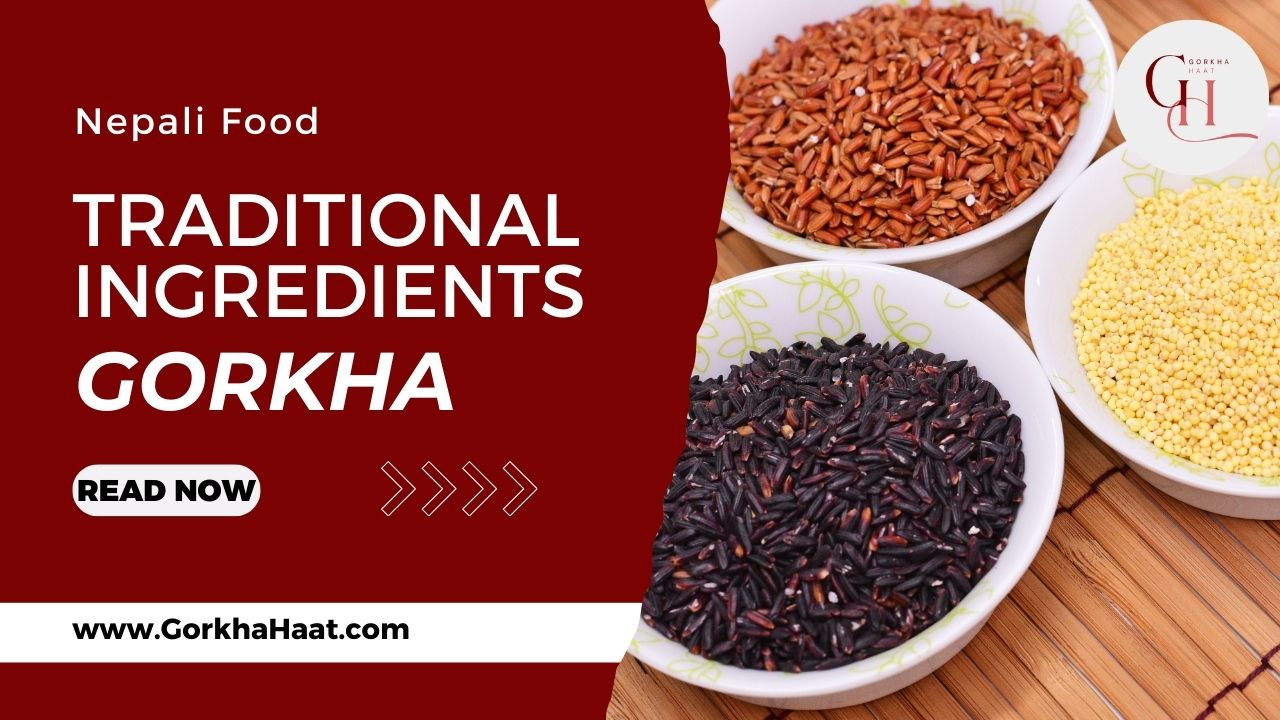
Traditional Ingredients of Gorkha Dishes: Staples, Spices & Ferments Nepal 2026
Explore traditional ingredients in Gorkha Nepali cuisine – millet for dhido, gundruk & sinki ferments, timur spice, mustard oil, kinema, and more. Cultural significance and tips from a Darjeeling Gorkha perspective!

Reviving the Gundri Bazaar: The Vibrant World of Gorkha Haat in Darjeeling, Queen of Hills
Gorkha Haat is more than a market—it's the soul of Darjeeling's Gorkha community, a bridge between past and present, tradition and innovation. Whether seeking authentic handicrafts like khukuri and Dhaka topi, savoring legendary momos, or immersing in cultural vibes, it offers an unforgettable experience.

Lhosar 2026 Darjeeling: Tamang, Gurung & Sherpa New Year Celebrations | Gorkha Haat
Lhosar, the Nepali New Year, is celebrated with rituals, prayers, traditional foods, and cultural performances. Discover the significance, customs, and celebrations of Lhosar across Nepalese communities.
Comments
User Name
This is an example comment. Users can leave feedback here.