Pride of Nepal: The Daura Suruwal – Timeless Traditional Attire of the Gorkhas in Darjeeling
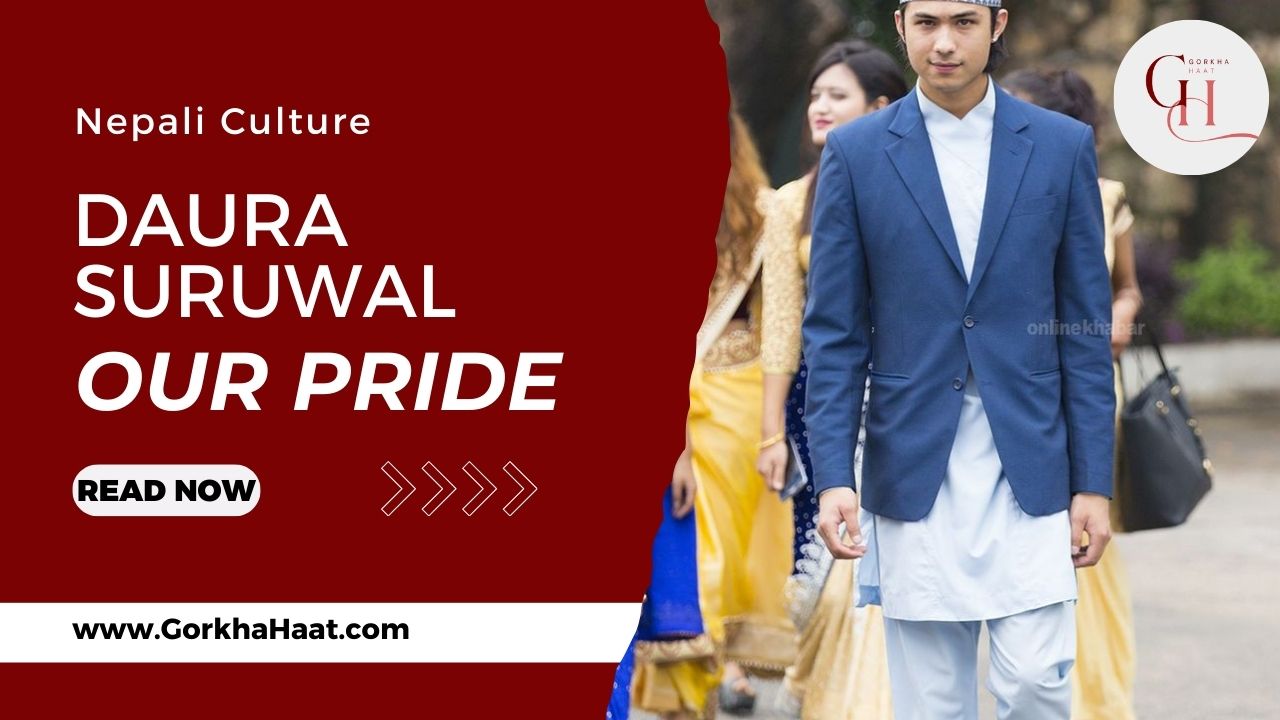
Hello, dear readers of Gorkha Haat! Rajesh Gurung here, bringing you warm greetings from the serene hills of Darjeeling on this crisp January day in 2026. As your passionate content writer for this blog that celebrates our shared Gorkha heritage—from the vibrant haats to the symbols that define us—I'm delighted to spotlight another cornerstone of our culture: the Daura Suruwal, the iconic traditional men's outfit of Nepal and the Gorkha people.
Paired perfectly with the Dhaka Topi we explored earlier, the Daura Suruwal is more than clothing—it's a statement of identity, elegance, and unbreakable spirit. For Gorkhas in Darjeeling, whether during festivals like Dashain, cultural programs, weddings, or simply as a mark of pride, this attire connects us to our ancestral homeland, our warrior legacy, and the unity forged by generations. In this in-depth guide (over 2000 words!), we'll uncover its history, unique design, cultural significance, how to wear it, and why it remains a cherished part of our lives. Let's honor this timeless ensemble together!
Historical Roots: From Ancient Attire to National Symbol
The Daura Suruwal has deep historical origins, evolving from ancient Himalayan clothing styles influenced by Indo-Aryan and indigenous traditions. The "Daura" (upper garment) and "Suruwal" (trousers) trace back centuries, with early forms seen in the Kirat and Lichchhavi periods of Nepal. However, it gained its modern standardized form during the Shah dynasty.
The outfit became a powerful symbol of national unity under King Mahendra in the 1960s. To promote a cohesive identity in diverse Nepal, he mandated Daura Suruwal with Dhaka Topi as the official national dress for men, especially for government officials, ceremonies, and official documents. This policy, part of broader nation-building efforts, made it synonymous with Nepali pride—much like how the Gorkha khukuri represents valor.
In the Gorkha context, the attire links directly to our warrior heritage. Gurkha soldiers, from the unification era under Prithvi Narayan Shah to British and Indian regiments, often wore variations of Daura Suruwal in ceremonial uniforms, blending tradition with military discipline. For Darjeeling Gorkhas, whose ancestors migrated for tea plantations, the Daura Suruwal was carried as a portable piece of home—worn at community gatherings, religious events, and to assert cultural identity amid colonial and post-colonial challenges.
Even today, in 2026, it endures despite modern fashion trends, celebrated on International Nepali Daura Suruwal Day and revived in fusion styles.
Here are some classic views of the full traditional Daura Suruwal ensemble:
This image captures a man in complete Daura Suruwal with Dhaka Topi, embodying the timeless Gorkha elegance.

Daura Saruwal Nepali Men's Traditional Dress 2020
Another vibrant example showing the colorful fabric and perfect fit.

Pin by Karun Shakya on Nepali Daura Suruwal Dhaka Topi
The Unique Design and Craftsmanship: What Makes It Special
The Daura Suruwal is ingeniously practical and symbolic. The Daura is a double-breasted shirt-like tunic that wraps around the body and fastens with ties (nagas) in a distinctive cross-over style—no buttons, ensuring it stays secure during movement. It features side slits for ease, long sleeves, and a stand-up collar. The fabric is often Dhaka cotton (matching the topi), silk, or brocade for special occasions.
The Suruwal are loose, tapered trousers tied at the waist with a drawstring (patuka) and narrowed at the ankles for comfort in hilly terrain. A Patuka (wide sash) cinches the waist, adding support and a place to tuck the khukuri.
The design is functional for the Himalayas—breathable, durable, and allowing free movement for farming, fighting, or dancing. Symbolically, the cross ties represent unity and protection, while the knot embodies harmony.
Close-up details highlight the intricate fastening:
This detailed view shows the cross ties and knot of the Daura—pure craftsmanship!

National Dress Of Nepal: Daura Suruwal
Another angle revealing the side ties and fabric texture.
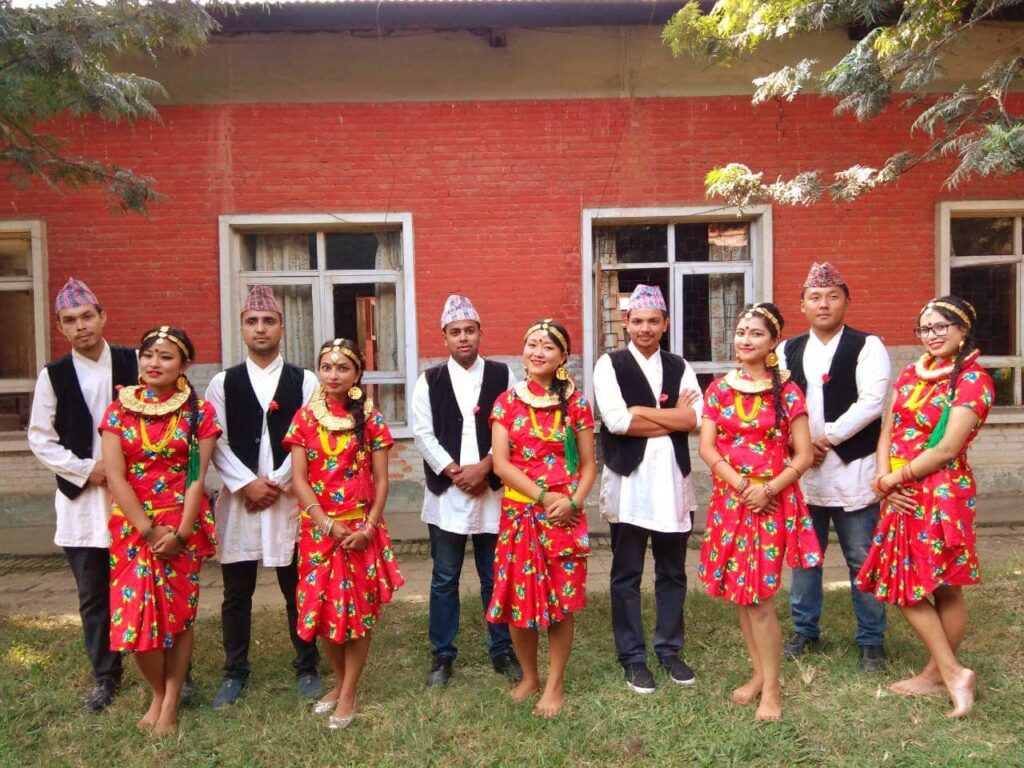
How To Wear Nepali Dress: A Comprehensive Guide
Cultural and Symbolic Significance: A Badge of Gorkha Pride
For Gorkhas, the Daura Suruwal symbolizes resilience, humility, and national pride. It's worn at weddings (often in luxurious brocade), Dashain tika ceremonies, cultural festivals, and official events. In Darjeeling, it's essential for Bhanu Jayanti celebrations, Gorkha cultural shows, and haats—reminding us of our shared roots.
The outfit promotes values like discipline (from its military associations) and respect (worn to bow in greeting). In the diaspora, it helps preserve identity, with many families keeping heirloom sets.
Even as modern suits gain popularity, the Daura Suruwal remains vital for cultural authenticity.
Historical glimpses show royalty and leaders in the attire:
A classic historical image of Nepali leaders in Daura Suruwal.
Daura and Suruwal: Their history & journey
How to Wear Daura Suruwal: Step-by-Step Guide
Put on the Suruwal, tie the waist drawstring.
Wrap the Patuka around the waist.
Slip into the Daura, cross the flaps right over left.
Tie the four strings securely in a cross pattern.
Add the Dhaka Topi and, optionally, khukuri.
Finish with shoes (often traditional Nepali ones).
Pro tips: Ensure a snug fit; practice the ties for smooth fastening.
Modern fusion looks blend tradition with contemporary style:
A stylish contemporary take on Daura Suruwal.

The Daura Suruwal in Darjeeling: Our Local Connection
In Darjeeling, tailors craft authentic versions using local fabrics, often in vibrant colors reflecting the hills. We wear it proudly at community events, and it's a top seller at Gorkha Haat stalls. Many families have generational sets, symbolizing continuity.
Caring for and Where to Buy Your Daura Suruwal
Handwash in cold water, air dry flat. Store folded to preserve shape.
Shop at Darjeeling's Chowk Bazaar, Gorkha Haat, or online from Nepali artisans. Prices vary from everyday cotton sets to premium silk.
Personal Reflections: Why Daura Suruwal Resonates with Me
Wearing Daura Suruwal feels like donning my heritage—the strength of Gorkha warriors, the warmth of family gatherings, the pride of our hills. It's a reminder that our culture thrives through us.
Conclusion: Wear Your Heritage with Honor
The Daura Suruwal is the soul of Gorkha manhood—elegant, practical, and profoundly meaningful. For us in Darjeeling, it's a bridge to Nepal, a celebration of identity, and a promise of enduring pride.
Head to Gorkha Haat to find your perfect set—wear it boldly! Namaste from the misty mountains.
Gorkha Haat Team
We share stories of authentic Nepali heritage, food, culture, and local markets.
Related Posts
Sel Roti Recipe: Authentic Darjeeling-Style Nepali Rice Doughnut for Dashain & Teej | Gorkha Haat
Sel Roti is a traditional Nepali rice doughnut enjoyed during festivals like Dashain, Tihar, and Maghe Sankranti. Learn about its origins, preparation, cultural significance, and modern variations.
Newari Food Yomari Punhi 2025 Darjeeling: Authentic Newa Sweet Dumpling Recipe & Festival | Gorkha Haat
Yomari is a traditional Newa steamed dumpling filled with chaku, sesame, or khuwa. Celebrated especially during Yomari Punhi, it symbolizes prosperity, good harvest, and cultural heritage. Discover its history, preparation, variations, and cultural significance.
Pashupatinath Temple: History, Spiritual Significance & Complete Guide (2026)
Pashupatinath Temple is Nepal’s most sacred Shiva shrine, known for its ancient architecture, spiritual energy, and centuries-old rituals. Located by the Bagmati River, this UNESCO World Heritage Site remains a powerful center for Hindu devotion, culture, and traditional ceremonies.
Comments
User Name
This is an example comment. Users can leave feedback here.