Gorkha Khukuri Kukri: History, Types & Significance in Darjeeling 2026
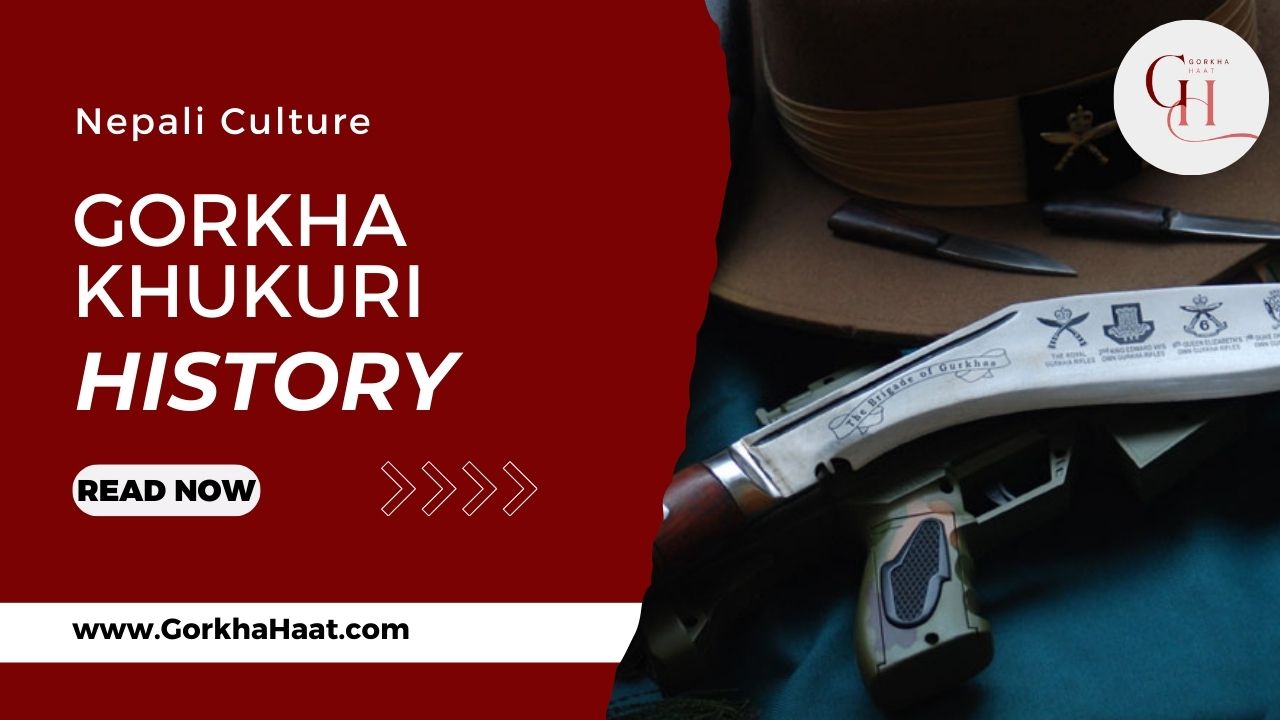
The Legendary Gorkha Khukuri: Symbol of Valor, Craftsmanship, and Unyielding Gorkha Spirit in Darjeeling
Hello, cherished readers of Gorkha Haat! Rajesh Gurung here, writing from the misty, invigorating hills of Darjeeling on this cool January evening in 2026. As your devoted content writer for this blog that honors our Gorkha roots—from bustling haats and traditional attire to the icons that define our identity—today we turn to the most revered symbol of all: the Gorkha Khukuri (also spelled Kukri).
This curved blade isn't merely a knife; it's a living emblem of courage, utility, and cultural pride. For generations of Gorkhas in Darjeeling and beyond, the khukuri has been carried with honor—by soldiers in battle, farmers in the fields, and families in ceremonies. Its distinctive shape, legendary sharpness, and unbreakable bond with the Gurkha warrior have made it world-famous. In this comprehensive guide (over 2000 words!), we'll explore its history, design, types, cultural significance, and how it remains a cherished part of life in our Darjeeling community. Let's delve into the soul of the khukuri!
Historical Legacy: From Ancient Tool to Global Legend
The khukuri's origins trace back thousands of years in the Himalayan region, with early curved blades used by tribes like the Kirats and Magars for hunting, farming, and defense. The modern form evolved in the Gorkha region during the 18th century under Prithvi Narayan Shah, as Gorkha forces unified Nepal.
Its global fame exploded during the Anglo-Nepalese War (1814–1816), where British officers were awestruck by Gurkha soldiers' ferocity and the khukuri's effectiveness in close combat. Impressed, the British began recruiting Gurkhas in 1815, and the khukuri became standard issue in regiments. Legends abound: tales of a single khukuri strike severing limbs, or Gurkhas charging with the cry "Ayo Gorkhali!" while brandishing the blade.
In both World Wars, the khukuri earned its fearsome reputation—earning Victoria Crosses and inspiring fear in enemies. Today, it's carried by British, Indian, and Singapore Gurkha units, symbolizing loyalty and prowess.
For Darjeeling Gorkhas, whose families often served in these regiments, the khukuri is deeply personal. Many homes display heirloom blades, and it's worn during cultural events as a mark of heritage.
Here are powerful images of Gurkha soldiers with their khukuri, capturing the warrior spirit:
This historic photo shows a Gurkha soldier in action, khukuri at the ready.

The British Army Kukri: An artifact of western orientalism or the ...
A modern Gurkha proudly holding his official khukuri.
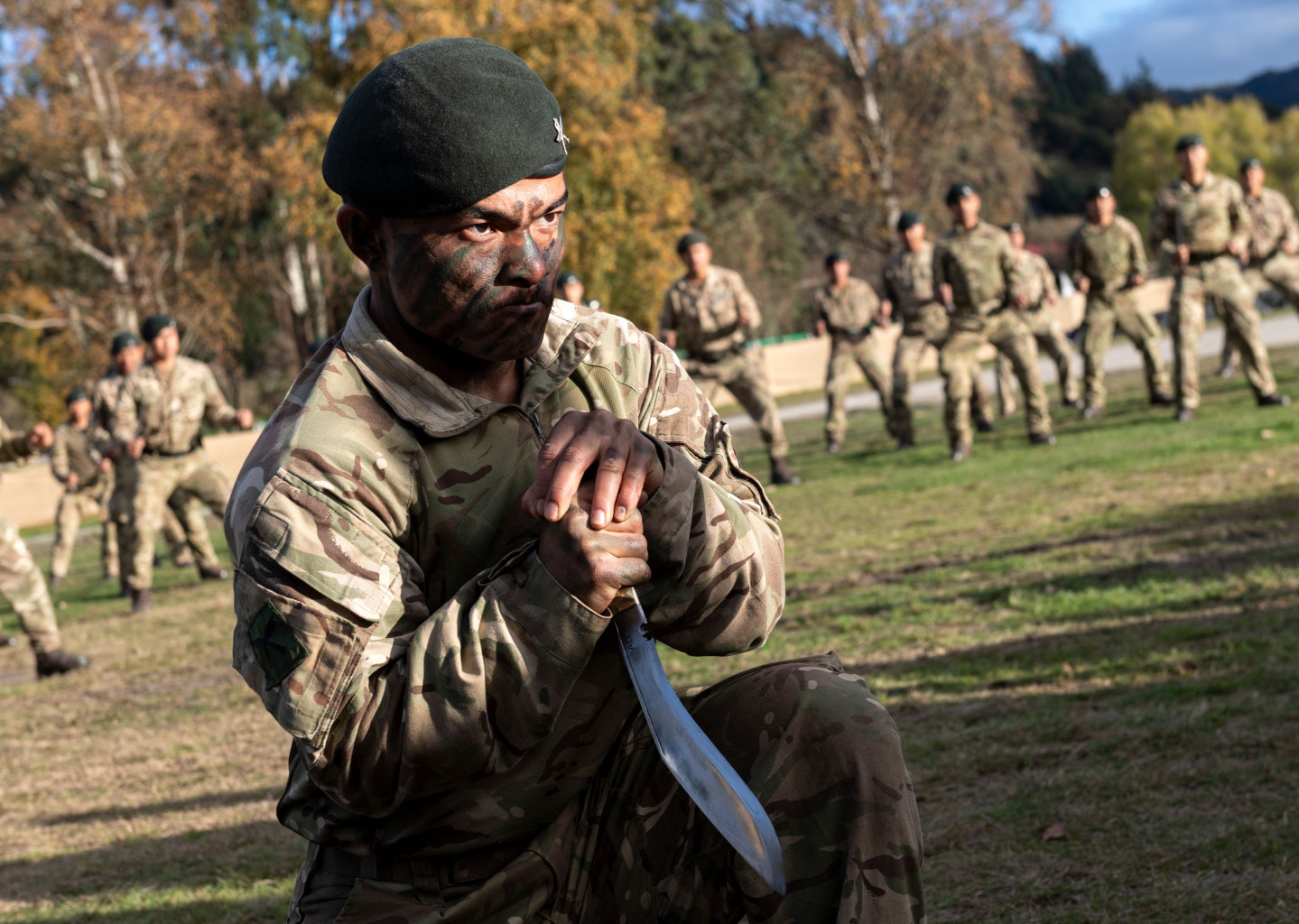
Military Khukuri and Kukri – Authentic Gurkha Blades
Design and Craftsmanship: Anatomy of the Iconic Blade
The khukuri's signature inward curve (like a hawk's beak) provides chopping power while allowing precise cuts. Key parts include:
Blade: High-carbon steel, hand-forged for sharpness and durability. Lengths vary from 6–18 inches.
Cho (notch): Near the handle, it prevents blood from running onto the grip and symbolizes the goddess Kali.
Handle: Wood (often buffalo horn or rosewood), riveted for grip.
Sheath (Dap): Wood with leather/metal fittings, often with karda (small knife) and chakmak (sharpening steel).
Artisans in villages like Bhojpur and Dhankuta hand-forge each blade, tempering it in oil for strength. Decorative versions feature dragon, peacock, or eagle carvings—true works of art.
These exquisite examples showcase ornate handles and sheaths:
A stunning dragon-carved khukuri with intricate details.
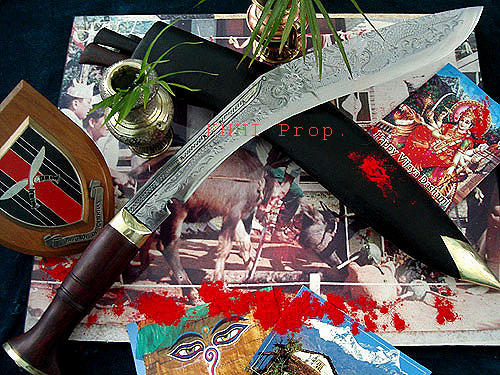
18inch Wooden Dragon Kukri | Hand Carved Ceremonial Khukuri | KHHI
Peacock-themed ceremonial khukuri, hand-forged beauty.
Types of Khukuri: From Battlefield to Everyday Use
Khukuris vary by purpose:
Sirupate: Slender, lightweight for utility and quick strikes.
Panawal: Broad blade for heavy chopping.
Budhune: Short, stout for close work.
Military Issue: Standard for Gurkha regiments.
Ceremonial: Ornate with carvings for display.
Here are various types side by side:
A collection highlighting different blade profiles and styles.

Traditional Kukris | Hand-Forged Khukuris from Nepal
Sirupate khukuri in action—elegant and efficient.
Traditional Kukris | Hand-Forged Khukuris from Nepal
Cultural and Symbolic Significance: More Than a Weapon
The khukuri represents courage ("Kaphar hunnu bhanda marnu ramro" – Better to die than be a coward), utility (used for everything from cooking to building), and protection (believed to ward off evil). In rituals, it's used in Dashain sacrifices, weddings, and housewarmings.
In Darjeeling, it's displayed at haats, worn with Daura Suruwal during festivals, and gifted to mark milestones. It embodies our warrior ethos while serving practical daily needs.
Decorative displays add elegance to any home:
Beautifully sheathed khukuri on wooden stand.
The Khukuri in Darjeeling: Our Local Connection
In Darjeeling, khukuris are crafted locally or imported from Nepal. We wear them proudly at cultural programs, and they're top sellers at Gorkha Haat—authentic pieces for collectors and daily use.
Caring for Your Khukuri and Where to Buy
Clean with oil after use, sharpen with chakmak. Store in sheath.
Shop at Darjeeling's Chowk Bazaar, Gorkha Haat, or trusted Nepali makers. Prices range from functional to premium ceremonial.
Personal Reflections: The Khukuri's Place in My Heart
For me, the khukuri is a tangible link to ancestors—its weight reminds me of their sacrifices, its curve of their ingenuity. It inspires resilience in our daily lives.
Conclusion: Carry the Spirit of the Gorkha Khukuri
The Gorkha Khukuri is the ultimate symbol of our heritage—fierce yet practical, legendary yet everyday. For Darjeeling Gorkhas, it's a source of pride and identity.
Visit Gorkha Haat to find your own—wield it with honor! Namaste from the hills.
Gorkha Haat Team
We share stories of authentic Nepali heritage, food, culture, and local markets.
Related Posts
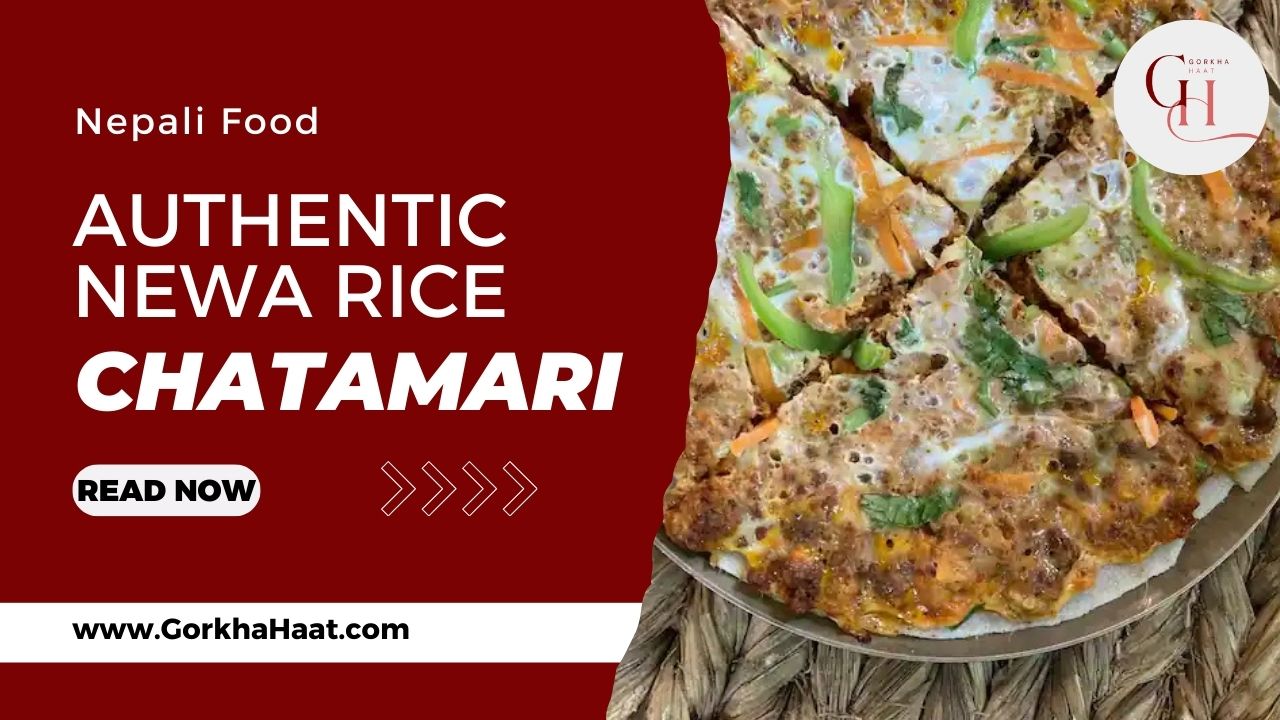
Chatamari Recipe: Authentic Newa Rice Crepe “Nepali Pizza” from Darjeeling & Kalimpong | Gorkha Haat
Discover Chatamari—the crispy Newari rice crepe topped with meat, egg & spices. Explore origins, traditional recipe, cultural role in Darjeeling's Newa community, and best spots at Gorkha Haat.
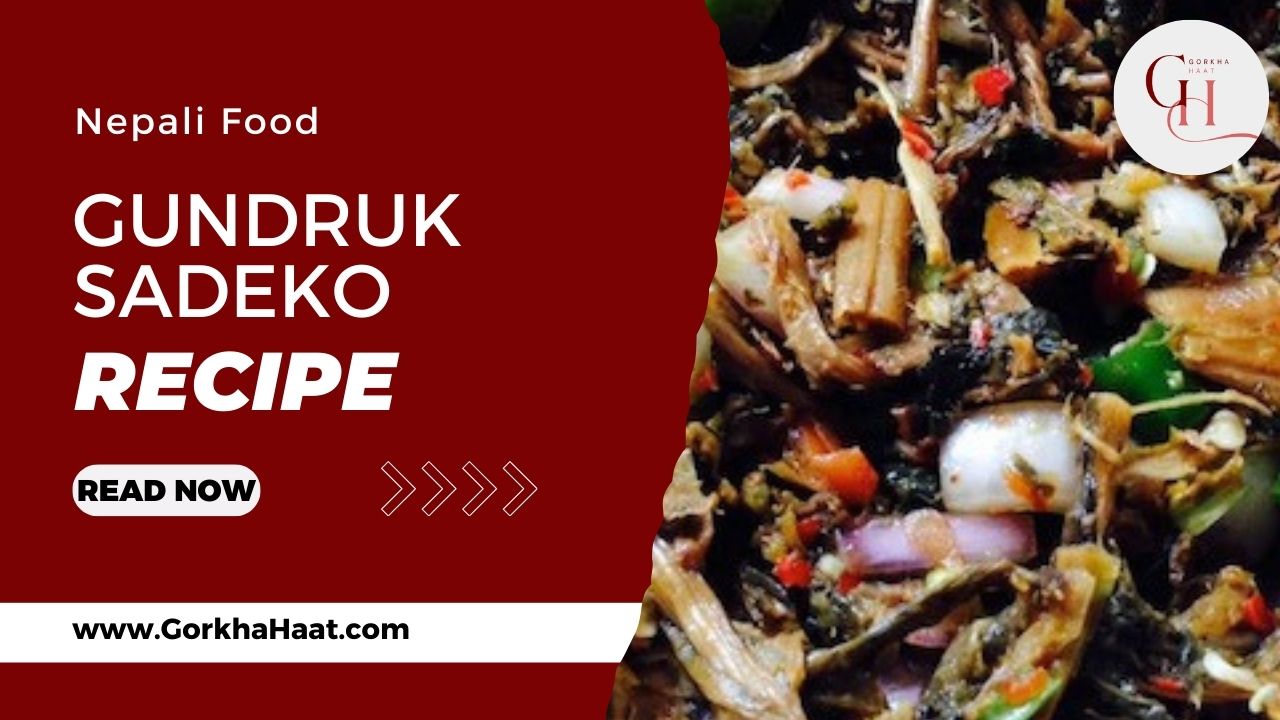
Gundruk Sadeko Recipe: Tangy Fermented Greens Salad from Darjeeling Hills | Gorkha Haat
Discover Gundruk Sadeko—the probiotic-rich, tangy fermented leafy greens salad of Darjeeling & Kalimpong. Authentic recipe, health benefits, cultural roots, and traditional preparation at Gorkha Haat.
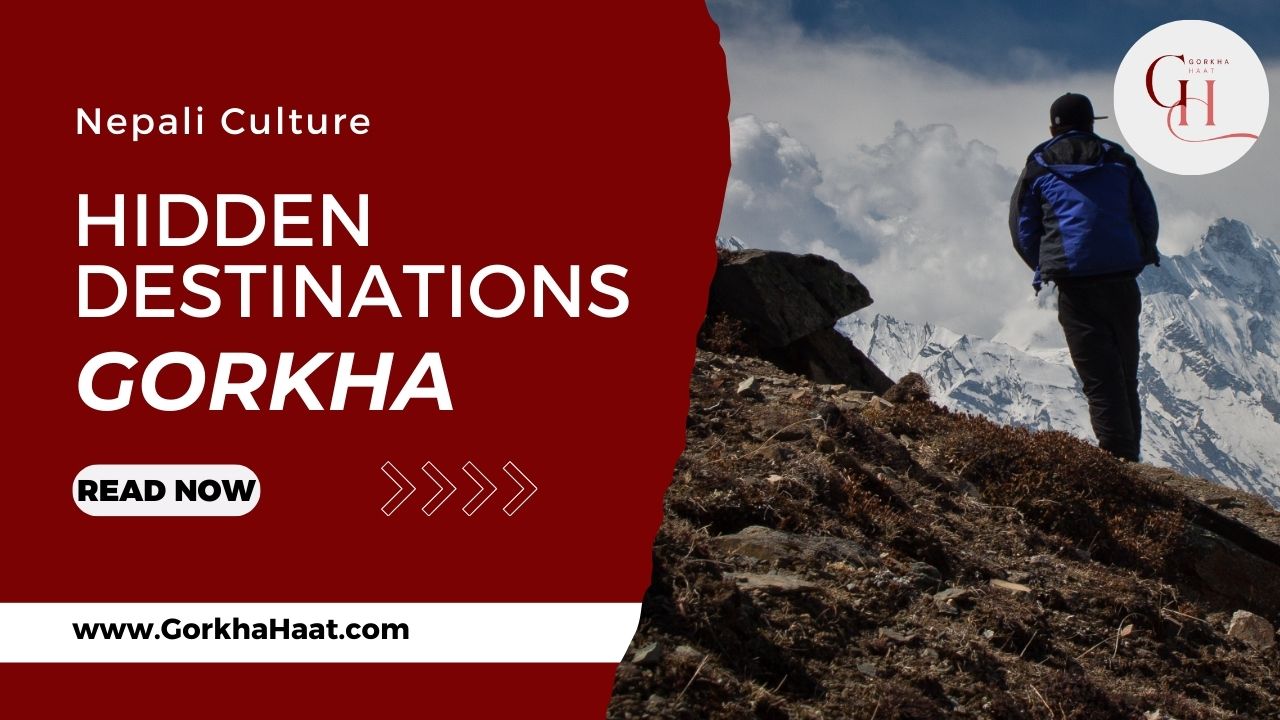
Hidden Destinations Inside Gorkha: Hidden Gems in Nepal
Uncover the hidden treasures of Gorkha District, Nepal—from Tsum Valley's spiritual sanctuaries and Nubri's remote villages to Rupina La Pass and serene lakes. Explore lesser-known spots with rich Gorkha history and natural beauty in this original guide from Darjeeling.
Comments
User Name
This is an example comment. Users can leave feedback here.