Rare Nepali Ethnic Foods: Yangben, Sargemba, Ghonghi & More Delicacies 2026
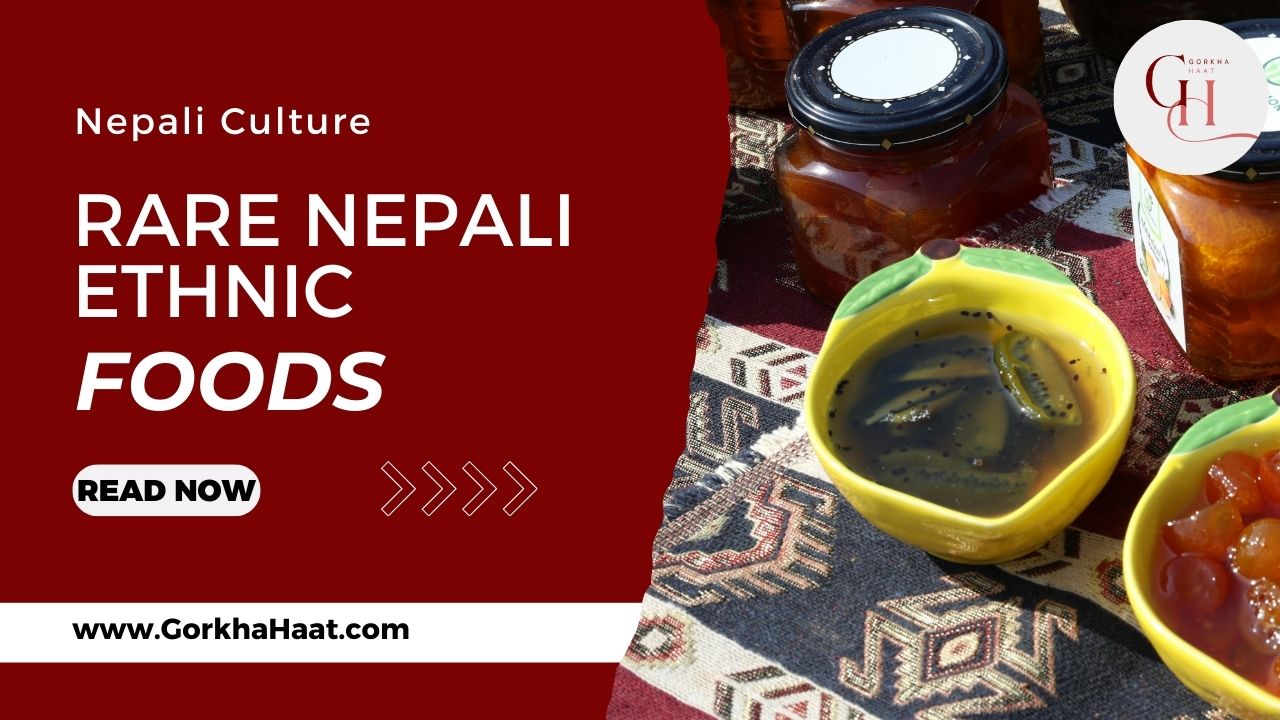
Rare Nepali Ethnic Foods: Unearthing Forgotten Delicacies from Gorkha's Diverse Communities – A Darjeeling Gorkha Journey
Hello, dear readers of Gorkha Haat! Rajesh Gurung here, sending heartfelt greetings from the misty, tea-laden hills of Darjeeling on this chilly January evening in 2026. As your dedicated content writer for this blog that honors our shared Gorkha heritage—from the fierce khukuri and vibrant Dhaka weaving to tangy salads and festive rituals—today I'm taking you on a rare and flavorful expedition into rare Nepali ethnic foods.
While dal bhat, momos, and sel roti grace most tables, Nepal's ethnic mosaic hides lesser-known treasures—dishes born from specific communities like Magar, Gurung, Rai, Limbu, Tharu, and others. These foods use wild foraged ingredients, ancient fermentation techniques, and local ingenuity to create unique, nutrient-rich delicacies often prepared only during festivals or in remote villages. For us in Darjeeling, whose ancestors carried these recipes across borders during migrations, tasting or cooking them feels like reclaiming lost family stories—smoky, pungent, earthy flavors that whisper of hill resilience and cultural depth.
In this immersive guide (over 2000 words!), we'll spotlight these rare gems, their origins, simple home-style preparations, and why they matter to Gorkhas everywhere. Whether you're adventurous in the kitchen or planning a heritage trip, let's savor these hidden culinary jewels together!
Learn more about:
Darjeeling Salad & Nepali Salads
The Heart of Rare Ethnic Foods: Foraged, Fermented, and Festive
Nepal's ethnic foods shine in their use of hyper-local ingredients—wild lichens, fermented soybeans, blood sausages, river snails, and seasonal wild greens. These aren't everyday fare; many are tied to rituals, seasons, or scarcity, making them truly rare today amid urbanization.
Communities like Rai and Limbu in eastern hills, Magar and Gurung in central/western regions, Tharu in the Terai, and others preserve these through oral traditions. In Darjeeling, we occasionally recreate them at family gatherings or haats, using imported kinema or foraged sisnu—keeping the flame alive.
These dishes are nutritious: high in probiotics, proteins from unusual sources, and vitamins from wild plants—sustainable eating at its best.
A rustic spread of rare ethnic delicacies—yangben, kinema, and more—pure hill heritage.
Yangben-Faksa: Pork Curry with Reindeer Moss – Rai & Limbu Specialty
One of the rarest: yangben-faksa, a pork curry thickened with yangben (edible reindeer moss/lichen, Parmotrema perlatum). Foraged from high-altitude trees in eastern Nepal, yangben adds earthy, slightly bitter depth and thickens naturally.
Ingredients (serves 4-6):
500g pork (with fat for richness)
1 cup dried yangben (soaked and cleaned)
Pig's blood (optional, for authentic thickening)
Onions, garlic, ginger, green chilies
Spices: cumin, turmeric, timur (Sichuan pepper)
Salt, mustard oil
Method:
Fry pork in mustard oil until browned.
Add onions, garlic, ginger, chilies; cook to golden.
Stir in soaked yangben and blood (if using); simmer with spices.
Add water; slow-cook until thick and flavorful.
Served during festivals like Sakela, it's smoky, umami-rich—rare outside Rai/Limbu homes. In Darjeeling, we substitute local moss or skip blood for milder versions.
Yangben-faksa curry—earthy lichen magic with pork.
Close-up of yangben (reindeer moss)—foraged Himalayan treasure.
Sargemba: Blood Sausage – A Limbu & Rai Festival Rarity
Sargemba is a blood sausage made from pig's blood, yangben, rice, spices, stuffed into intestines—prepared only during major festivals when pigs are sacrificed.
Ingredients:
Pig blood (fresh)
Cooked rice
Yangben (chopped)
Spices: ginger, garlic, cumin, chili
Pig intestines (cleaned)
Method:
Mix blood with rice, yangben, spices; stuff into casings; boil or steam, then fry slices.
Rare and bold—nutrient-dense, iron-rich—it's a delicacy symbolizing abundance. Darjeeling families sometimes make milder versions with offal.
Sargemba slices—traditional blood sausage delicacy.
Ghonghi: Tharu Escargots – River Snail Delicacy from the Terai
In the Terai, Tharu communities savor ghonghi—river snails boiled, spiced, and eaten like escargots. A protein source from rivers, it's a delicacy akin to chicken.
Ingredients:
Fresh river snails (cleaned)
Onions, garlic, ginger, turmeric
Chilies, coriander
Mustard oil
Method:
Boil snails; sauté with spices; serve with rice.
Smoky, chewy—eaten during festivals or as snack. Rare outside Tharu regions; in Darjeeling, similar snail dishes appear occasionally.
Tharu ghonghi—river snails spiced to perfection.
Batuk & Other Magar Rarities: Deep-Fried Lentil Patties
Batuk (or bara from ricebean/black lentil) is deep-fried patties—essential for Magar festivals and marriages.
Ingredients:
Black lentils or ricebeans (soaked, ground)
Ginger, garlic, cumin, chilies
Oil for frying
Method:
Grind paste; shape patties; deep-fry golden.
Crispy outside, soft inside—served with raksi or curry. Other Magar rarities include phapar roti (buckwheat flatbread) and sisnu jhol (nettle soup).
Crispy Magar batuk patties—festive delight.
Kinema Variations: Fermented Soybean Curries – Eastern Hills Gem
Kinema (fermented soybeans) is pungent, umami-rich—used in curries or achar.
Kinema ko jhol (soup/curry): Kinema with potatoes, onions, spices; tempered mustard oil.
Rare due to strong smell—but addictive once tried. In Darjeeling, kinema achar is a haat favorite.
Pungent kinema curry—fermented soybean soul food.
Other Rare Ethnic Treasures
Wachipa (Rai/Limbu chicken dish with herbs)
Sisnu Jhol (nettle soup—Gurung/Magar winter warmer)
Dhikri (Tharu rice/lentil steamed rolls for Jitiya festival)
Arikanchan (Tharu/Maithil taro leaf-wrapped lentil paste, steamed & fried)
Sargemba variations and yangben in multiple forms
These highlight Nepal's biodiversity—wild plants, fermentation, nose-to-tail eating.
Nettle soup sisnu jhol—wild green winter comfort.
Tharu dhikri—steamed lentil-rice rolls.
Cultural Significance & Tips for Trying Rare Foods
These dishes tie to rituals—yangben/sargemba for festivals, ghonghi for Tharu abundance. They preserve biodiversity and health (probiotics, wild nutrients).
Tips:
Source kinema/yangben from Nepali stores or online.
Start mild—ferments are strong!
Visit ethnic homestays in Nepal for authentic prep.
In Darjeeling: Haats or family cooks for kinema/sisnu.
Personal Reflections: Rare Foods That Bind Us
These rarities transport me to stories elders shared—yangben from high forests, sargemba at sacrifices. In Darjeeling, recreating them feels like bridging generations, keeping our Gorkha spirit alive.
Conclusion: Taste the Rare Side of Gorkha Heritage
Rare Nepali ethnic foods—yangben-faksa, sargemba, ghonghi, batuk, kinema—reveal Nepal's profound diversity. They nourish body and soul, connecting us to land and ancestors.
Seek them out—cook, share, savor! Visit Gorkha Haat for more inspiration. Namaste from Darjeeling's hills!

Gorkha Haat Team
We share stories of authentic Nepali heritage, food, culture, and local markets.
Related Posts
Hidden Culinary Treasures of Gorkha Nepal: Authentic Hill Foods & Recipes 2026
Discover the hidden culinary gems of Gorkha district, Nepal – dhido, gundruk, batuk, kinema, sukuti, and more. Explore authentic Gorkha hill cuisine, ethnic Magar & Gurung flavors, and tips from a Darjeeling Gorkha perspective. Perfect for food lovers and travelers!
Momo in Darjeeling: History, Recipes & Cultural Spread Across Hills, Nepal & India | Gorkha Haat
Explore Momo's origins from Tibet to Darjeeling, Kurseong, Kalimpong & Sikkim—now famous across India. Discover traditional recipes, variations, and cultural significance at Gorkha Haat.
Nepali Food Dhindo Recipe: Authentic Darjeeling Himalayan Staple Food with Gundruk & Sisnu | Gorkha Haat
Dhindo is a traditional Nepali staple made from buckwheat, millet, or maize flour. Rich in history, nutrition, and cultural significance, it remains one of Nepal’s most beloved Himalayan foods. Learn its origins, preparation, benefits, and why it continues to be a national favorite.
Comments
User Name
This is an example comment. Users can leave feedback here.