Thakali Thali in Darjeeling: Authentic Himalayan Meal Set with Dhindo & Gundruk | Gorkha Haat
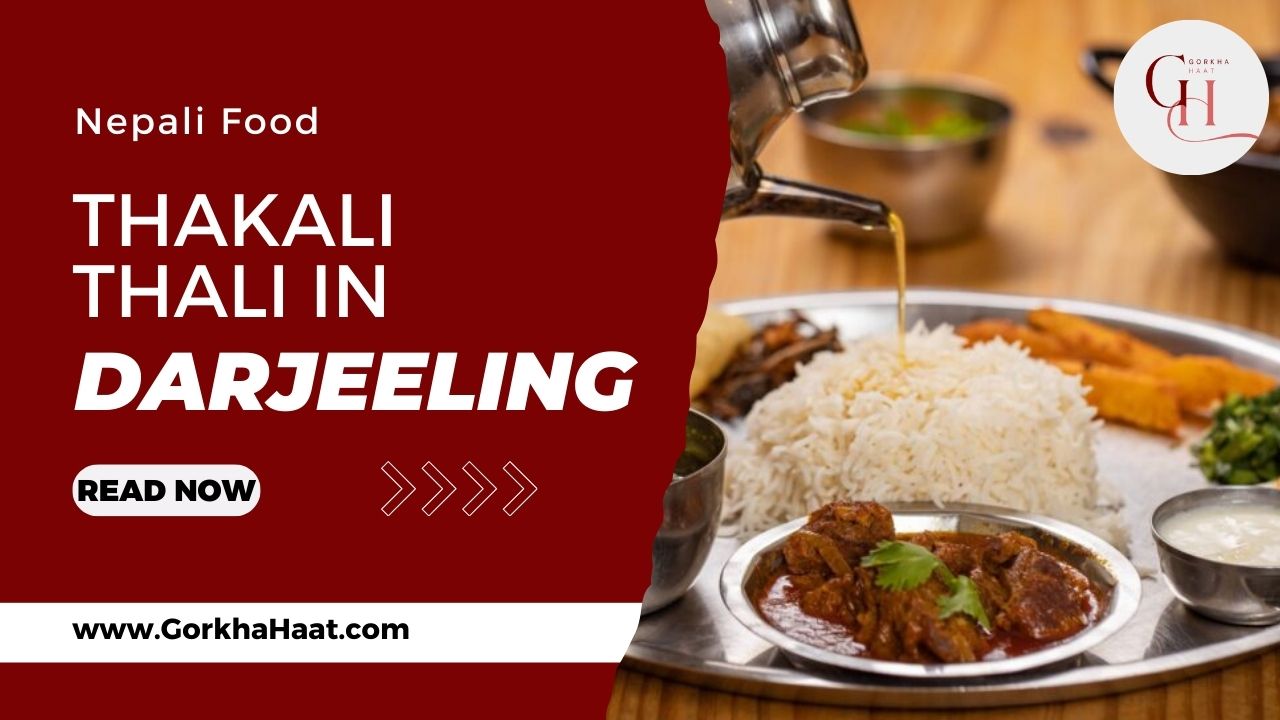
Thakali Thali: Darjeeling’s Hearty Himalayan Feast – The Soul-Warming Meal of the Hills
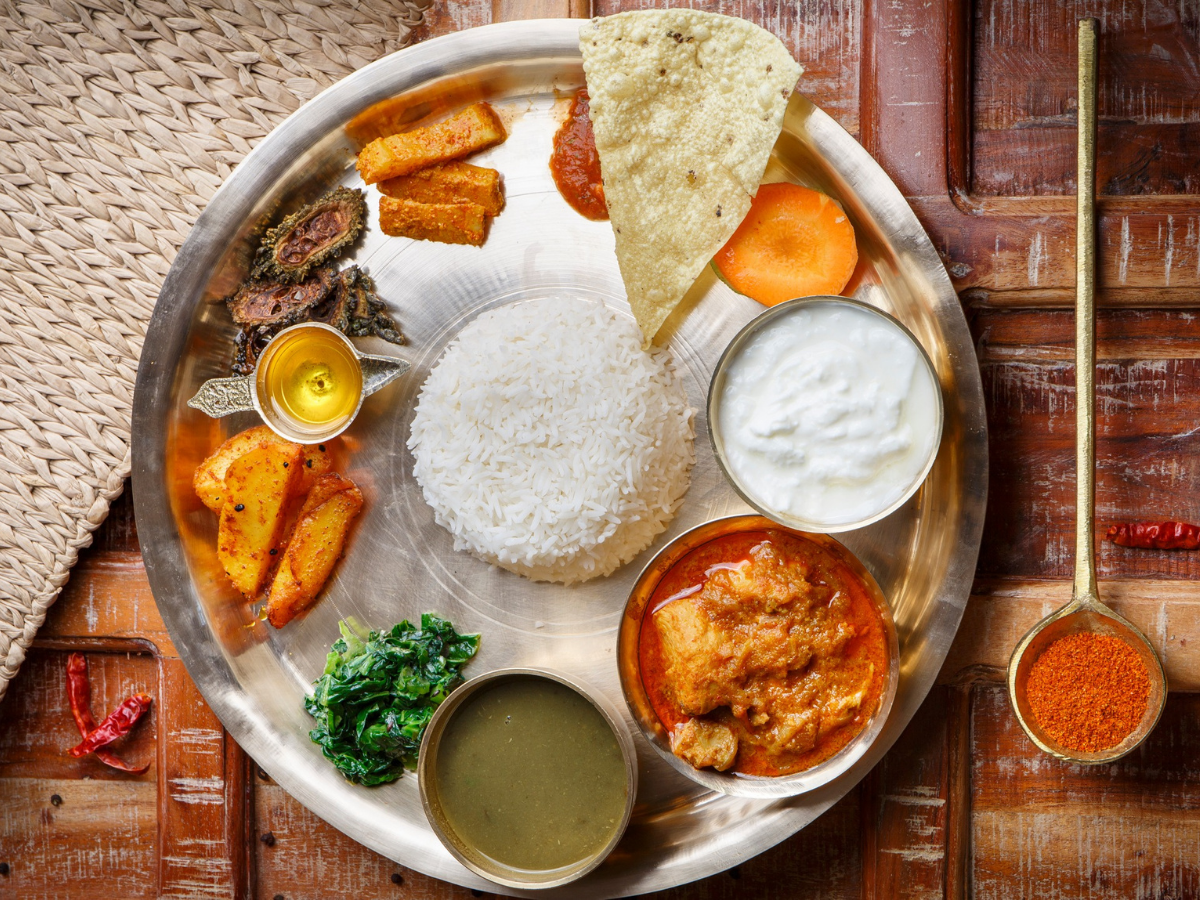
When the winter winds sweep through Darjeeling’s tea estates and the misty evenings settle over Gorkha Haat, nothing comforts like a steaming Thakali Thali. This generous platter—bursting with flavors from the high Mustang region—brings together buckwheat Dhindo, rich dal, spicy tarkari, tangy Gundruk, succulent meat curries, and fiery pickles on one brass or steel plate.
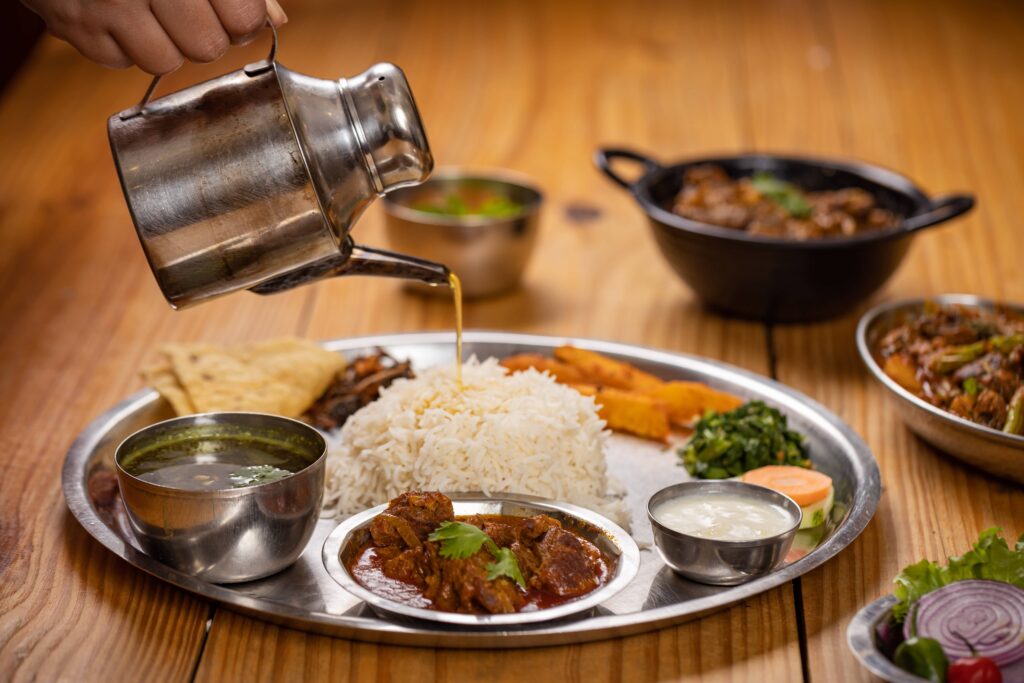
At Gorkha Haat, Thakali eateries draw crowds of locals, tea workers, and travelers seeking the ultimate hill comfort food. One look at the colorful array—golden Dhindo dome beside glossy black dal, vibrant greens, and sizzling goat curry—and you know you're in for a meal that fuels body and spirit against the Himalayan cold.
Origins and Cultural Roots of Thakali Thali
The Thakali people, an ethnic group from Nepal's Thak Khola valley in the Mustang district along the ancient salt trade route between Tibet and India, created Thakali Thali. Their cuisine blended Tibetan influences (buckwheat, dried meats, butter) with Nepali staples (dal, rice, spices), forming a balanced, nourishing meal suited to high-altitude life.
Thakalis, known as savvy traders, carried their recipes along caravan paths. When many migrated to warmer hills like Pokhara and later to Darjeeling, Kurseong, and Kalimpong in the 20th century, they opened lodges and restaurants serving "Thakali Khana Set." Today, in Darjeeling's diverse Gorkha-Nepali tapestry, Thakali Thali stands as a celebrated regional specialty—distinct from everyday Dal Bhat yet sharing its "power 24 hour" reputation.
Thakali Thali in Darjeeling and the Surrounding Hills
Darjeeling's Thakali community runs iconic spots where the thali shines. Often featuring fapar ko Dhindo (buckwheat porridge) instead of rice, it suits the cool climate perfectly—warming, gluten-free, and sustaining.
A standard Darjeeling Thakali Thali includes:
Dhindo or steamed rice
Black dal (kalo dal) simmered with jimbu (Himalayan herb)
Goat or chicken curry (spicy, bone-in)
Seasonal tarkari (vegetable curry, like potato-cauliflower)
Gundruk ko jhol or sadeko
Achar (pickles—timur, radish, chili)
Sisnu or saag
Yogurt or curd
Occasionally sukuti (dried meat)
In Kalimpong and Kurseong, versions lean more authentic with yak butter or wild herbs. At Gorkha Haat, a full non-veg thali costs ₹200–350, with unlimited refills—a hallmark of Thakali hospitality.
The Spread and Popularity Beyond the Hills
In Nepal, Thakali Khana Set is a national treasure—trekkers on the Annapurna Circuit rave about it in Jomsom and Marpha. Pokhara and Kathmandu boast chains like "Thakali Kitchen," standardizing the thali while keeping regional twists.
In India, Darjeeling introduced it to the masses. Now, urban Nepali restaurants in Delhi, Mumbai, and Bangalore serve it, often with modern touches like paneer for vegetarians. Social media has boosted its fame as a "healthy Himalayan super meal," drawing foodies seeking gluten-free, probiotic-rich options.
Key Components of an Authentic Thakali Thali (With Simple Home Tips)
Dhindo — Buckwheat or millet porridge; stir flour into boiling water for thick consistency.
Kalo Dal — Black lentils cooked with jimbu, garlic, and ginger.
Masu (Meat Curry) — Goat or chicken slow-cooked with tomatoes, cumin, and timur.
Tarkari — Mixed vegetables in light gravy.
Gundruk/Sisnu — Fermented greens soup or stir-fry.
Achar — Spicy pickles with Sichuan pepper.
Dahi — Fresh yogurt to cool the palate.
Pro Tip: Use jimbu (available at Gorkha Haat) for that unmistakable aroma—it's the secret signature!
Health Benefits: Why Thakali Thali Fuels the Himalayas
Buckwheat Dhindo → Gluten-free, high-fiber, heart-healthy
Fermented Gundruk → Probiotic for gut health
Spices like timur → Anti-inflammatory, digestive aid
Balanced macros → Protein from dal/meat, carbs from Dhindo, vitamins from greens
Warming & sustaining → Ideal for cold climates and active lifestyles
No wonder trekkers and porters swear by it for endless energy.
Where to Taste the Best Thakali Thali in Darjeeling Hills
Gorkha Haat Thakali stalls (affordable and authentic)
Dedicated spots in Kalimpong (like near the haat)
Highway eateries in Kurseong and Peshok
Homestays in Takdah or Tinchuley for homemade versions
Conclusion
Thakali Thali is more than a meal—it's a warm embrace from the Himalayas, a plate that tells stories of ancient trade routes, resilient communities, and flavors forged in high-altitude hearths. From Mustang's windswept valleys to the misty tables of Gorkha Haat, it nourishes body, connects cultures, and leaves you ready to face any hill.
Next time the Darjeeling chill bites, order a Thakali Thali. Let the Dhindo melt, the curry spice dance, and the Gundruk tang awaken your senses. In that moment, you'll taste the true power of the hills.
Gorkha Haat Team
We share stories of authentic Nepali heritage, food, culture, and local markets.
Related Posts
Pride of Nepal: The Daura Suruwal – Timeless Traditional Attire of the Gorkhas in Darjeeling
Explore Daura Suruwal, Nepal's traditional men's attire – its history from King Mahendra era, unique cross-tie design, cultural importance, and how Darjeeling Gorkhas embrace this symbol of pride. Guide to wearing and buying authentic sets!
Why Gorkha Known for Warrior Culture: History, Bravery & Gurkha Legacy 2026
Discover why Gorkha is renowned for its warrior culture – from Prithvi Narayan Shah's unification to legendary Gurkha regiments, khukuri symbolism, and enduring ethos. Insights from a Darjeeling Gorkha perspective on bravery and identity!
Tea Time in the Hills: Darjeeling Tea Culture, Estates & Traditions | Gorkha Haat
Discover the rich Darjeeling tea culture — from first flush to high tea rituals in Darjeeling, Kalimpong, Kurseong & Mirik. Explore estates, homestay experiences, and authentic Himalayan tea traditions at Gorkha Haat.
Comments
User Name
This is an example comment. Users can leave feedback here.