The Enduring Saga of the Gorkha Kingdom: From Humble Hills to Himalayan Empire
Hello, dear readers of Gorkha Haat! I'm your dedicated content writer here in the misty hills of Darjeeling, where the air carries echoes of our shared Gorkha heritage. As someone who's grown up surrounded by the stories of brave Gorkha warriors and the majestic tea gardens that dot our landscape, I feel a deep personal connection to the history we're about to explore. Our blog, Gorkha Haat, isn't just about showcasing the vibrant culture and products from our community—it's a space to celebrate our roots. And what better way than delving into the history of the Gorkha Kingdom, the very cradle of modern Nepal? This kingdom, nestled in the central hills of what we now know as Nepal, wasn't just a political entity; it was the forge where the indomitable Gorkha spirit was hammered into legend. Today, as Gorkhas in Darjeeling and beyond, we carry that legacy in our blood—whether through the famous Gurkha regiments or the everyday resilience that defines us.
In this article, I'll take you on a journey through the Gorkha Kingdom's history, from its modest beginnings in 1559 to its transformation into the unified Kingdom of Nepal in 1768, and beyond. We'll uncover the origins, the visionary rulers, the epic conquests, and the lasting impact that resonates even in our Darjeeling homes. This isn't a dry recounting of dates; it's a living tale of ambition, strategy, and cultural fusion that shaped the Himalayas. Let's begin.
The Origins: A Kingdom Born in the Shadows of the Himalayas
The story of the Gorkha Kingdom starts in the mid-16th century, amid the fragmented landscape of the Himalayan foothills. Back then, the region we call Nepal today was a patchwork of small principalities, divided into the Baise Rajya (22 states) in the west and the Chaubisi Rajya (24 states) in the central hills. These were remnants of the ancient Magarat confederation, a loose alliance dominated by the indigenous Magar people, known for their warrior prowess and deep ties to the land.
In 1559, a young prince named Dravya Shah, the second son of King Yasho Brahma Shah from the neighboring Kingdom of Lamjung, set his sights on the hilltop fortress of Gorkha. This area, chiefly inhabited by Magars under local rulers like King Mansingh Khadka Magar of Gorkha and King Dalshur Ghale Magar of Ligligkot, was strategic—perched at the confluence of rivers and trade routes. Legend has it that Dravya Shah cleverly used a local tradition to his advantage: the annual Ligligkot race, where the fastest runner would claim kingship for a year. With the help of influential Magar allies like Gongaram Rana Magar, Dravya outmaneuvered the competition, seized Ligligkot, and then conquered Gorkha itself. Thus, the Gorkha Kingdom was born, with its capital in the Gorkha District, named after the revered saint Gorakhnath, whose blessings were said to have guided Dravya's victory.
From the outset, the kingdom was a blend of cultures. The Shah dynasty, claiming descent from the Rajput warriors of India, brought Hindu traditions and a monarchical structure, but they integrated with the local Magar customs. The official languages included Khas (the precursor to modern Nepali) and Newar, reflecting the diverse ethnic tapestry. Hinduism became the state religion, but it coexisted with indigenous beliefs. The currency, the Nepalese mohar, facilitated early trade in spices, wool, and salt across the hills.
Dravya Shah's reign (1559–1570) was about consolidation. He built fortifications and alliances, ensuring the kingdom's survival amid rival principalities. His son, Purna Shah (1570–1605), expanded modestly, strengthening ties with neighboring states through marriages and pacts. But these early years were marked by internal stability rather than grand conquests. The kingdom's territory stretched from the Marshyangdi River in the west to the Trishuli River in the east, a modest domain compared to what it would become.
As a Gorkha descendant in Darjeeling, I can't help but draw parallels. Our ancestors, many of whom migrated from these very hills during the British era, carried that same spirit of adaptation and resilience. The Gorkha Palace, standing tall even today, symbolizes this enduring foundation—a reminder of where our story began.

Gorkha Palace - Wikipedia
The Early Rulers: Building a Foundation of Justice and Strength
Following Dravya and Purna, the Shah dynasty saw a succession of rulers who laid the groundwork for future glory. Chatra Shah (1605–1609), Purna's eldest son, had a short reign without heirs, leading to his brother Ram Shah (1609–1633) taking the throne. Ram Shah, often called "Ram Shah the Just," is remembered for his administrative reforms. He introduced a fair legal system, standardizing weights and measures, and promoting trade. His motto, "Justice even to the lowliest," echoed through the hills, earning him respect among the Magars, Gurungs, and other ethnic groups.
Dambar Shah (1633–1645) and Krishna Shah (1645–1661) continued this path, focusing on military training and alliances. Rudra Shah (1661–1673) and Prithvipati Shah (1673–1716) faced external threats from the Malla kingdoms in the Kathmandu Valley, but they held firm, expanding influence through diplomacy.
By the time Nara Bhupal Shah (1716–1743) ascended, the kingdom was ready for bolder moves. Born in 1697, Nara was ambitious, initiating expansions in the 1730s. He targeted Nuwakot, a key gateway to the Kathmandu Valley, but his campaigns met resistance. Despite setbacks, including a failed siege, Nara's efforts modernized the army, incorporating firearms from India. His reign ended in 1743, but his vision inspired his son, the legendary Prithvi Narayan Shah.
These early rulers weren't just kings; they were architects of a society where Hindu codes blended with tribal customs. In Darjeeling, we see this fusion in our festivals like Dashain, which honors the goddess Durga much like the Gorkha warriors did before battles.
The Rise of Prithvi Narayan Shah: The Architect of Unification
No figure looms larger in Gorkha history than Prithvi Narayan Shah (1723–1775), who became king in 1743 at age 20. Often hailed as the founder of modern Nepal, he transformed the small principality into an empire through sheer will, strategy, and foresight.
Prithvi Narayan's early life was steeped in preparation. He traveled to Banaras (Varanasi) in India to procure weapons and study politics, learning about the British East India Company's growing influence. Back home, he reformed the army, training Gorkha soldiers—famous for their khukuri knives and fearlessness—in modern tactics. His strategies were multifaceted: economic blockades to starve enemies, alliances to isolate foes, and espionage to sow discord.
The unification campaign began in earnest with the conquest of Nuwakot in 1744, a victory that opened the path to the Kathmandu Valley. The valley was ruled by the three Malla kingdoms—Kathmandu, Patan (Lalitpur), and Bhaktapur—wealthy but divided. Prithvi Narayan blockaded trade routes, cutting off salt and essentials, while his agents bought off nobles.
Key battles defined this era. In 1757, the siege of Kirtipur was brutal; after two failed attempts, the town fell in 1766, but not without heavy losses. Prithvi Narayan's forces mutilated defenders as a warning, a harsh tactic of the time. In 1767, the Malla kings sought British aid, leading to Captain George Kinloch's expedition of 2,400 men. Malaria and Gorkha ambushes forced their retreat, clearing the way.
On September 26, 1768, during the Indra Jatra festival, Gorkha troops infiltrated Kathmandu, capturing it without major resistance. Patan fell soon after, and Bhaktapur in 1769. Prithvi Narayan moved the capital to Kathmandu, declaring the unified Kingdom of Nepal. He expelled foreign missionaries and traders, enforcing isolation to protect sovereignty.
His Divya Upadesh (Divine Counsels) outlined governance: treat Nepal as a "yam between two boulders" (India and China), promote unity among castes, and build a strong military. By 1773, he had subdued eastern Kirat regions and western Chaubisi states.

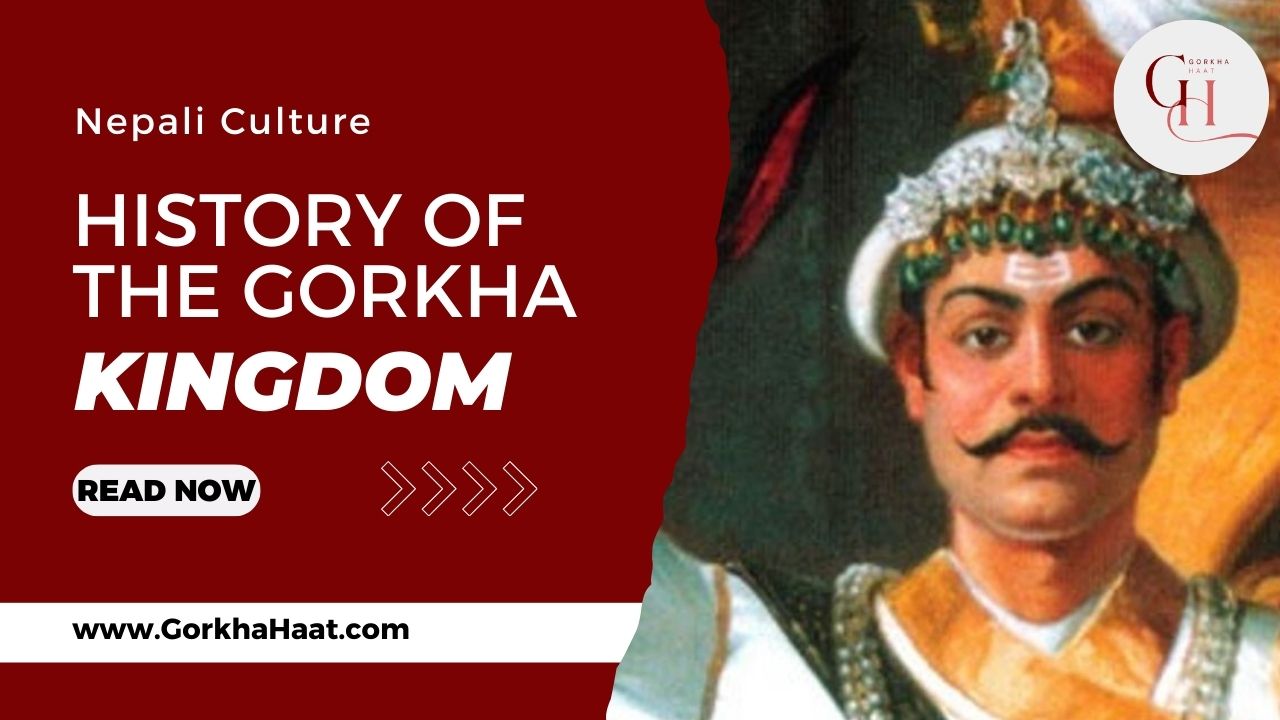
That iconic portrait of Prithvi Narayan Shah - The Record
As Gorkhas in Darjeeling, we revere Prithvi Narayan not just as a conqueror but as a unifier. His legacy fuels our calls for Gorkhaland, echoing the fight for identity.
Expansion Beyond the Valley: Wars and Imperial Ambitions
With unification complete, the Gorkha Kingdom—now often called the Gorkha Empire—eyed further growth. Under Prithvi Narayan's successors, including his son Pratap Singh Shah (1775–1777) and grandson Ran Bahadur Shah (1777–1799), with regent Bahadur Shah (Prithvi's younger son) pulling strings, expansion accelerated.
Westward, generals like Ram Krishna Rana conquered Tanahun and Lamjung by 1785, reaching the Kali River by 1790. In Kumaon and Garhwal, victories in 1790 brought hill territories under control. Eastward, invasions into Sikkim in 1779 and 1788 drove the ruler into exile, occupying western Sikkim.
Northward, tensions with Tibet boiled over trade and borders. In 1788, Gorkha forces seized Kyirong and Kuti, extracting tribute. When payments stopped, a 1791 invasion looted the Tashilhunpo Monastery in Shigatse. China's Qing dynasty intervened, sending 17,000 troops that reached Nuwakot but were repelled by Gorkha resilience and harsh terrain. The 1792 Treaty of Betrawati ended the Sino-Nepalese War, with Nepal paying nominal tribute.
These expansions doubled Nepal's size, stretching from Punjab to Sikkim, encompassing diverse ethnic groups like Gurungs, Rais, and Limbus. The army, composed of these hill tribes, became legendary for discipline.
However, ambition clashed with the British. The Anglo-Nepalese War (1814–1816), sparked by border disputes, saw Gorkha forces under Amar Singh Thapa hold forts like Kangra but ultimately face defeat due to superior British artillery. The Treaty of Sugauli ceded territories like Kumaon, Garhwal, and parts of the Tarai, halving the empire.
A later Nepalese-Tibetan War (1855–1856) under Jung Bahadur Rana ended in victory, with the Treaty of Thapathali granting trade rights.

The Amazing Linn Atlas Animates the Expansion of the Gorkha Empire ...
Peak Extent, Decline, and Internal Strife
At its zenith in the early 19th century, the Gorkha dominion spanned over 1,000 miles, from the Sutlej River in the west to the Teesta in the east, including parts of Tibet and India. This "Greater Nepal" was a mosaic of cultures, with Kathmandu as its bustling heart.
Decline set in with the Anglo-Nepalese War's losses and internal power struggles. Factions like the Shahs, Thapas, and Pandes vied for control, leading to assassinations and coups. The Rana dynasty rose in 1846 after the Kot Massacre, reducing the Shah kings to figureheads while ruling as hereditary prime ministers until 1951.
Isolation persisted, but British influence grew through Gurkha recruitment post-1816. Over 250,000 Gurkhas served in World War II, earning thousands of bravery awards. This military tradition is our pride in Darjeeling, where Gurkha veterans' stories are passed down.
The kingdom endured until 2008, when monarchy was abolished after the 2001 Royal Massacre and Maoist insurgency, turning Nepal into a republic.
Cultural and Social Aspects: A Tapestry of Traditions
The Gorkha Kingdom wasn't just about conquest; it fostered a rich culture. Newari language and art flourished in the court, with Prithvi Narayan composing poetry in Newari. Hinduism unified diverse groups, but indigenous practices like shamanism persisted among Magars and Gurungs.
Socially, the kingdom promoted meritocracy in the military, where hill tribes rose to prominence. Women played roles in agriculture and even warfare, though patriarchal norms dominated. Trade in wool, herbs, and salt linked it to India and Tibet.
In Darjeeling, this cultural blend lives on in our music, dances like the Maruni, and cuisine—think sel roti and gundruk, echoes of Gorkha feasts.
Legacy: The Gorkha Spirit Endures
The Gorkha Kingdom's legacy is profound. It birthed modern Nepal, a nation of unity in diversity. For us in Darjeeling, it's the source of our identity—the "Ayo Gorkhali" battle cry that rings in Gurkha regiments worldwide. From Victoria Cross winners like Kulbir Thapa Magar to modern heroes, the Gorkha ethos of bravery and loyalty persists.
As we sip Darjeeling tea, let's remember: our history isn't confined to books; it's in our veins. The kingdom taught us that from small hills, great empires rise.
Thank you for reading, fellow Gorkhas. Share your thoughts in the comments—what part of this history resonates with you?
Gorkha Haat Team
We share stories of authentic Nepali heritage, food, culture, and local markets.
Related Posts
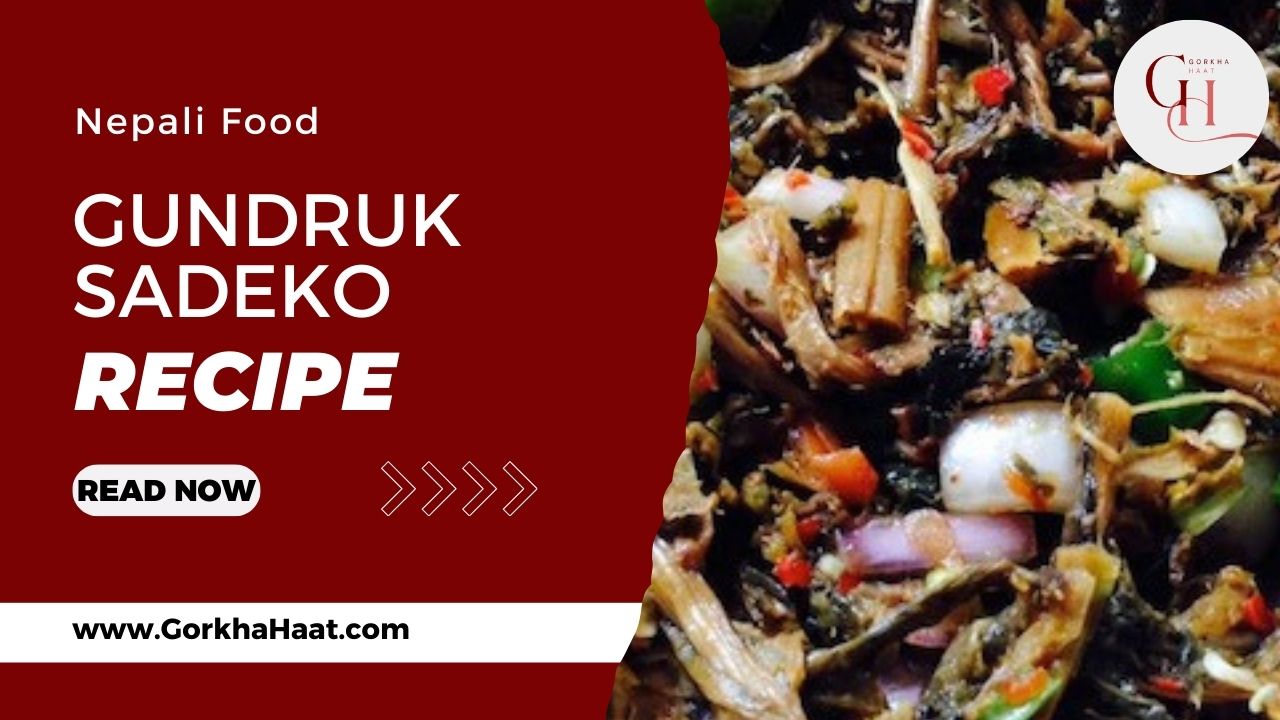
Gundruk Sadeko Recipe: Tangy Fermented Greens Salad from Darjeeling Hills | Gorkha Haat
Discover Gundruk Sadeko—the probiotic-rich, tangy fermented leafy greens salad of Darjeeling & Kalimpong. Authentic recipe, health benefits, cultural roots, and traditional preparation at Gorkha Haat.
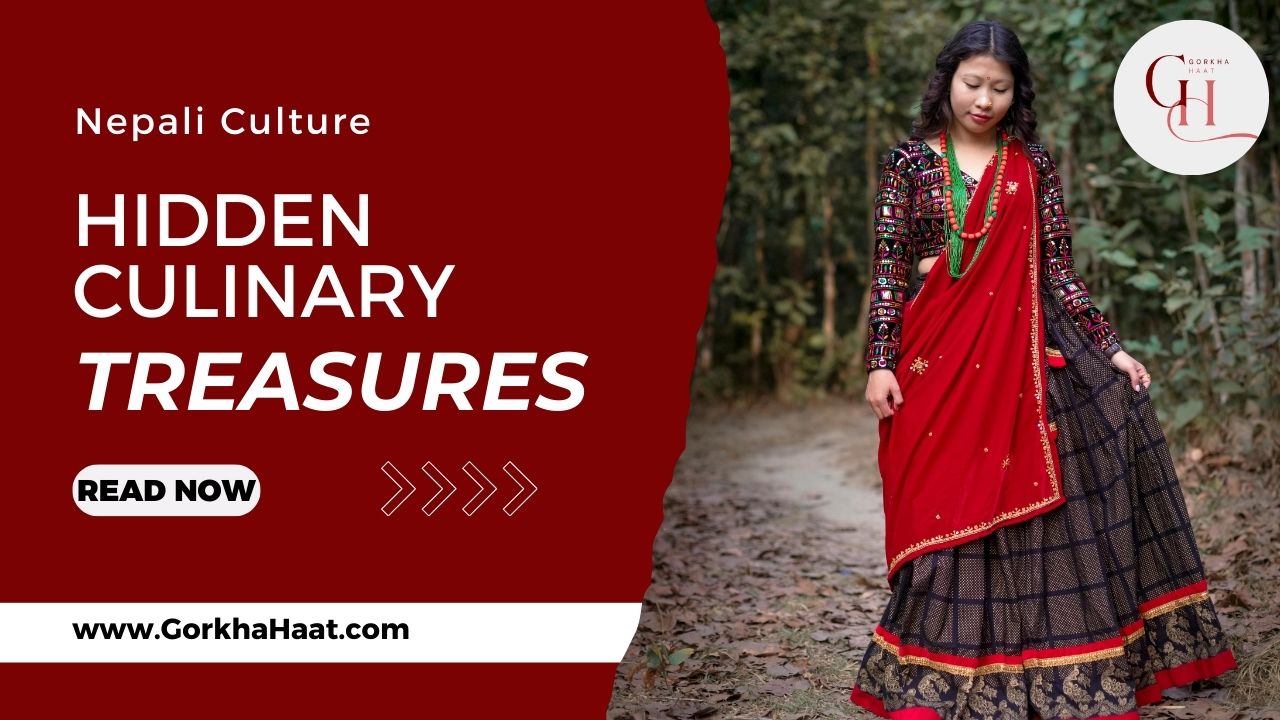
Hidden Culinary Treasures of Gorkha Nepal: Authentic Hill Foods & Recipes 2026
Discover the hidden culinary gems of Gorkha district, Nepal – dhido, gundruk, batuk, kinema, sukuti, and more. Explore authentic Gorkha hill cuisine, ethnic Magar & Gurung flavors, and tips from a Darjeeling Gorkha perspective. Perfect for food lovers and travelers!
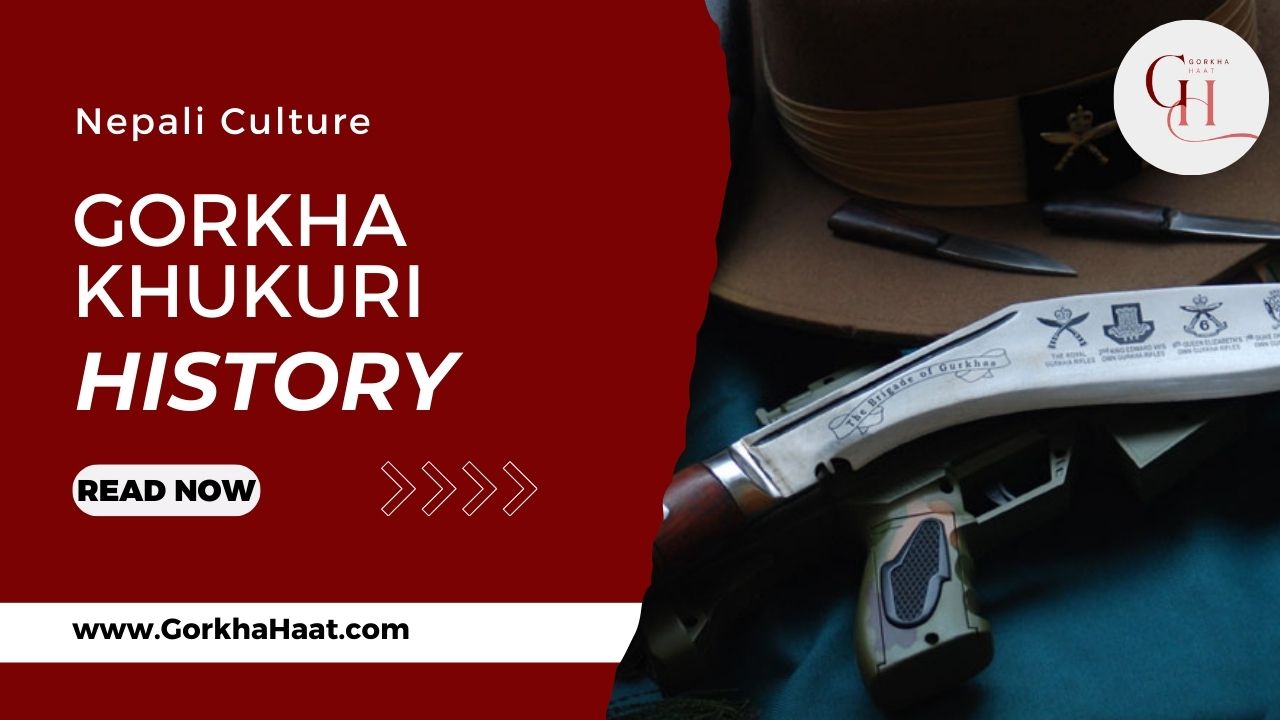
Gorkha Khukuri Kukri: History, Types & Significance in Darjeeling 2026
Discover the Gorkha Khukuri (Kukri) – the iconic curved knife of Nepal. Explore its history, blade types, craftsmanship, and deep cultural role in Darjeeling's Gorkha community. Guide to authentic khukuri knives!
Comments
User Name
This is an example comment. Users can leave feedback here.