Darjeeling Salad & Nepali Salads: Sadeko Kakra, Gundruk Achar Recipes 2026
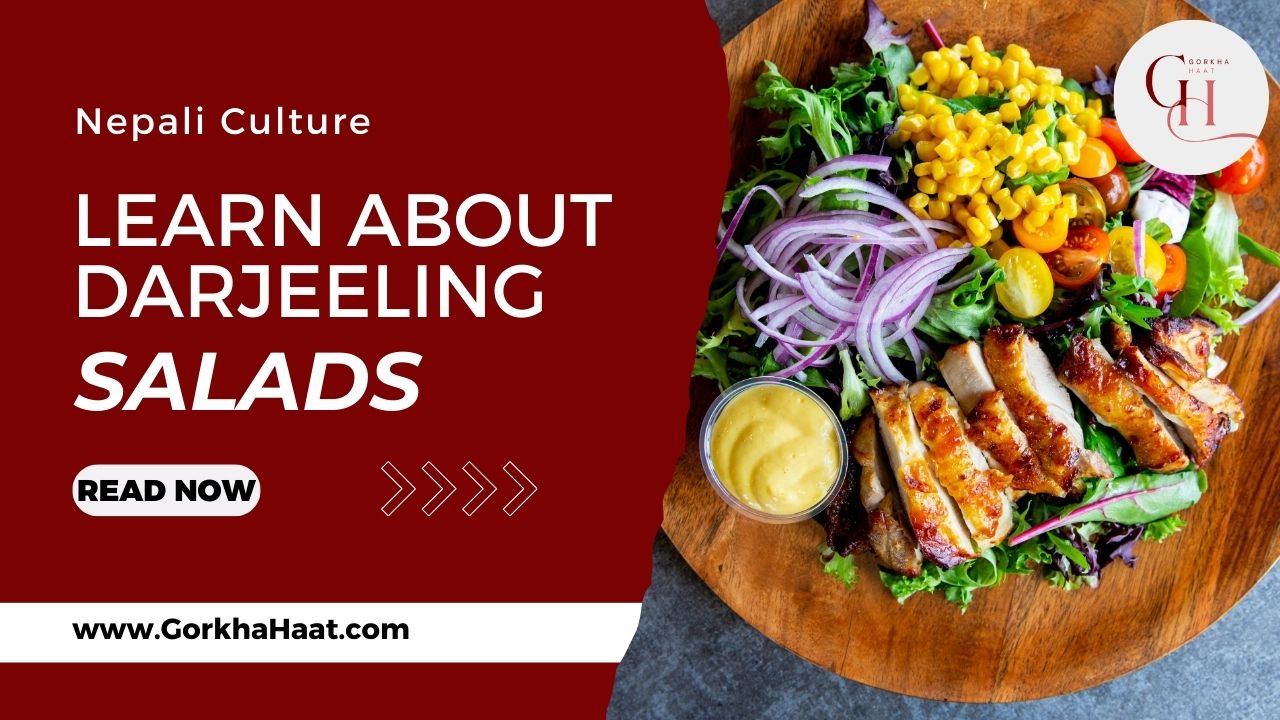
Fresh & Fiery: Darjeeling Salad and the Diverse World of Nepali Salads – Tangy, Spicy, and Soul-Satisfying Sides from the Gorkha Hills
Hello, dear readers of Gorkha Haat! Rajesh Gurung here, waving from the crisp, tea-scented air of Darjeeling on this January evening in 2026. As your devoted content writer for this blog that celebrates our vibrant Gorkha heritage—from the legendary khukuri and intricate Dhaka weaving to hidden culinary treasures and festive rituals—today I'm excited to dive into something close to every Gorkha heart: salads, or what we lovingly call achar and sadeko dishes.
In Darjeeling and the broader Gorkha world, salads aren't just side dishes—they're bursts of flavor that balance rich curries, add crunch to meals, and bring probiotic goodness from fermentation. Our "Darjeeling Salad" often refers to fresh, spicy veggie mixes like sadeko kakra (cucumber salad) or mixed veg versions sold at Chowk Bazaar stalls, while Nepali salads encompass a rainbow of achar varieties: tangy gundruk, nutty kinema, fiery potato, and more. These are everyday heroes in our kitchens—simple, healthy, and packed with hill-fresh ingredients that connect us to Nepal's Gorkha roots.
For us in Darjeeling, these salads evoke childhood memories: grandmother's gundruk achar with steaming rice, street-side sadeko kakra from haat vendors, or family feasts where a bowl of spicy potato salad cuts through the richness of momos or sukuti. In this heartfelt guide (over 2000 words!), we'll explore Darjeeling's signature salads, classic Nepali varieties, recipes, cultural significance, and tips to recreate them at home. Let's get chopping and tempering!
Learn more about:
Best Hiking Trails in Darjeeling
The Essence of Nepali & Gorkha Salads: Achar, Sadeko, and Fresh Twists
In Nepali cuisine, "salad" often means achar (pickle/side relish) or sadeko (spiced/tossed fresh mix). These aren't preserved jars like Western pickles—they're quick, vibrant condiments served daily with dal bhat, roti, or snacks. Key traits:
Spicy & Tangy — Thanks to dalle khursani (fiery round chilies), garlic, ginger, and lemon.
Fermented Depth — Gundruk and kinema add umami and probiotics.
Fresh & Crunchy — Veggies like cucumber, radish, carrot, potato for texture.
Mustard Oil Magic — Roasted for nutty aroma in tempering (jhaneko).
In Darjeeling, our versions blend Nepali traditions with local produce—fresh hill cucumbers, organic radishes, and abundant greens—making them lighter yet boldly flavored.
These salads promote gut health, use seasonal bounty, and add variety to simple meals—perfect for our hill lifestyle.
A vibrant bowl of mixed veg sadeko salad—crisp, colorful, and irresistible.
Darjeeling's Signature: Sadeko Kakra (Spicy Cucumber Salad)
One of the most loved "Darjeeling salads" is sadeko kakra—a fresh cucumber dish that's a street-food staple in Chowk Bazaar and haats. It's quick, refreshing, and packs heat from local dalle khursani.
Ingredients (serves 4):
4-5 fresh cucumbers (Darjeeling variety if possible), deseeded and chopped
1 small red onion, finely sliced
2-3 green chilies or dalle khursani, chopped
2-3 garlic cloves, minced
1-inch ginger, grated
Juice of 1 lemon
Salt to taste
Fresh coriander, chopped
Optional: Roasted sesame seeds or tomato for extra zing
Method:
Chop cucumbers into bite-sized pieces.
Mix with onion, chilies, garlic, ginger, salt, and lemon juice.
Toss well; let sit 10 minutes for flavors to meld.
Garnish with coriander and serve chilled.
This salad is cooling yet fiery—perfect alongside momos or grilled meat. Vendors often add a touch of sesame oil for aroma.
Here’s a street-style sadeko kakra from Darjeeling's bustling haat:
Freshly tossed cucumber salad with dalle khursani—tangy and addictive.
A close-up of vibrant ingredients in a Darjeeling-style kakra sadeko.
Mixed Veg Nepali-Style Salad: Darjeeling's Everyday Fresh Achar
Another popular "Darjeeling salad" is the quick mixed veg version—vegan, 10-minute prep, and full of crunch.
Ingredients:
1 cucumber, deseeded and chopped
1 carrot, julienned
1 boiled potato, cubed
1 radish (mula), julienned
Spring onions, chopped
1.5 tsp ginger-garlic paste
2 dalle khursani or red chilies, slit
1 tbsp lemon juice
Chopped coriander
Salt
Method:
Toss everything together, adjust spice, and serve immediately.
This reflects Darjeeling's fusion—Nepali spices with local veggies—ideal for picnics or light lunches.
Colorful mixed veg salad—fresh from the Darjeeling hills.
Gundruk Sadeko/Achar: The Tangy Fermented Star
Gundruk (fermented leafy greens) is a Gorkha superfood—mustard/radish leaves fermented for tangy, probiotic punch. Gundruk ko achar or sadeko is a beloved salad.
Ingredients:
1 cup soaked gundruk (rehydrated)
1 tomato, chopped
1 onion, chopped
Green chilies
Garlic, ginger
Roasted mustard oil for tempering (fenugreek seeds, cumin)
Salt, turmeric
Method:
Mix gundruk with veggies; temper oil with spices and pour over. Toss and serve.
In Darjeeling/Kalimpong, it's a staple—tangy, healthy, and pairs with rice or dhido.
Steaming bowl of gundruk sadeko—probiotic-rich and flavorful.
Fermented gundruk achar with tempering—classic Gorkha side.
Kinema Ko Achar: Nutty Fermented Soybean Salad
Eastern Nepal/Darjeeling favorite: kinema (fermented soybeans) in achar form—umami-packed.
Ingredients:
1 cup kinema
Onion, tomato, chilies
Spices: cumin, timur (Szechuan pepper)
Mustard oil tempering
Method:
Mix with chopped veggies; add hot tempered oil.
Nutty, pungent—great with pork or veggies.
Kinema ko achar—fermented soybean delight.
Other Beloved Nepali Salads & Achar Varieties
Aloo Ko Achar (Potato Salad): Boiled potatoes with sesame, chilies, lemon—creamy and spicy.
Mula Ko Achar (Radish Pickle): Fresh or fermented radish with spices.
Bhatmas Ko Achar (Soybean): Roasted soybeans in achar.
Gorkhali Achar (Gorkha Chutney): Tomato-onion-chili mix—simple salad-like side.
These add variety—fermented for depth, fresh for crunch.
Spicy aloo ko achar—comforting potato salad.
Traditional mula ko achar—crisp radish relish.
Cultural Significance & Tips for Enjoying These Salads
In Gorkha/Darjeeling homes, salads balance heavy meats/curries, aid digestion, and showcase seasonal produce. During festivals like Dashain, extra achar varieties grace tables.
Tips:
Use dalle khursani for authentic heat.
Mustard oil tempering is key—roast for flavor.
Source gundruk/kinema from Nepali stores or haats.
Experiment: Add churpi (cheese) for protein.
Health perks: Probiotics from ferments, vitamins from veggies—sustainable hill eating.
Personal Reflections: Salads That Taste Like Home
For me, these salads are nostalgia in a bowl—gundruk's tang recalls grandmother's kitchen, sadeko kakra the buzz of Chowk Bazaar. They connect our Darjeeling lives to Nepal's hills, reminding us of simple joys and shared roots.
Conclusion: Toss Up Some Gorkha Flavor!
Darjeeling Salad and Nepali salads—sadeko kakra, gundruk achar, kinema, aloo ko achar—are vibrant, healthy sides that elevate every meal. They embody our resourcefulness, spice love, and cultural bond.
Try one tonight—grab fresh veggies and dalle, and taste the hills! Visit Gorkha Haat for more recipes and inspiration. Namaste from Darjeeling's misty embrace!
Gorkha Haat Team
We share stories of authentic Nepali heritage, food, culture, and local markets.
Related Posts
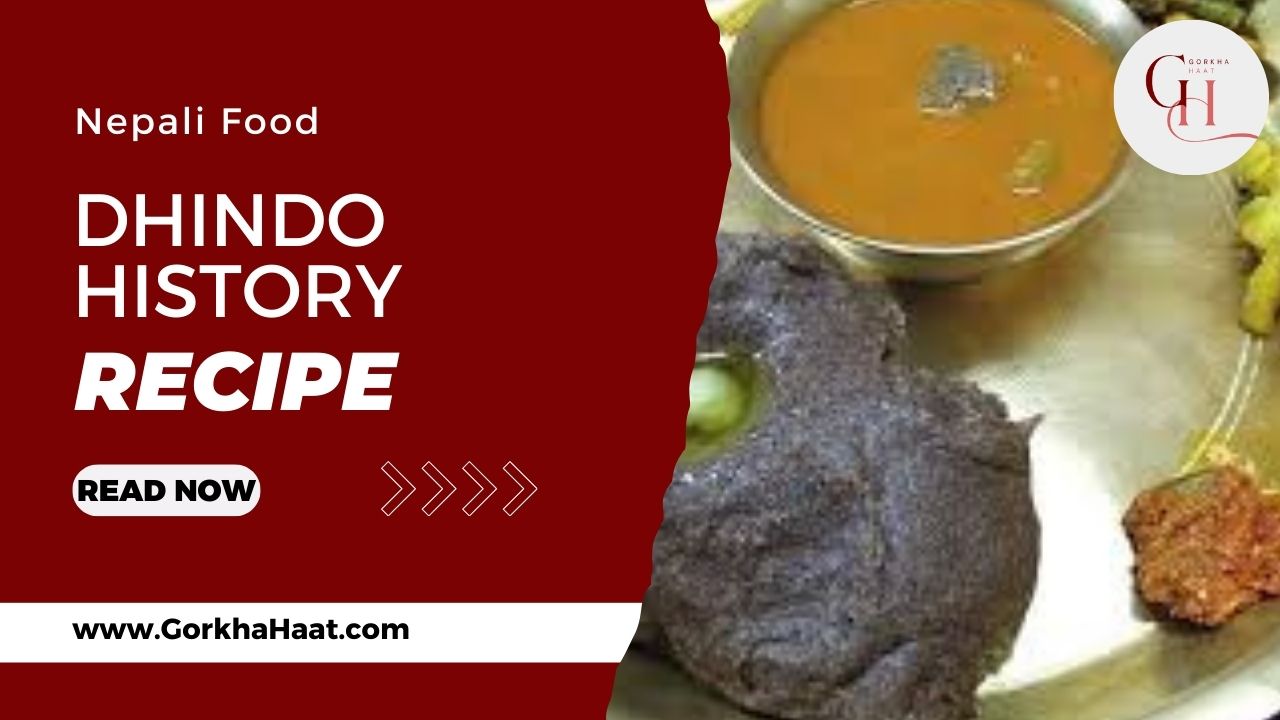
Nepali Food Dhindo Recipe: Authentic Darjeeling Himalayan Staple Food with Gundruk & Sisnu | Gorkha Haat
Dhindo is a traditional Nepali staple made from buckwheat, millet, or maize flour. Rich in history, nutrition, and cultural significance, it remains one of Nepal’s most beloved Himalayan foods. Learn its origins, preparation, benefits, and why it continues to be a national favorite.

Pashupatinath Temple: History, Spiritual Significance & Complete Guide (2026)
Pashupatinath Temple is Nepal’s most sacred Shiva shrine, known for its ancient architecture, spiritual energy, and centuries-old rituals. Located by the Bagmati River, this UNESCO World Heritage Site remains a powerful center for Hindu devotion, culture, and traditional ceremonies.

Traditional Handicrafts of Gorkha Nepal: Khukuri, Dhaka Weaving, Bamboo & Wood Crafts 2026
Explore traditional handicrafts of Gorkha district, Nepal – iconic khukuri knives, Dhaka fabric weaving, bamboo baskets, wood carvings, and ethnic Gurung/Magar artistry. A guide from Darjeeling's Gorkha perspective on heritage crafts!
Comments
User Name
This is an example comment. Users can leave feedback here.