Lhosar 2026 Darjeeling: Tamang, Gurung & Sherpa New Year Celebrations | Gorkha Haat
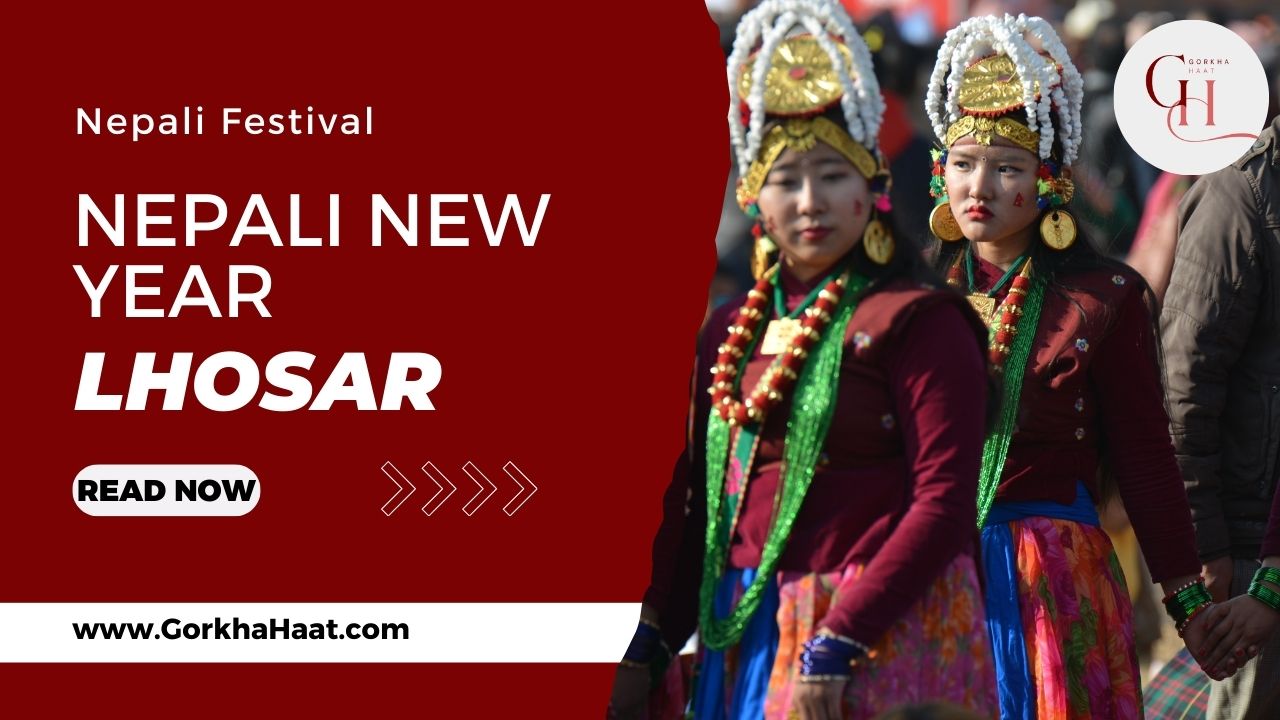
Lhosar: Darjeeling’s Joyous Himalayan New Year Celebration
As winter loosens its grip on the Darjeeling hills and the first rays of spring sun touch the snow-capped Kanchenjunga, the Nepali-speaking communities of Darjeeling, Kurseong, Kalimpong, Mirik, and the vibrant lanes of Gorkha Haat burst into a riot of colors, music, and warmth: it is Lhosar, the grand Himalayan New Year.
For the Tamang, Gurung, Sherpa, Magar, Yolmo, Thakali, and other mountain peoples who have called these hills home for generations, Lhosar is the most important festival of the year—a sacred moment of renewal, ancestral reverence, cultural pride, and unbreakable community spirit.
At Gorkha Haat, the heartbeat of authentic Gorkha-Nepali culture in Darjeeling, Lhosar transforms the market into a living celebration: prayer flags flutter between tea stalls, the scent of butter lamps mixes with roasting meat, and the rhythmic beat of damphu drums echoes from dawn till midnight. Whether it is Tamang Lhosar in February, Gurung Lhosar (Tamu Lhosar) in December–January, or Sherpa Lhosar (Gyalpo Lhosar), every version is celebrated with the same infectious joy and deep-rooted devotion that ties Darjeeling’s Himalayan communities to Tibet, Nepal, and their shared Buddhist-Himalayan heritage.
Origin and Deep Significance of Lhosar
The word “Lhosar” comes from Tibetan: Lho (year) + Sar (new) = New Year. It follows the ancient lunar calendar used across the entire Himalayan belt—from Ladakh and Sikkim to Bhutan and eastern Nepal. In Darjeeling, where many families trace their roots to Tamang Selo, Gurung villages of Gorkha district, and Sherpa settlements near Everest, Lhosar is far more than a date change; it is a cosmic reset.
Spiritually, Lhosar marks the triumph of light over darkness, knowledge over ignorance, and good over evil—just as the days begin to lengthen after the winter solstice. Buddhist monks and lamas explain that the festival aligns with the cycles of karma: the old year’s negative energies are cleansed, and fresh merit is accumulated for the year ahead. Ancestor worship is central—families believe that departed souls return during Lhosar to bless the living, making offerings to them an act of love and continuity.
For Darjeeling’s Gorkha communities, who have preserved their distinct identity despite living in India for over 200 years, Lhosar is also a powerful assertion of who they are. When prayer flags rise above tea gardens and damphu beats fill the air, it is a proud declaration: “We are the children of the Himalayas, bearers of an ancient and living culture.”
How Lhosar Unfolds in Darjeeling: Rituals and Traditions
1. Pre-Lhosar Preparations – Cleansing and Renewal
Weeks before the main day, every home in Darjeeling’s Tamang, Gurung, and Sherpa bastis undergoes thorough cleaning. Old items are discarded, walls are whitewashed, and colorful hand-painted mandalas or eight auspicious symbols (Ashtamangala) adorn doorways. New prayer flags in five colors—blue, white, red, green, yellow—are strung across rooftops and between bamboo poles, carrying prayers to the heavens with every mountain breeze.
At Gorkha Haat, the weeks leading up to Lhosar see an explosion of shopping: families buy new chuba and bakku (traditional dresses), silver jewelry, khada scarves, and ingredients for festive cooking.
2. The Sacred Morning – Monastery Visits and Butter Lamps
On Lhosar morning, families dress in their finest traditional attire and head to monasteries. Popular destinations include:
Tamang monasteries in Sonada and Ging
Gurung and Magar gompas in Lebong and Mineral Spring
The magnificent Sherpa monastery at Bhutia Busty
Old Ghoom Monastery and Dali Monastery
Hundreds of butter lamps are lit, monks chant prayers for world peace, and the air resonates with the deep sound of dungchen (long horns) and gyaling trumpets. Families offer rice, fruits, incense, and symbolic changkol (a small clay stupa made of barley flour) to receive blessings from the lama.
3. Ancestor Worship and Family Pujas
Back home, every household sets up a small altar with photographs of departed elders. Offerings of food, tea, and ara (local millet beer) are made while the family head recites prayers asking ancestors to protect the household in the new year. This beautiful ritual keeps the bond between generations alive.
4. Explosive Cultural Performances
Darjeeling’s Lhosar is synonymous with dance and music:
Tamang Selo with fast damphu beats and romantic lyrics
Gurung Ghantu and Sorathi dances
Sherpa dramatic mask dances depicting the triumph of good
Maruni and Kauda performances by mixed groups
Major venues like Chowrastha, Gorkha Haat grounds, Mani Square in Kalimpong, and Tamang Gumba grounds in Bijanbari host day-long cultural programs. Young artists in dazzling costumes compete, while elders wipe away tears remembering childhood celebrations in Nepal.
5. The Grand Lhosar Feast
Food is the soul of Lhosar. Every community has its signature dishes, but the table always overflows:
Guthuk (a special nine-ingredient soup with dough balls containing symbolic items—chili for sharp tongue, charcoal for black heart, etc.—eaten on Lhosar eve to “throw out” negativity)
Khapse (deep-fried biscuits in intricate shapes)
Sha Phaley (Tibetan meat or veg bread)
Thenthuk & Momos
Pork or yak meat curry (for non-vegetarian families)
Gundruk, sisnu, and bamboo-shoot curries
Dhero (hand-torn homemade noodles)
Homemade ara, tongba, and chyang (barley beer)
At Gorkha Haat, special Lhosar food stalls pop up for weeks, letting visitors taste authentic Himalayan flavors.
6. Greetings, Gifts, and Community Visits
People greet each other with “Tashi Delek” (Sherpa) or “Lhochhar Mubarak” / “Losar Ko Shubhakamana” (Tamang/Gurung). Elders give blessings and small monetary gifts (sagun) to children. Families spend the day visiting relatives, exchanging khada scarves, and mending any old disagreements—the new year must begin with a clean heart.
The Three Main Lhosars Celebrated in Darjeeling
Tamang Lhosar (Sonam Lhosar) – Usually February Largest in Darjeeling because of the big Tamang population. Famous for damphu competitions and Selo music concerts.
Gurung Lhosar (Tamu Lhosar) – December–January Marked by ancestor worship, rodhi gatherings, and the famous “Tamu Lhosar Mela” at Gorkha Haat.
Sherpa Lhosar (Gyalpo Lhosar) – February–March Features elaborate monastery rituals and Gorshey circle dance under moonlight.
Spiritual, Social, and Health Dimensions
Spiritually, Lhosar is a time of merit-making, forgiveness, and setting positive intentions. Socially, it is the strongest glue binding Darjeeling’s Himalayan communities—especially powerful for youth who might otherwise drift from tradition. The heavy use of warming foods (meat, butter, ginger, garlic) and alcohol in moderation is perfectly suited to high-altitude winters, boosting immunity and circulation.
Tips for Experiencing Lhosar in Darjeeling (2025–2026 Season)
Mark your calendar: Tamang Lhosar 2026 expected around 25 February.
Book homestays early in Tamang/Gurung villages like Mineral Spring, Takdah, or Relli.
Wear warm traditional or semi-traditional attire—respect is appreciated.
Visit Gorkha Haat on Lhosar eve for the liveliest atmosphere and best street food.
Attend at least one monastery prayer session for an unforgettable spiritual experience.
Try guthuk on Lhosar eve—finding a “chili” or “coal” dough ball is hilarious fun!
Learn basic greetings: “Tashi Delek” or “Lhochhar Mubarak” opens every heart.
Carry cash—many stalls and donation boxes are cash-only.
Conclusion
Lhosar is the soul-stirring anthem of Darjeeling’s Himalayan communities—a festival where ancient rituals dance with modern joy, where prayer flags whisper blessings over endless tea gardens, and where every damphu beat reminds the world that the children of the mountains are still proudly celebrating their roots.
From the glowing butter lamps of Ghoom Monastery to the midnight fireworks over Gorkha Haat, Lhosar is more than a New Year—it is a vibrant reaffirmation of identity, gratitude, and hope. When you stand in a Darjeeling crowd wearing a khada, tasting khapse, and swaying to Tamang Selo under starlit Himalayan skies, you understand: this is not just a festival. This is homecoming.
Gorkha Haat Team
We share stories of authentic Nepali heritage, food, culture, and local markets.
Related Posts
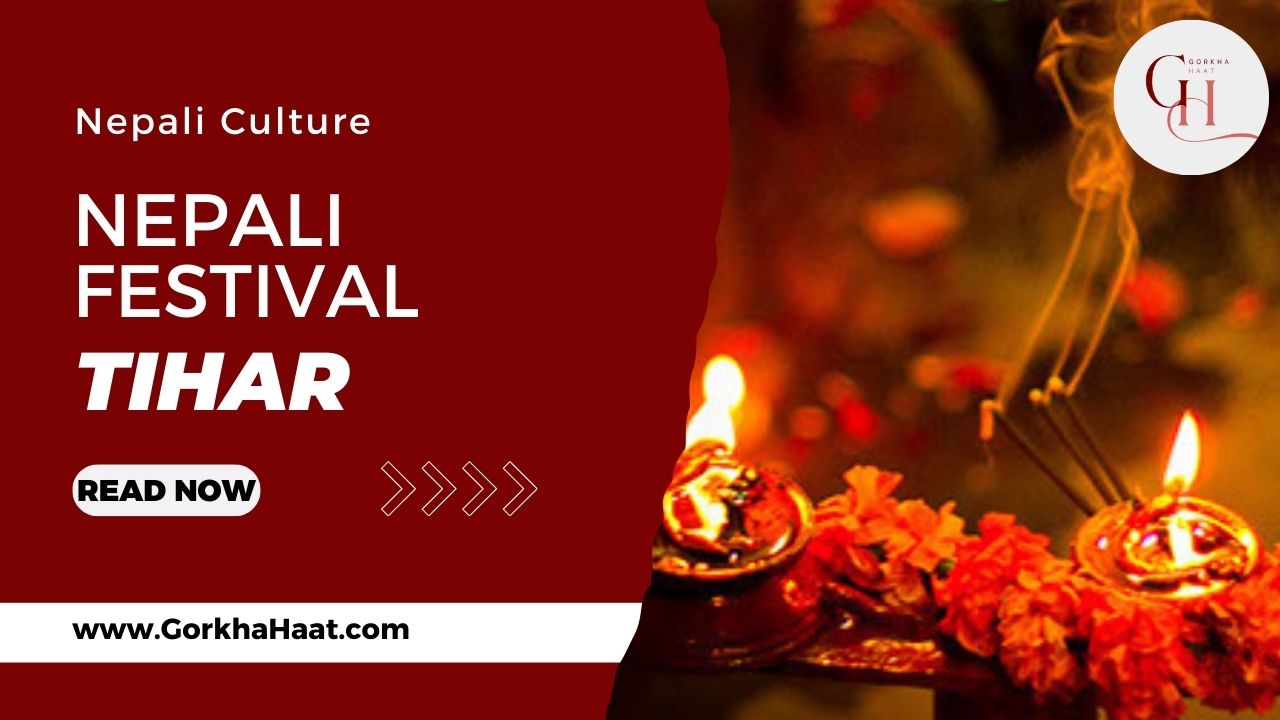
Tihar Festival Nepal & Darjeeling - Queen of Hills : Full Guide & Rituals
Explore Tihar (Deepawali) – Nepal’s Festival of Lights with Kukur Tihar, Lakshmi Puja, Bhai Tika. Rituals, significance & differences between Nepal and Darjeeling Gorkha celebrations.
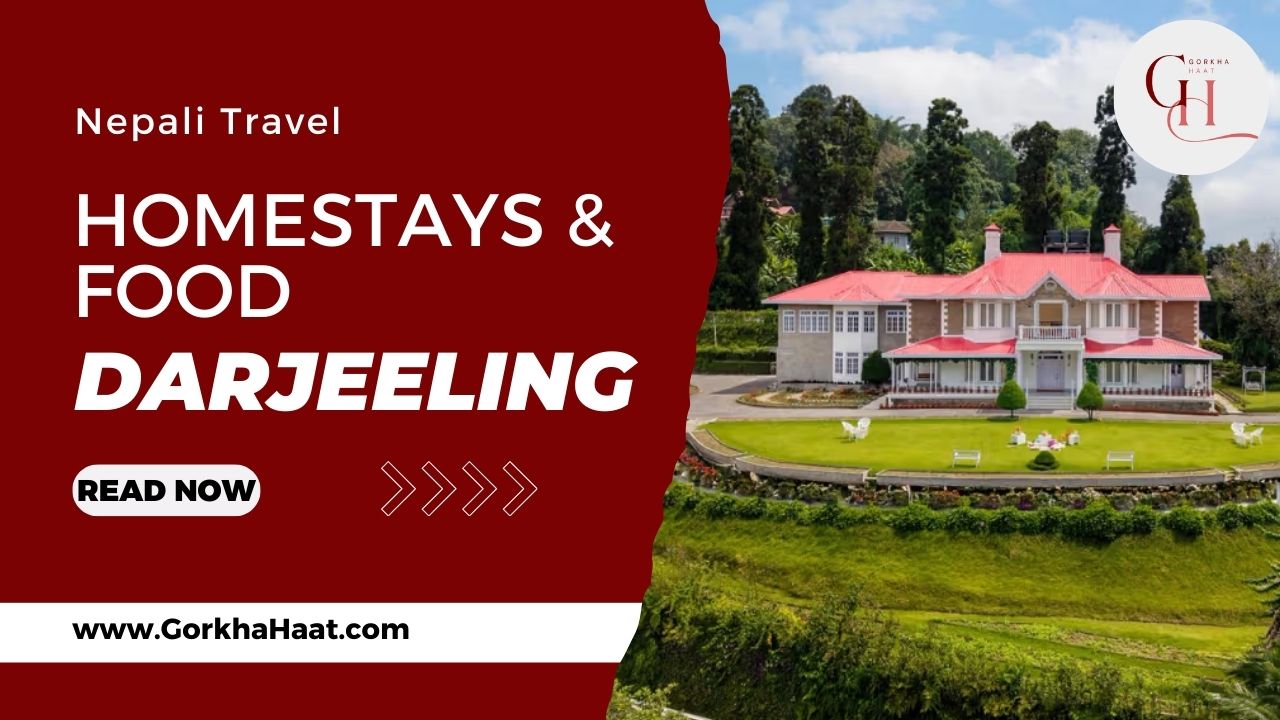
Local Foods & Homestays in Darjeeling - Queen of Hills, Kalimpong, Kurseong & Mirik
Discover the best homestays in Darjeeling hills offering traditional Nepali local foods like Momos, Dhindo & Gundruk. Explore immersive stays in Kalimpong, Kurseong & Mirik for authentic Himalayan hospitality at Gorkha Haat.

How Hill Families Prepare for Winter in Darjeeling
Discover authentic ways Darjeeling hill families prepare for winter: from home insulation and traditional foods like thukpa to cultural festivals.
Comments
User Name
This is an example comment. Users can leave feedback here.