Traditional Handicrafts of Gorkha Nepal: Khukuri, Dhaka Weaving, Bamboo & Wood Crafts 2026
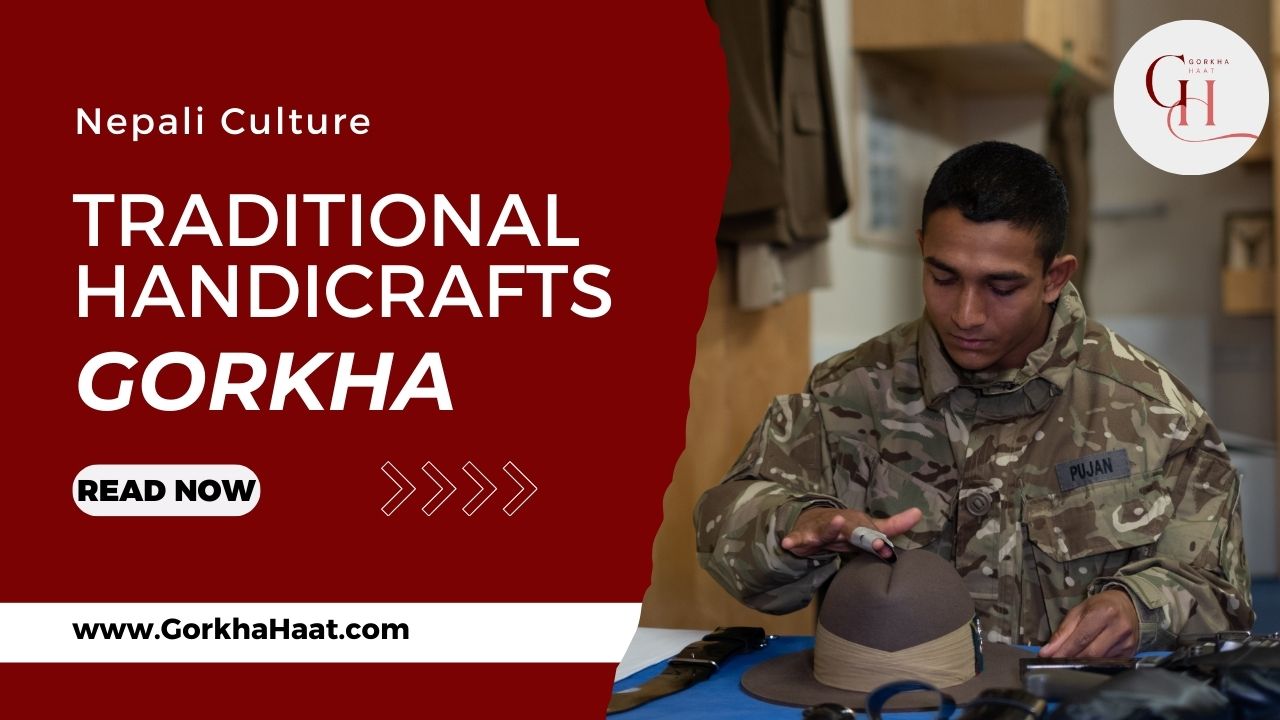
Preserving the Legacy: Traditional Handicrafts of Gorkha – Artistry, Skill, and Cultural Pride from Nepal's Historic Hills
Hello, dear readers of Gorkha Haat! Rajesh Gurung here, greeting you from the cool, invigorating heights of Darjeeling on this January day in 2026. As your passionate content writer for this blog that celebrates our Gorkha essence—from the legendary khukuri and Daura Suruwal to hidden culinary treasures, vibrant festivals, and the iconic Dhaka Topi—today we shine a light on the traditional handicrafts of Gorkha.
Gorkha district, the birthplace of modern Nepal and the Shah dynasty, is a treasure trove of skilled craftsmanship. Rooted in the ingenuity of ethnic communities like Gurung, Magar, and others, these handicrafts blend utility, artistry, and deep cultural meaning. From the world-famous khukuri forged in hill villages to intricate Dhaka weaving, bamboo baskets, wood carvings, and more, Gorkha's artisans have long created items that sustain daily life, honor traditions, and tell stories of resilience.
For us Darjeeling Gorkhas, these crafts are cherished heirlooms—reminders of our ancestral skills passed down through generations. Many families still weave Dhaka patterns, carve wood, or cherish khukuris as symbols of pride. In this detailed exploration (over 2000 words!), we'll uncover the key handicrafts, their making, significance, and enduring role in our heritage. Let's honor the hands that shape Gorkha's soul!
The Iconic Khukuri: Gorkha's Most Famous Craft
No discussion of Gorkha handicrafts is complete without the khukuri (kukri)—the curved blade synonymous with Gorkha valor. Originating in the region as a multipurpose tool for farmers and warriors, it became legendary through Prithvi Narayan Shah's unification campaigns and the Gurkha regiments.
Gorkha is particularly noted for the Budhune Khukuri—a broad, slightly straight blade shaped like a fish head (Budhuna), aggressive and symbolic of Gorkhali identity. Forged by skilled Bishwakarma (Kami) blacksmiths using high-carbon steel, the process involves heating, hammering, and tempering the blade for sharpness and durability. The distinctive inward curve provides chopping power, while the cho (notch) prevents blood runoff and symbolizes protection.
Handles are often buffalo horn or wood, riveted securely, and sheaths (dap) feature wood with leather/metal fittings, including karda (small knife) and chakmak (sharpening steel). Decorative versions boast dragon, peacock, or eagle carvings for ceremonial use.
In Gorkha, khukuris are both functional (chopping wood, farming) and ceremonial (Dashain rituals, weddings). They embody "Kaphar hunnu bhanda marnu ramro" (Better to die than be a coward).
For Darjeeling Gorkhas, heirloom khukuris are displayed proudly, linking us to warrior ancestors.
Here are authentic examples of Gorkha-style khukuris:
This hand-forged Budhune khukuri showcases the broad, aggressive blade and traditional sheath.
A decorative Gorkha khukuri with intricate carvings—artistry meets utility.
A classic military-issue style khukuri, evoking Gurkha legacy.
Dhaka Weaving: Vibrant Patterns from Hill Looms
Dhaka fabric is a handwoven cotton textile prized for its geometric patterns and bright colors—reds, greens, blues, and golds. While originating in eastern Nepal (Tehrathum, Ilam), Gorkha's communities embrace and adapt it for caps (Dhaka Topi), shawls, and attire.
Artisans use traditional treadle looms (wood and bamboo) to weave intricate designs inspired by nature, temples, and geometry. Techniques involve inlay weaving for motifs, creating breathable, durable cloth perfect for Himalayan climates.
In Gorkha, women from Gurung and Magar families weave Dhaka for family use and sale, blending patterns unique to local tastes. It's used in Daura Suruwal, topis, and modern fusion wear.
Dhaka symbolizes national pride—mandatory in official dress under King Mahendra—and supports women's empowerment through cooperatives.
Here are stunning examples of Dhaka weaving:
Traditional Dhaka fabric in vibrant patterns—handloom artistry at its finest.
A weaver at work on a bamboo treadle loom—preserving generations of skill.
Close-up of geometric Dhaka motifs—colorful heritage in threads.
Bamboo and Cane Crafts: Everyday Utility and Ingenuity
Bamboo (baas) abounds in Gorkha's forests, inspiring practical handicrafts like doko (baskets), nanglo (winnowing trays), and mats. Gurung and Magar artisans weave these using split bamboo strips, creating sturdy carriers for firewood, crops, and market goods.
The doko, carried with a tump line (namlo), is iconic—women and porters use it daily. Techniques involve coiling and interlacing, often with natural dyes for patterns.
These eco-friendly crafts promote sustainability, reducing plastic use, and provide income in rural areas.
In Darjeeling, similar bamboo items appear at haats, connecting us to hill traditions.
Traditional bamboo weaving in action—rural Nepal craftsmanship.
A beautifully crafted doko basket—essential for hill life.
Intricate bamboo mats and trays—functional art from Gorkha forests.
Wood Carving: Sacred and Ornamental Mastery
Wood carving thrives in Gorkha, influenced by temple architecture and ethnic artistry. Gurung and Magar craftsmen carve doors, windows, furniture, and figures using local woods like walnut or rhododendron.
Motifs include mythical creatures, floral designs, and deities—seen in Gorkha Durbar's intricate pillars and smaller shrines.
These carvings adorn homes, temples, and souvenirs, blending functionality with spirituality.
In Darjeeling, wood-carved items echo our shared aesthetic.
Exquisite wood carving details from Nepali temples—timeless skill.
A traditional carved wooden panel—heritage in every curve.
Ornate woodwork showcasing Gorkha's artistic legacy.
Other Notable Crafts: Metalwork, Textiles, and More
Gorkha artisans excel in metalwork (utensils, bells), though less dominant than khukuri forging. Woolen items (shawls, blankets) and felt crafts from local sheep wool provide warmth.
Ethnic influences add variety: Magar metal jewelry, Gurung weaving. These sustain rural economies and preserve identity.
The Role of Handicrafts in Gorkha Today
Handicrafts empower communities—especially women—through cooperatives and tourism. They generate income, promote sustainability, and attract visitors seeking authentic souvenirs.
Challenges include modernization and market access, but efforts preserve skills.
In Darjeeling, we source Gorkha crafts for haats, bridging borders.
Personal Reflections: Why These Crafts Matter
As a Darjeeling Gorkha, Gorkha's handicrafts feel intimate—the khukuri's weight recalls bravery, Dhaka's patterns family stories. They inspire resilience and pride.
Conclusion: Cherish Gorkha's Handcrafted Heritage
Gorkha's traditional handicrafts—khukuri, Dhaka weaving, bamboo crafts, wood carving—embody skill, culture, and spirit. They connect past to present, sustaining identity amid change.
Visit Gorkha for authentic pieces, or explore at Gorkha Haat—support artisans! Namaste from the hills.
Gorkha Haat Team
We share stories of authentic Nepali heritage, food, culture, and local markets.
Related Posts
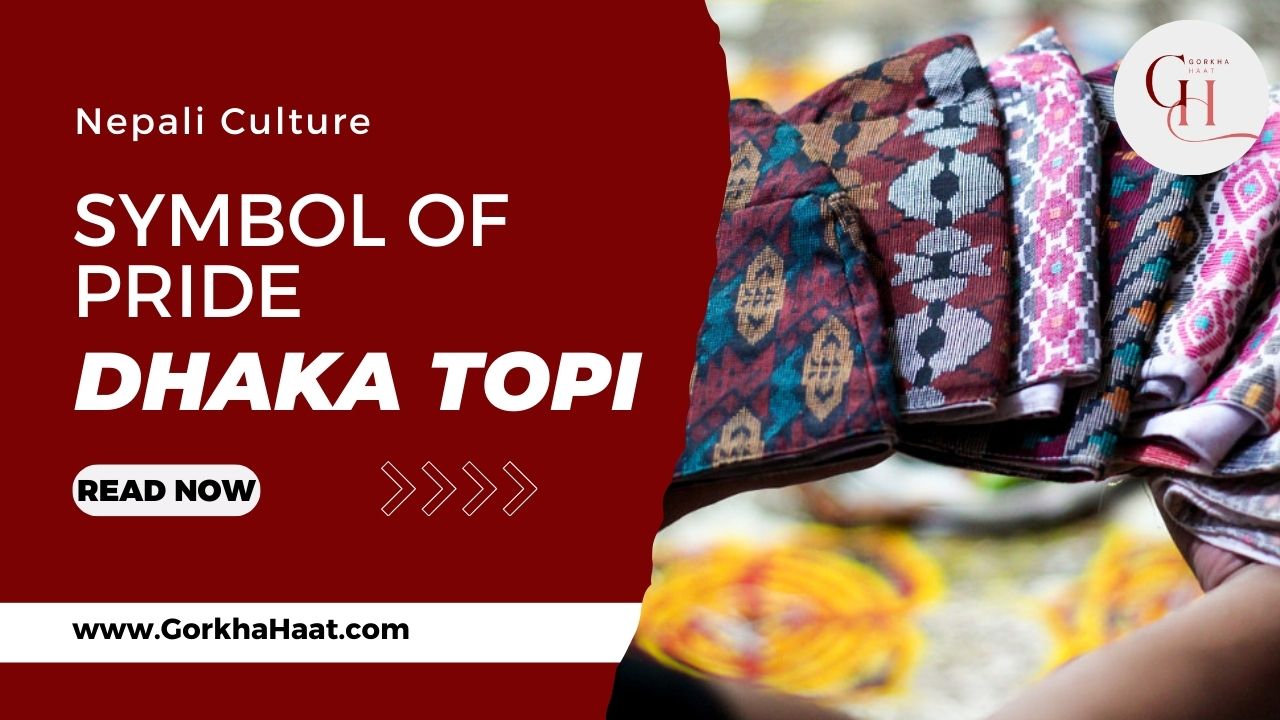
Gorkha Hat: Exploring the Dhaka Topi – A Symbol of Pride, Heritage, and Gorkha Identity in Darjeeling
Discover the Gorkha Hat (Dhaka Topi) – Nepal's iconic traditional cap. Explore its history from King Mahendra era, vibrant patterns, cultural significance, and how Darjeeling Gorkhas wear this symbol of pride. Shop authentic ones today!
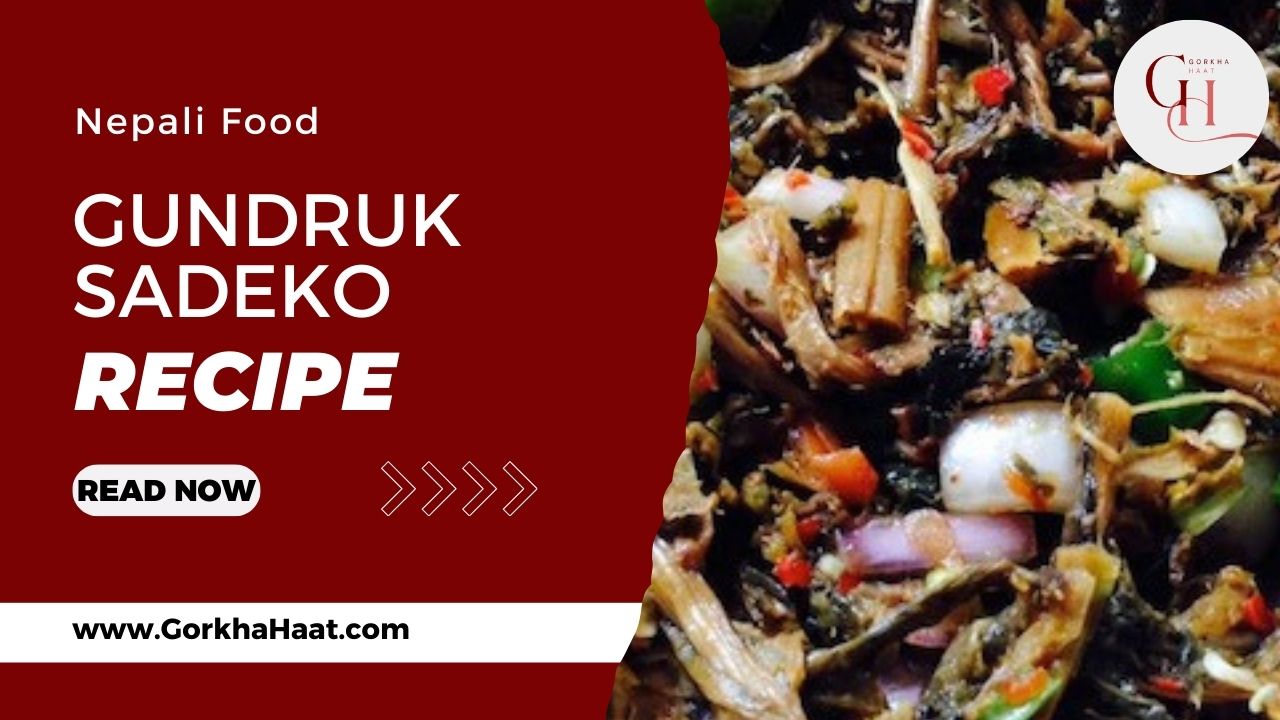
Gundruk Sadeko Recipe: Tangy Fermented Greens Salad from Darjeeling Hills | Gorkha Haat
Discover Gundruk Sadeko—the probiotic-rich, tangy fermented leafy greens salad of Darjeeling & Kalimpong. Authentic recipe, health benefits, cultural roots, and traditional preparation at Gorkha Haat.
Nwaran – Naming Ceremony in Darjeeling and Nepal: Rituals, Astrology & Cultural Significance
Nwaran, the traditional naming ceremony in Nepal, is a sacred ritual where newborns receive their name based on astrological calculations and blessings from gods and family. It marks purification, protection, and the child’s formal introduction into culture and community.
Comments
User Name
This is an example comment. Users can leave feedback here.