Gorkha Hat: Exploring the Dhaka Topi – A Symbol of Pride, Heritage, and Gorkha Identity in Darjeeling
Hello, beloved readers of Gorkha Haat! Rajesh Gurung here, greeting you from the breezy heights of Darjeeling, where the morning mist still clings to the tea bushes and the distant peaks of Kanchenjunga stand sentinel. As your dedicated content writer for this blog that celebrates everything Gorkha—from bustling markets to cherished traditions—I'm truly excited to share a deep dive into one of the most iconic symbols of our culture: the Gorkha Hat, better known as the Dhaka Topi or Nepali Topi.
For us Gorkhas in Darjeeling, the Dhaka Topi isn't just a piece of headwear; it's a crown of identity, a nod to our warrior ancestors, and a vibrant thread connecting us to our roots in the hills of Nepal. Whether worn during festivals like Dashain, at weddings, or simply as a mark of pride in our daily lives, this colorful cap embodies resilience, unity, and the unyielding spirit of the Gorkhas. In this comprehensive article (over 2000 words!), we'll journey through its history, craftsmanship, symbolism, how it's worn in our community, and why it remains a must-have for every Gorkha household. Let's celebrate this timeless treasure together!
Origins and History: From Ancient Threads to National Symbol
The story of the Dhaka Topi begins with the intricate handwoven fabric that gives it its name—Dhaka. This cotton textile, known for its stunning geometric patterns and vibrant colors, draws inspiration from traditional weaving techniques reminiscent of those in Dhaka, Bangladesh (historically famous for fine muslins like Jamdani). However, the Dhaka fabric we cherish today is proudly Nepali, developed and perfected in districts like Palpa, Terhathum, and Ilam in eastern and western Nepal.
The fabric's journey to Nepal traces back centuries, but it gained widespread popularity in the 19th and early 20th centuries. Initially a luxury reserved for royalty and the elite (like the Rana aristocrats), Dhaka cloth was expensive and imported. The turning point came in 1957 when visionary artisan Ganesh Man Maharjan from Palpa returned from Banaras (Varanasi) inspired by elegant Dhaka attire. Bringing a hand-operated loom (taan) and spools of thread, he and his wife established a small production unit in Palpa, training locals and making the fabric accessible to common people. This grassroots effort transformed Dhaka from an elite material into a symbol of national pride.
The topi itself became a mandatory part of Nepal's national dress during the reign of King Mahendra (1955–1972). To foster unity in a diverse nation, he declared the Daura Suruwal (traditional shirt and trousers) paired with the Dhaka Topi as official attire. Government officials wore it for portraits, passports, and ceremonies—even rental services popped up near Singha Durbar in Kathmandu! High-ranking officers often added a crossed khukuri badge, linking it to the valor of Gorkha soldiers.
For Gorkhas in Darjeeling, this history is especially meaningful. Many of our families migrated during British colonial times to work in tea gardens, bringing the Dhaka Topi as a portable piece of home. In our community, it's not just Nepali—it's Gorkha, worn by regiments, at cultural events, and as a badge of honor. The topi symbolizes the "yam between two boulders" philosophy of Prithvi Narayan Shah—resilient, proud, and rooted in the hills.
Today, International Nepali Dhoti and Topi Day on January 1 celebrates this heritage worldwide, with Nepalis and Gorkhas donning their topis to keep traditions alive. In Darjeeling, we see it at haats, festivals, and even in modern fashion— a true bridge between past and present.
The Craftsmanship: How the Gorkha Hat is Made
Creating a Dhaka Topi is an art form passed down through generations. It starts with Dhaka fabric—100% hand-spun cotton woven on traditional looms using inlay techniques. Artisans interweave colorful threads (often red, green, blue, black, and gold) to form intricate geometric patterns—no two topis are identical!
The weaving process is labor-intensive: warp and weft threads create symmetrical designs inspired by nature (mountains, rivers, flowers), temple motifs, or abstract geometry. The fabric is lightweight, breathable, and durable—perfect for the Himalayan climate.
Once woven, the fabric is cut and stitched into the signature shape: a cylindrical base that fits snugly around the forehead, tapering upward into a truncated cone about 3-4 inches tall. The top is slightly wider, often folded or puffed for style. Some variations include metallic threads for a modern sheen or subtle Gorkha-specific patterns.
In Darjeeling, a small industry thrives, with local weavers and tailors producing authentic Dhaka Topis for our markets. Buying one supports artisans and keeps this craft alive—something we at Gorkha Haat passionately promote.
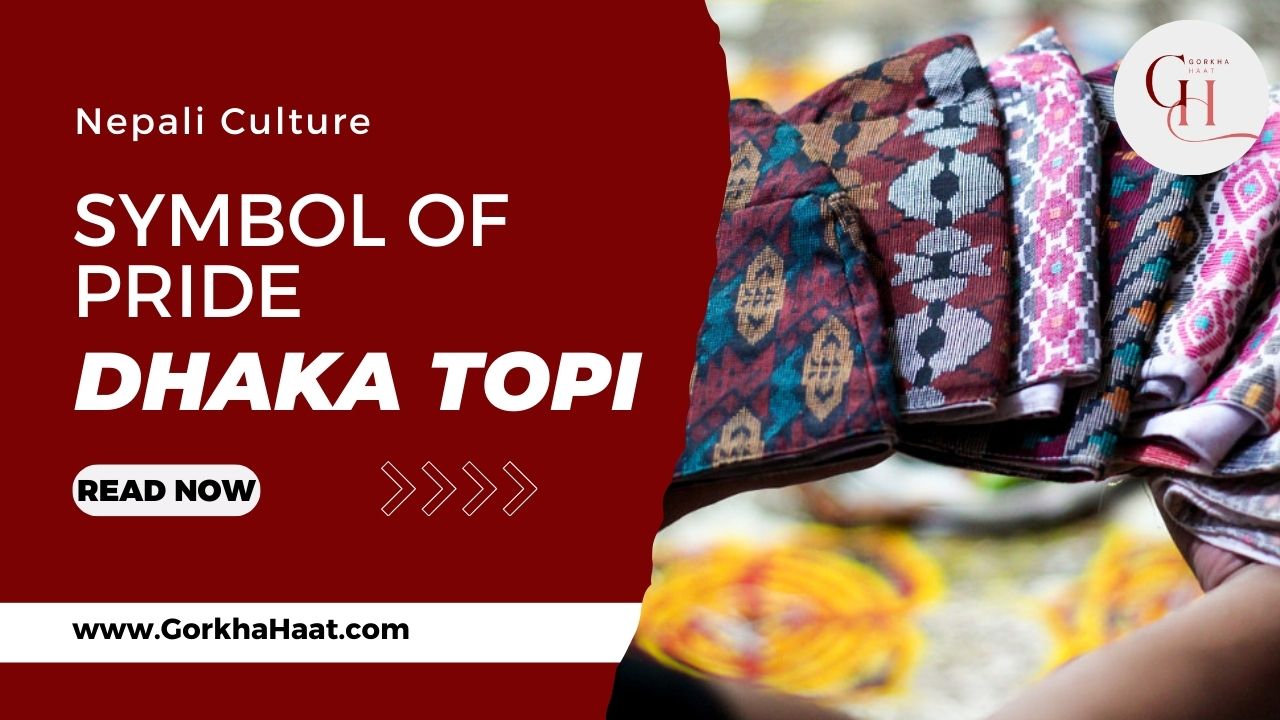
Here are some stunning examples of the Dhaka Topi in all its glory:
This close-up showcases the vibrant geometric patterns that make each topi unique.
Symbolism and Cultural Significance: More Than Just a Hat
The Dhaka Topi carries profound meaning. Its shape is said to represent the Himalayas—the round base symbolizes the mountains, while the height evokes snow-capped peaks. As one cultural expert notes, it signifies "the mountain after the melting of the ice," where water flows down to nourish greenery and vibrant flowers below—mirroring Nepal's life-giving rivers and the growth that follows hardship.
For Gorkhas, it's a symbol of valor and humility: worn high with pride yet reminding the wearer to bow in respect. It connects to our warrior heritage—Gurkha soldiers in British and Indian regiments often wear it with the khukuri cross, embodying courage.
In our community, the topi is worn during weddings, Dashain tika ceremonies, cultural dances, and festivals. It's a marker of identity amid the diaspora, helping us maintain ties to Nepal. Even in modern times, young Gorkhas pair it with jeans or traditional attire for a fusion look.
While some critique its historical promotion as imposing uniformity, for most Gorkhas it's embraced voluntarily as a badge of pride and unity.
How to Wear the Gorkha Hat: Styles and Tips
Wearing a Dhaka Topi is an art! The cap fits snugly just above the ears, with the front slightly tilted or centered. Traditional styles include:
Classic puff: The top is fluffed for volume.
Side tilt: Often slightly to the right, adding flair.
With badge: Khukuri cross for official or ceremonial wear.
Pair it with Daura Suruwal, Patuka (waistband), and Istacoat for full traditional look. In Darjeeling, we love it with woolen jackets in winter or during haat visits.
Here are some inspiring ways Gorkhas wear it:
A gentleman in full traditional attire, complete with khukuri.
The Gorkha Hat in Darjeeling: Our Local Twist
In Darjeeling, the Dhaka Topi is everywhere—at Gorkha Haat stalls, during Bhanu Jayanti celebrations, or in Gorkha cultural programs. Our versions often feature bold colors reflecting the hills' vibrancy, and many families have heirloom topis passed down generations.
We even have local weavers adapting patterns—some with Darjeeling tea motifs! It's a staple souvenir for visitors wanting authentic Gorkha heritage.
Caring for Your Dhaka Topi and Where to Buy
Handwash gently in cold water, air dry flat to preserve patterns. Store in a cool, dry place.
In Darjeeling, shop at Chowk Bazaar, Gorkha Haat, or online from local artisans. Prices range from affordable everyday versions to premium handwoven ones.
Personal Reflections: Why the Gorkha Hat Matters to Me
As a Darjeeling Gorkha, wearing the Dhaka Topi feels like carrying my ancestors on my head—their bravery, their love for the hills, their unshakeable pride. It's a reminder that no matter where we are, our roots remain strong.
Conclusion: Crown Your Heritage with the Gorkha Hat
The Gorkha Hat, or Dhaka Topi, is far more than fabric—it's a living emblem of identity, craftsmanship, and enduring spirit. For us in Darjeeling, it connects past to present, Nepal to the diaspora, and every Gorkha to one another. Whether you're donning it for a festival or keeping one as a cherished keepsake, let it remind you of the mountains we call home.
Visit Gorkha Haat to find your perfect topi—wear it with pride! Namaste from the hills.
Gorkha Haat Team
We share stories of authentic Nepali heritage, food, culture, and local markets.
Related Posts
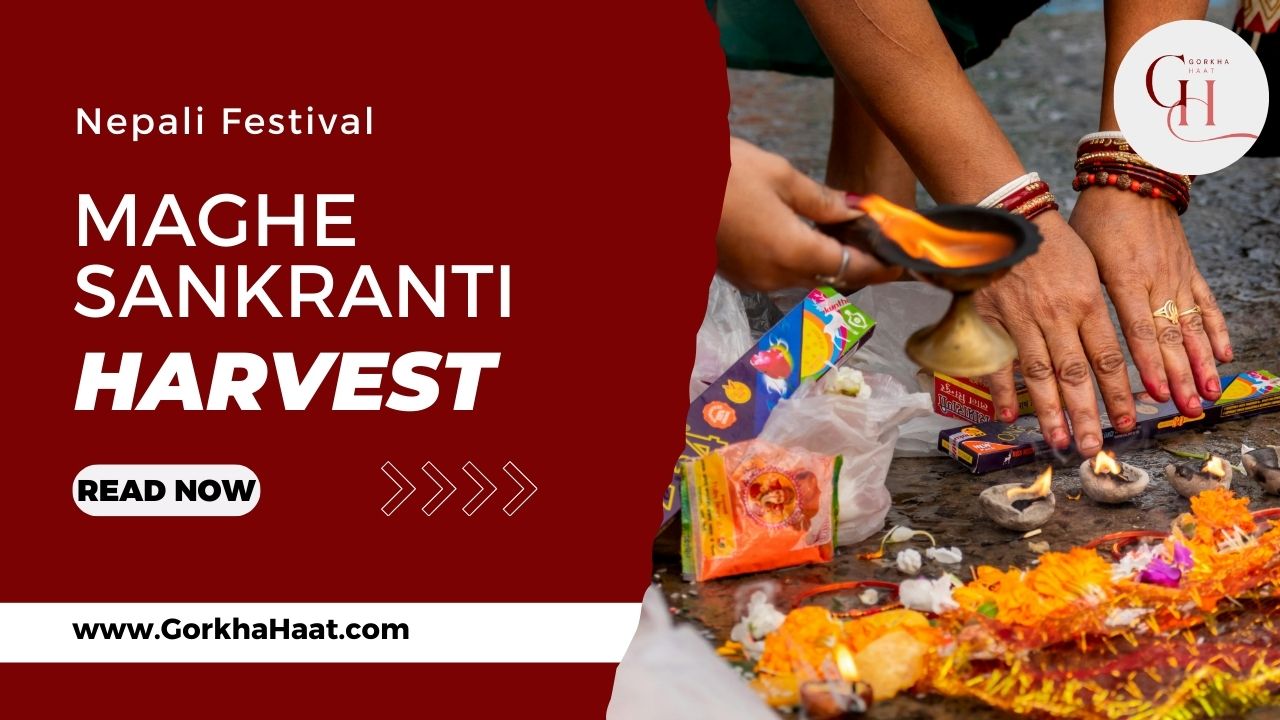
Maghe Sankranti in Darjeeling: Rituals, Foods, Significance & Nepali Traditions | Gorkha Haat
Maghe Sankranti is a major Nepali festival celebrating the Sun God, harvest, and community togetherness. Learn about its rituals, traditional foods, and cultural significance in Gorkha and across Nepal.
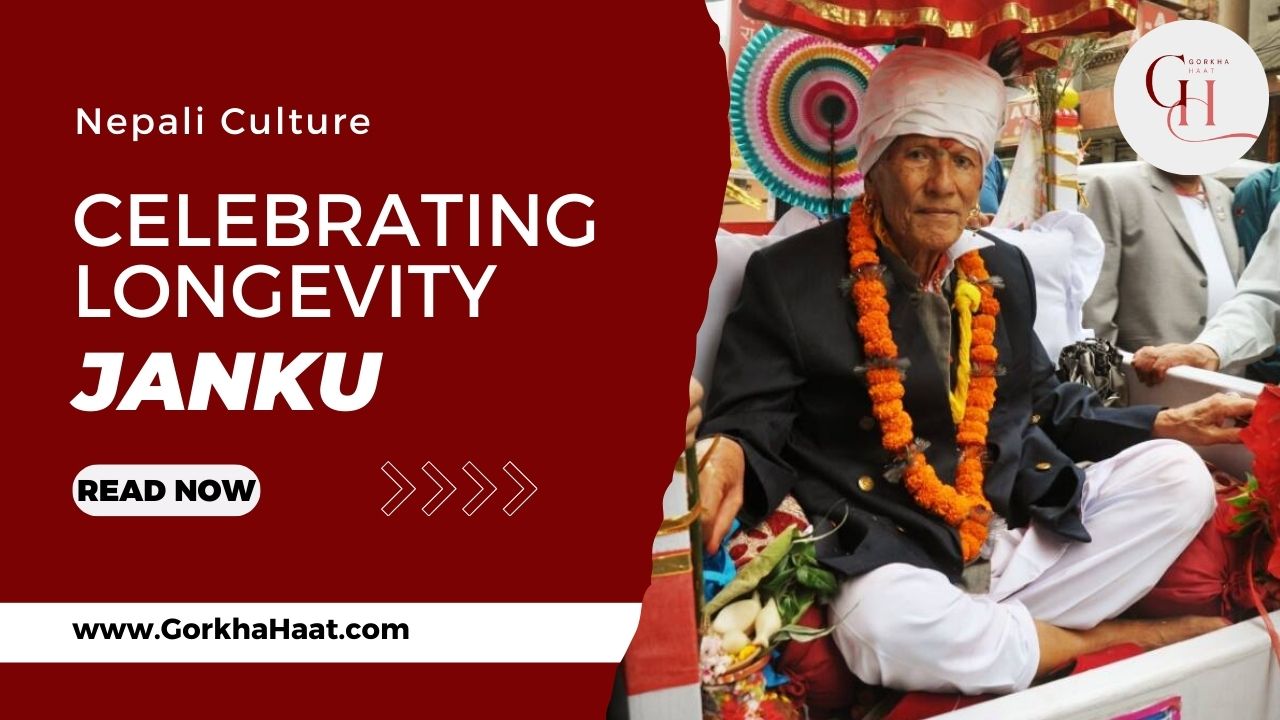
Janku Ceremony Nepal & Darjeeling: Newar Longevity Guide 2026
Discover Janku – Newar elders’ divine longevity ritual at 77, 88, 99 years. Rituals, significance & differences between Kathmandu Valley and Darjeeling Newar traditions.
Sel Roti Recipe: Authentic Darjeeling-Style Nepali Rice Doughnut for Dashain & Teej | Gorkha Haat
Sel Roti is a traditional Nepali rice doughnut enjoyed during festivals like Dashain, Tihar, and Maghe Sankranti. Learn about its origins, preparation, cultural significance, and modern variations.
Comments
User Name
This is an example comment. Users can leave feedback here.