Why Gorkha Known for Warrior Culture: History, Bravery & Gurkha Legacy 2026
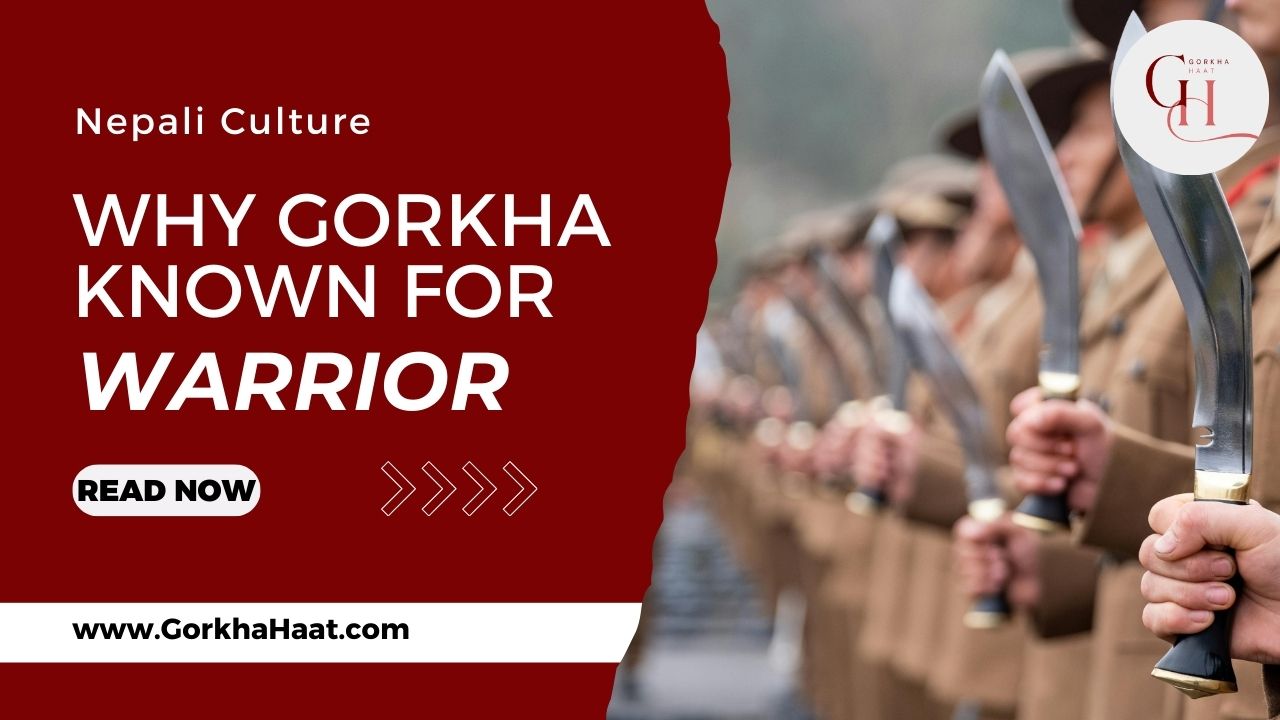
Why Gorkha is Known for Warrior Culture: The Unyielding Spirit Forged in Himalayan Hills and Battlefields – A Darjeeling Gorkha Reflection
Hello, dear readers of Gorkha Haat! Rajesh Gurung here, bundled against the evening chill in Darjeeling on this February day in 2026. As your dedicated content writer for this blog that celebrates our shared Gorkha heritage—from the profound symbolism of the khukuri and the bold flavors of kinema ko jhol to rare ethnic delicacies, traditional handicrafts, and vibrant festivals—today we explore one of the most defining aspects of our identity: why Gorkha is renowned worldwide for its warrior culture.
Gorkha isn't just a district or a kingdom—it's the cradle of a warrior ethos that has echoed through centuries. From the unification campaigns of Prithvi Narayan Shah to the legendary feats of Gurkha regiments in British, Indian, and Nepali armies, the people of Gorkha (and the broader hill tribes who formed its backbone) have earned a reputation for unmatched bravery, unbreakable loyalty, discipline, and a motto that says it all: "Kaphar hunnu bhanda marnu ramro" – Better to die than be a coward.
For us in Darjeeling, whose families migrated from these very hills during colonial times, this warrior culture isn't distant history—it's in our blood, our stories around the fire, the khukuri displayed in homes, and the pride we carry as Gorkhas. It's the reason we stand tall amid challenges, the reason our community rallies in times of need, and the reason the world still speaks of "Gurkha" with awe. In this in-depth exploration (over 2000 words!), we'll trace the origins of this warrior legacy, its key historical milestones, the cultural and environmental factors that shaped it, and why it endures today. Let's honor the spirit that made Gorkha legendary!
The Foundations: Hill Life and Ethnic Roots of Warrior Resilience
Gorkha's warrior culture didn't emerge overnight—it was forged by the unforgiving Himalayan terrain and the hardy ethnic groups who called it home. The district's steep valleys, high altitudes, and harsh winters demanded strength, endurance, and resourcefulness from early inhabitants—primarily Magar, Gurung, Rai, Limbu, and other Mongoloid hill tribes.
These communities lived as farmers, herders, and hunters, wielding tools like the khukuri for daily survival: clearing land, chopping wood, defending livestock from predators. This constant physical demand built exceptional fitness and mental toughness. Unlike lowland kingdoms with large standing armies, Gorkha's forces were citizen-soldiers—every able man was a potential warrior, trained from youth in marksmanship, khukuri handling, and guerrilla tactics suited to mountainous terrain.
The name "Gorkha" itself ties to the Hindu warrior-saint Gorakhnath, whose shrine in Gorkha District symbolizes protection and martial prowess. Early legends describe Gorkha's people as fierce defenders of their valleys, clashing with neighboring principalities in the fragmented pre-unification era.
This foundation—harsh environment + martial ethnic traditions + self-reliance—created a culture where bravery was not optional but essential for survival.
A rugged Gorkha hillside village—where warrior spirit was born from the land itself.
Traditional Gurung and Magar hill communities—roots of enduring resilience.
Prithvi Narayan Shah and the Birth of Modern Gorkhali Warrior Identity
The turning point came in the 18th century with Prithvi Narayan Shah, the visionary king of Gorkha who unified Nepal. Ascending in 1743, he transformed a small hill principality into a powerful kingdom through strategic brilliance and an elite fighting force drawn from local tribes.
Prithvi Narayan emphasized discipline, loyalty, and self-sufficiency—principles that became the core of Gorkhali warrior culture. His army, known as Gorkhalis (later Gurkhas), was small but highly motivated, using terrain knowledge, rapid maneuvers, and the khukuri for devastating close combat. They conquered the Kathmandu Valley in 1768–69, overcoming larger Malla forces through sheer determination and tactical superiority.
In his Dibya Upadesh (Divine Counsels), Prithvi Narayan urged unity, self-reliance, and readiness to defend the nation—values that defined the Gorkhali ethos. The khukuri became the symbol of this new identity: a humble tool elevated to national weapon.
This unification era established Gorkha as the heart of Nepal's martial tradition, with the warrior culture spreading as the kingdom expanded.
Historical portrayal of Prithvi Narayan Shah—architect of Gorkhali warrior legacy.
Gorkhali forces during unification campaigns—fearless and disciplined.
The Anglo-Nepalese War and the Birth of the Global Gurkha Legend
The reputation exploded internationally during the Anglo-Nepalese War (1814–1816). The expanding Gorkha Kingdom clashed with the British East India Company, leading to fierce battles in the hills and Terai.
Despite eventual defeat (due to British artillery superiority), Gorkhali soldiers impressed the British with their tenacity, marksmanship, and khukuri prowess. British officers noted how Gurkhas fought to the last, refusing surrender even when outnumbered. The peace treaty (Treaty of Sugauli) allowed British recruitment of Gurkhas—marking the start of their legendary service in foreign armies.
From this war onward, "Gurkha" became synonymous with fearless, loyal warriors. The British formed regiments like the Nasiri (later 1st Gurkha Rifles), praising their discipline and courage.
In Darjeeling, this era resonates—many families trace service in these early regiments, carrying the pride forward.
A scene from the Anglo-Nepalese War—Gurkhas holding the line with khukuris.
British officers recruiting impressed Gurkhas—birth of a global legend.
Gurkha Regiments: Bravery in World Wars and Beyond
The Gurkhas' reputation solidified through two World Wars, the Falklands, and modern conflicts. In World War I and II, over 200,000 Gurkhas served, earning 13 Victoria Crosses (Britain's highest gallantry award) and countless other honors. Stories abound: a single Gurkha holding off battalions, charging tanks with khukuris, or fighting hand-to-hand with unmatched ferocity.
Their motto—"Better to die than be a coward"—and war cry "Ayo Gorkhali!" ("The Gurkhas are coming!") struck terror in enemies. British commanders called them "the bravest of the brave."
In Indian and Nepali armies, Gurkha units continue this legacy, known for professionalism and loyalty. The warrior culture—discipline, honor, self-sacrifice—remains intact.
Gurkha soldiers in World War trenches—unyielding bravery.
A modern Gurkha with khukuri—legacy lives on.
The Warrior Ethos: Motto, Khukuri, and Cultural Values
Central to Gorkha's warrior culture is the ethos: courage over comfort, loyalty above all, honor in battle. The motto "Kaphar hunnu bhanda marnu ramro" encapsulates this—no shame in death, only in cowardice.
The khukuri reinforces it: drawn in combat, it must "taste blood" (legend says), symbolizing commitment. It's both tool and talisman—worn daily, used in rituals, carried with pride.
Cultural values—discipline from hill life, loyalty to kin and nation, humility in victory—complete the picture. Even in peace, Gorkhas embody quiet strength.
The khukuri as eternal symbol—valor embodied in steel.
Gurkha motto inscribed—better to die than be a coward.
Why the Reputation Endures: Environment, History, and Modern Pride
Gorkha's warrior culture persists due to:
Geography — Mountains bred toughness.
History — Unification and colonial service proved mettle.
Selection — Rigorous recruitment favors resilience.
Training — Instills discipline and loyalty.
Community — Pride passed generationally.
In Darjeeling, this ethos fuels our resilience—facing challenges with the same unyielding spirit.
Personal Reflections: Gorkha Warrior Culture in My Darjeeling Life
Growing up here, warrior stories were bedtime tales—uncles who served, khukuris on walls. It taught me strength isn't loud aggression but quiet determination. Our culture reminds us: true warriors protect, endure, and honor their roots.
Conclusion: Gorkha's Warrior Culture – An Eternal Flame
Gorkha is known for warrior culture because it was forged in adversity, proven in unification and global wars, and sustained by unbreakable values. It's not just history—it's who we are: brave, loyal, resilient Gorkhas.
Carry this spirit proudly—whether in uniform or daily life. Stay with Gorkha Haat for more tales from our legacy. Namaste from the hills!
Gorkha Haat Team
We share stories of authentic Nepali heritage, food, culture, and local markets.
Related Posts
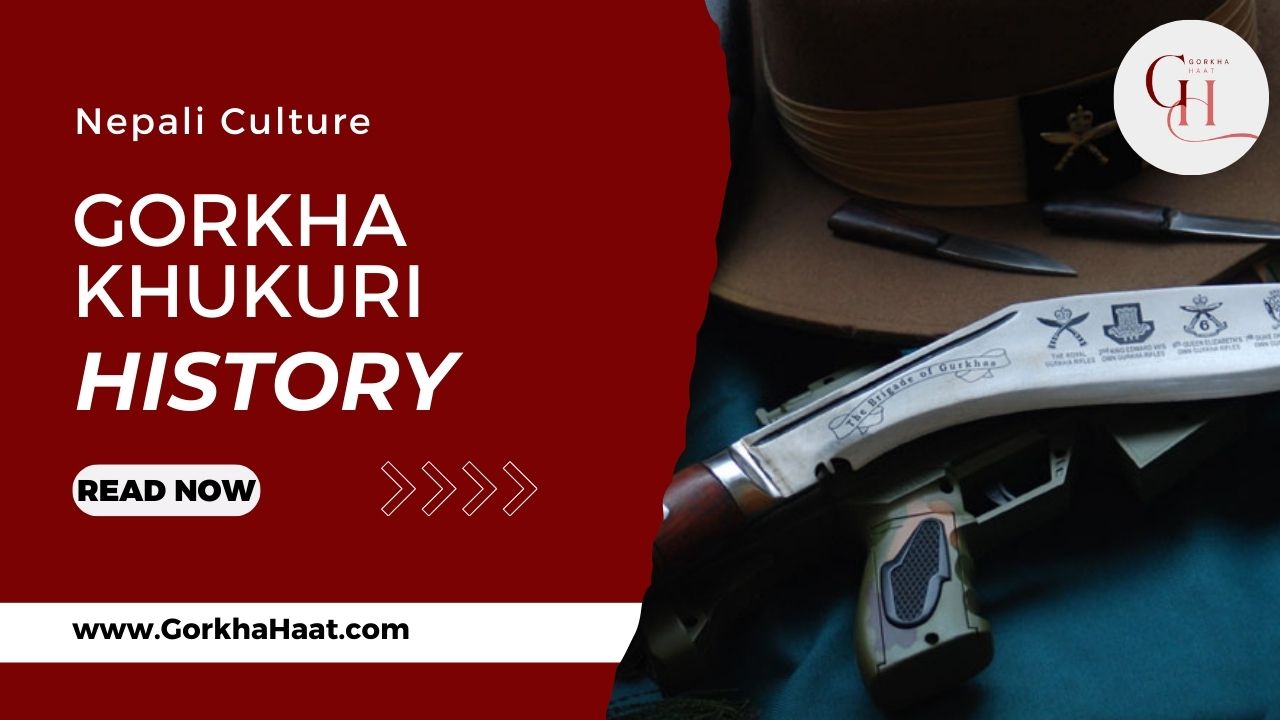
Gorkha Khukuri Kukri: History, Types & Significance in Darjeeling 2026
Discover the Gorkha Khukuri (Kukri) – the iconic curved knife of Nepal. Explore its history, blade types, craftsmanship, and deep cultural role in Darjeeling's Gorkha community. Guide to authentic khukuri knives!
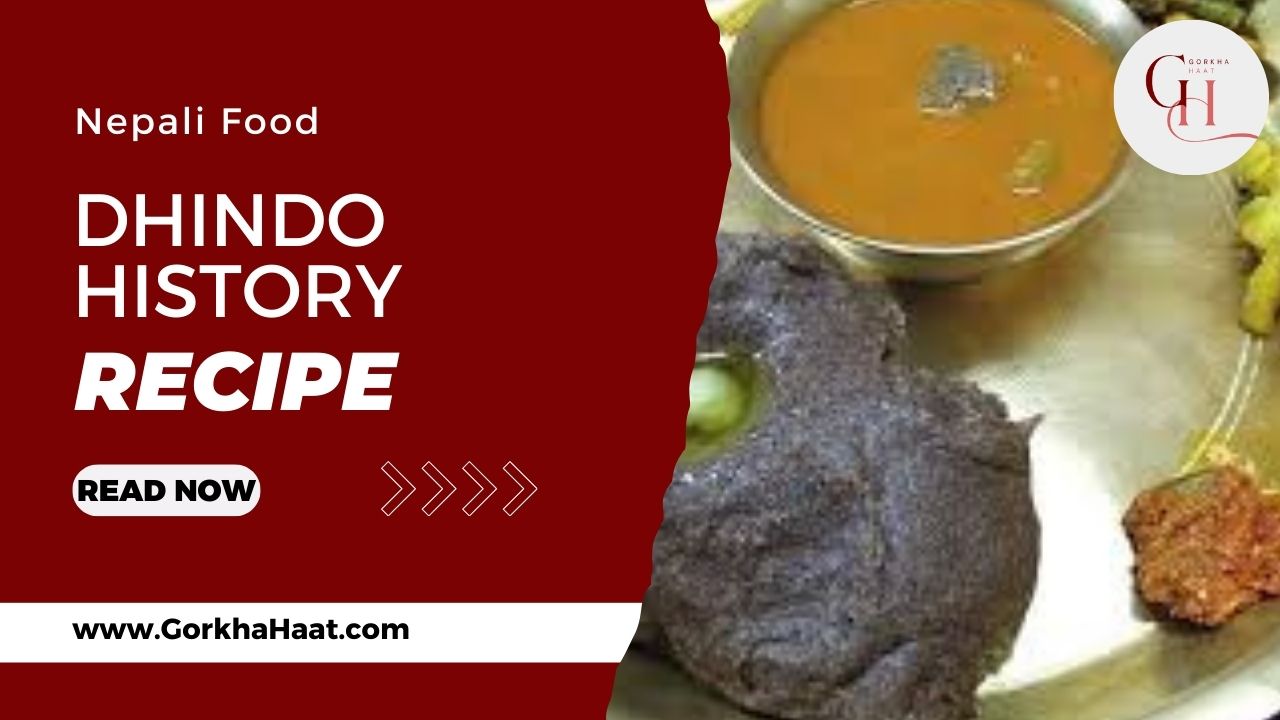
Nepali Food Dhindo Recipe: Authentic Darjeeling Himalayan Staple Food with Gundruk & Sisnu | Gorkha Haat
Dhindo is a traditional Nepali staple made from buckwheat, millet, or maize flour. Rich in history, nutrition, and cultural significance, it remains one of Nepal’s most beloved Himalayan foods. Learn its origins, preparation, benefits, and why it continues to be a national favorite.
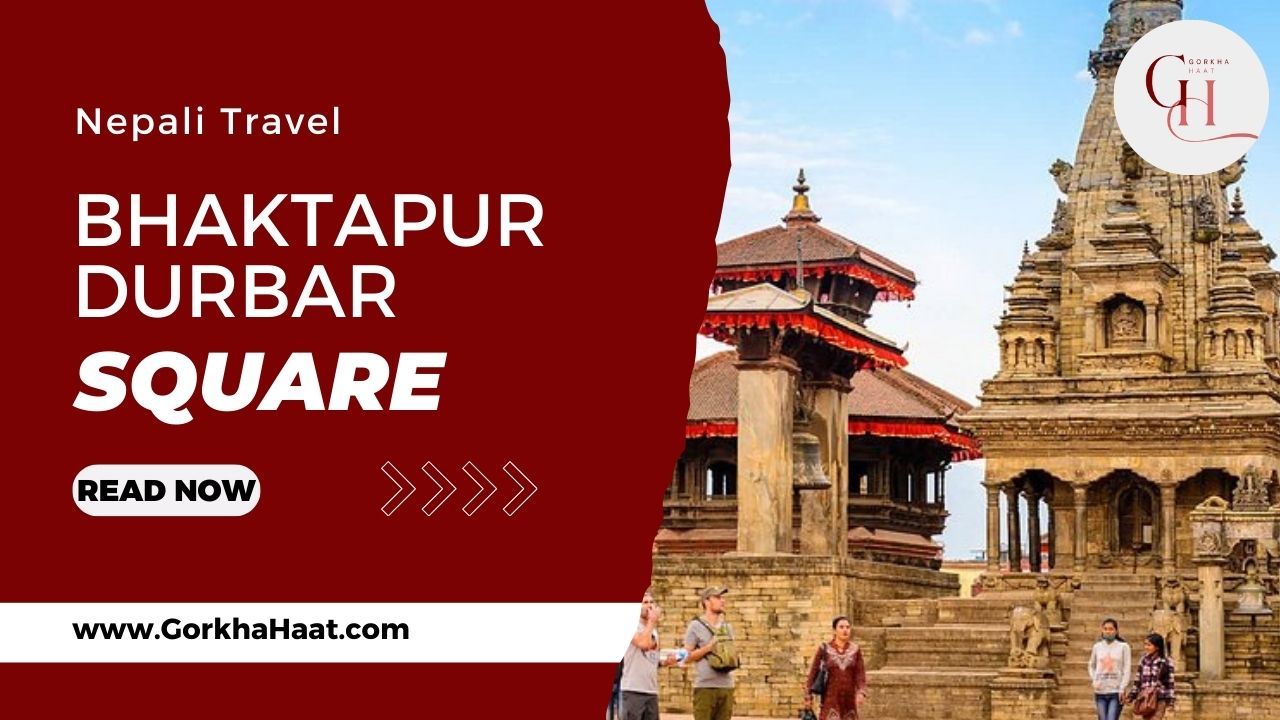
Bhaktapur Durbar Square: History, Temples & Complete Travel Guide (2026)
Bhaktapur Durbar Square is a UNESCO World Heritage Site known for its ancient palaces, temples, wood carvings, and vibrant Newar culture. A living museum of Nepal’s history, it continues to preserve traditional craftsmanship, festivals, and royal heritage in the most authentic form.
Comments
User Name
This is an example comment. Users can leave feedback here.