Reviving the Gundri Bazaar: The Vibrant World of Gorkha Haat in Darjeeling, Queen of Hills
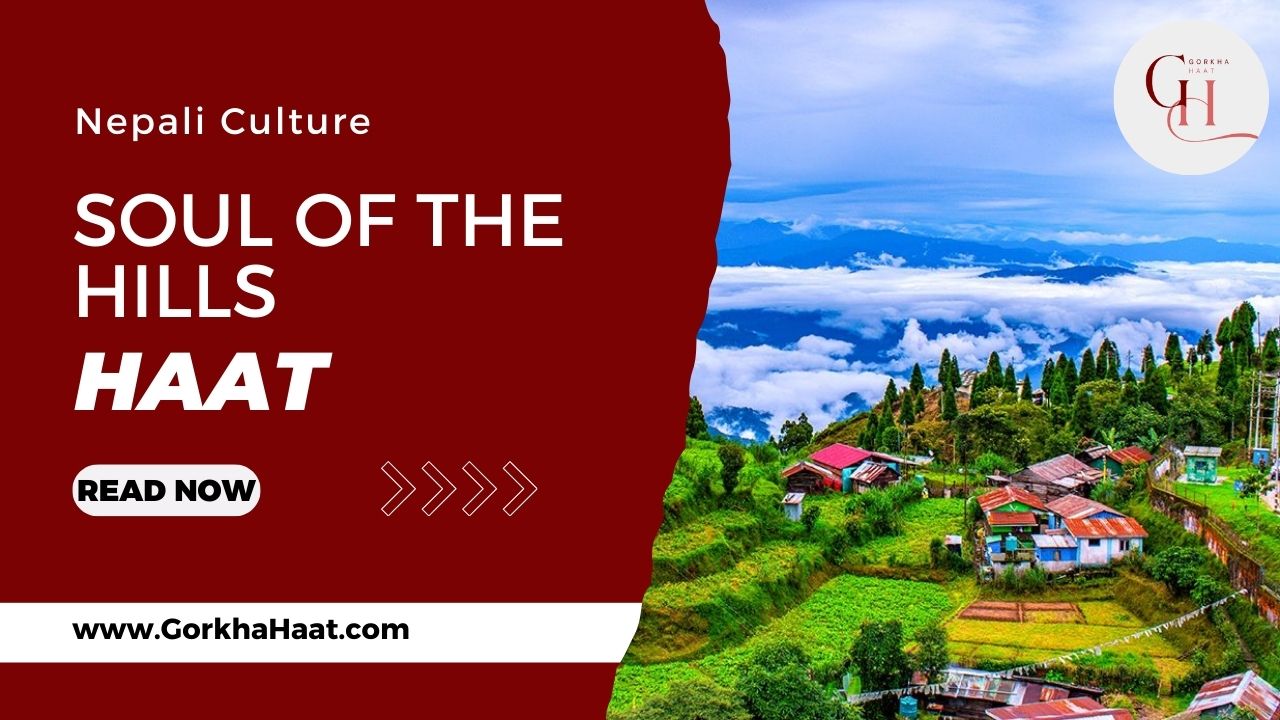
Hello again, dear readers of Gorkha Haat! It's Rajesh Gurung here, writing from the cool, misty mornings of Darjeeling, where the scent of pine mixes with the aroma of fresh momos and brewing tea. As your go-to content writer for this blog, I feel a special thrill in penning this piece because Gorkha Haat isn't just the name of our platform—it's a living, breathing tradition that pulses through the veins of our hill community. Our blog, Gorkha Haat, draws inspiration from the real, revived weekly markets (haats) that bring together Gorkha artisans, farmers, food vendors, and families in Darjeeling. These haats represent our resilience, cultural pride, and the joy of coming together in the shadow of Kanchenjunga.
In recent years, especially since mid-2024, the Gorkhey Haat (or Gorkha Haat) has been enthusiastically revived by passionate groups like the Gorkha Haat Samuha. What was once a forgotten yet timeless custom of open-air weekly bazaars has bounced back stronger, offering everything from organic produce and street food to handmade handicrafts and traditional attire. Whether you're a local Gorkha reconnecting with roots or a visitor eager to experience authentic hill life, Gorkha Haat is the heartbeat of Darjeeling's cultural scene. In this detailed guide (over 2000 words!), I'll explore its history, significance, what to expect, must-try items, and why it's more than just a market—it's a celebration of Gorkha identity. Let's dive in!
The Roots of Haat: A Forgotten Tradition Reborn in Darjeeling
The concept of "haat" or weekly market is ancient across the Himalayas and South Asia—from Nepal and Bhutan to Bangladesh and Myanmar. In the Darjeeling hills, haats were once the lifeblood of rural communities. Before modern shops dominated, villagers from surrounding areas would gather on fixed days (often Thursdays or Sundays) to trade goods, socialize, and celebrate. Vintage photos of Chowk Bazaar (once called Gundri Bazaar) show open spaces filled with bamboo nanglos (winnowing trays) and baskets displaying produce, woolens, and tools. These gatherings were social hubs where news was shared, marriages arranged, and festivals anticipated.
In places like Kalimpong, the Thursday Haat Bazar near the train tracks has survived as a testament to this legacy, with its lively mix of vendors and mountain views. However, in Darjeeling town, urbanization, fixed shops, and administrative hurdles led to the decline of traditional haats. By the late 20th century, they were largely forgotten amid the rise of malls and online shopping.
The revival began in June 2024 when the Gorkha Haat Samuha—a dedicated group of locals—took initiative. Starting modestly in the Himalaya Kala Mandir Hall (due to initial permission issues for open spaces), the first haat quickly gained momentum. After persistent efforts, they secured spots on HD Lama Road and JP Sharma Road, transforming them into bustling Thursday markets with over 100 stalls. This resurgence honors our Gorkha heritage while adapting to modern needs, supporting women entrepreneurs, organic farmers, and artisans. It's a movement to preserve what makes us unique in the face of globalization.
From a Darjeeling Gorkha perspective, this revival is deeply personal. Many of our families migrated from Nepal during the British era for tea plantations, carrying traditions like haats. Reviving them reinforces our identity amid ongoing discussions of cultural recognition. Gorkha Haat isn't just commerce—it's community, continuity, and pride.
Gorkhey Haat Gundri Bazaar, a forgotten culture of the hills has ...
What Makes Gorkha Haat Special: A Sensory Feast for the Senses
Stepping into a Gorkha Haat feels like entering a living postcard of the hills. The air buzzes with chatter in Nepali dialects, the sizzle of street food, and the rhythmic bargaining. Vendors from nearby villages set up stalls displaying fresh, seasonal goods—organic vegetables from local farms, hill honey, handmade soaps, and spices.
Food is the star! Legendary momo stalls serve steaming batches of chicken, buff, or veg momos with fiery chutney—using free-range meat and organic ingredients. Try Wachipa (a Rai specialty chicken fried rice), sel roti (rice doughnuts), gundruk (fermented greens), or chatamari (Nepali pizza). Sweet treats like yomari and fresh juju dhau (curd) round it out. For drinks, sip tongba (millet beer) or local raksi.
Beyond food, the haat shines in handicrafts. Artisans display Dhaka topi (traditional Nepali caps with vibrant patterns), woolen shawls, jackets, and blankets. You'll find intricate bamboo baskets, wood carvings, and brass items. The highlight? Authentic Gorkha khukuri—curved knives in decorative sheaths, symbolizing bravery. These items blend Nepali, Tibetan, and Lepcha influences, showcasing our multicultural fabric.
Cultural performances often add magic—folk dances like Maruni or Chyabrung, with colorful attire and traditional music. During festivals, the haat becomes festive with lights, decorations, and special stalls for Diwali or Dashain preparations.
The community aspect is profound. Women entrepreneurs get platforms, farmers sell directly, and visitors interact with locals. It's eco-friendly, promoting sustainability and reducing middlemen.
Exploring Gorkhey's Unique Local Organic Market #gorkheyhaat - YouTube
Must-Visit Spots and Practical Guide to Experiencing Gorkha Haat
The main Thursday Gorkha Haat is on HD Lama Road and JP Sharma Road, near Chowk Bazaar—easy to find by asking locals. It runs from morning to evening, peaking in the afternoon.
Another variant is the Sunday Aitabara Gorkha Haat on the rooftop of the multi-level parking plaza along Lebong Cart Road (near Darjeeling Government College). This innovative "futurist" setup by the municipality clears parking for vendors, supporting women entrepreneurs amid parking woes.
For handicrafts, browse stalls for Dhaka topi, khukuri, woolens, and bamboo items. Food lovers: head to momo and Wachipa vendors early for fresh batches.
Tips for visitors: Wear comfortable shoes for hilly terrain, carry cash (many stalls don't accept cards), bargain politely, and support local by buying directly. Best months are March-May or September-November for pleasant weather. Avoid monsoons for slippery paths.
From Darjeeling town, it's a short walk or taxi ride. Combine with Chowk Bazaar shopping or a toy train ride for a full day.
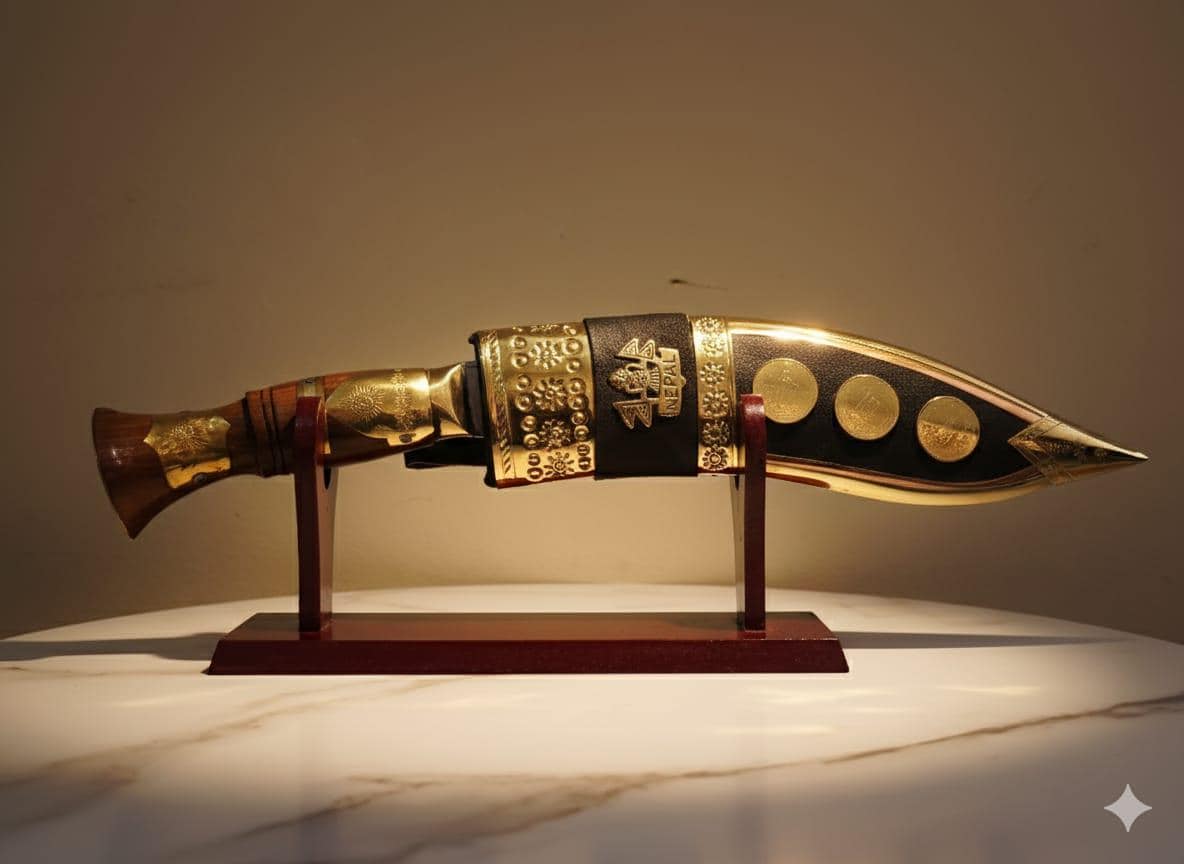
Handcrafted Nepali Khukuri: Brass and Wood Showpiece Khukuri With ...
The Cultural and Social Impact: Why Gorkha Haat Matters Today
In a world of malls, Gorkha Haat preserves heritage. It fosters unity among Gorkhas, Rai, Limbu, Gurung, Magar, and others, echoing our shared history. It empowers locals economically, especially women and farmers, while promoting organic, sustainable practices.
Culturally, it revives traditions like folk dances, traditional attire, and seasonal foods. During festivals, it becomes a hub for celebrations, strengthening community bonds.
For the Gorkha diaspora, including our blog readers, it's a reminder of roots. Our blog mirrors this spirit, sharing stories of food, heritage, and pride.
Personal Reflections: My Connection to Gorkha Haat
As a Darjeeling native, Gorkha Haat feels like home. I recall childhood visits with family, the excitement of new khukuri or fresh momos. The revival fills me with hope—it's proof our culture thrives.
Visiting reminds me of resilience. Amid challenges, we gather, trade, laugh, and preserve identity. It's inspiring for our blog, which aims to celebrate and share Gorkha heritage globally.
Extending the Experience: Beyond the Haat
Pair your visit with Darjeeling's attractions: Chowk Bazaar for more shopping, Tibetan Refugee Self-Help Centre for carpets and shawls, or tea estates. Explore Kalimpong's Haat Bazar for variety.
Conclusion: Come, Experience the Magic of Gorkha Haat
Gorkha Haat is more than a market—it's the soul of Darjeeling's Gorkha community, a bridge between past and present, tradition and innovation. Whether seeking authentic handicrafts like khukuri and Dhaka topi, savoring legendary momos, or immersing in cultural vibes, it offers an unforgettable experience.
If you're in Darjeeling, mark your calendar for Thursday (or Sunday variants). Let the hills welcome you. Stay tuned to Gorkha Haat for more—namaste from the misty mountains!
Gorkha Haat Team
We share stories of authentic Nepali heritage, food, culture, and local markets.
Related Posts
How Hill Families Prepare for Winter in Darjeeling
Discover authentic ways Darjeeling hill families prepare for winter: from home insulation and traditional foods like thukpa to cultural festivals.
Tihar Festival Nepal & Darjeeling - Queen of Hills : Full Guide & Rituals
Explore Tihar (Deepawali) – Nepal’s Festival of Lights with Kukur Tihar, Lakshmi Puja, Bhai Tika. Rituals, significance & differences between Nepal and Darjeeling Gorkha celebrations.
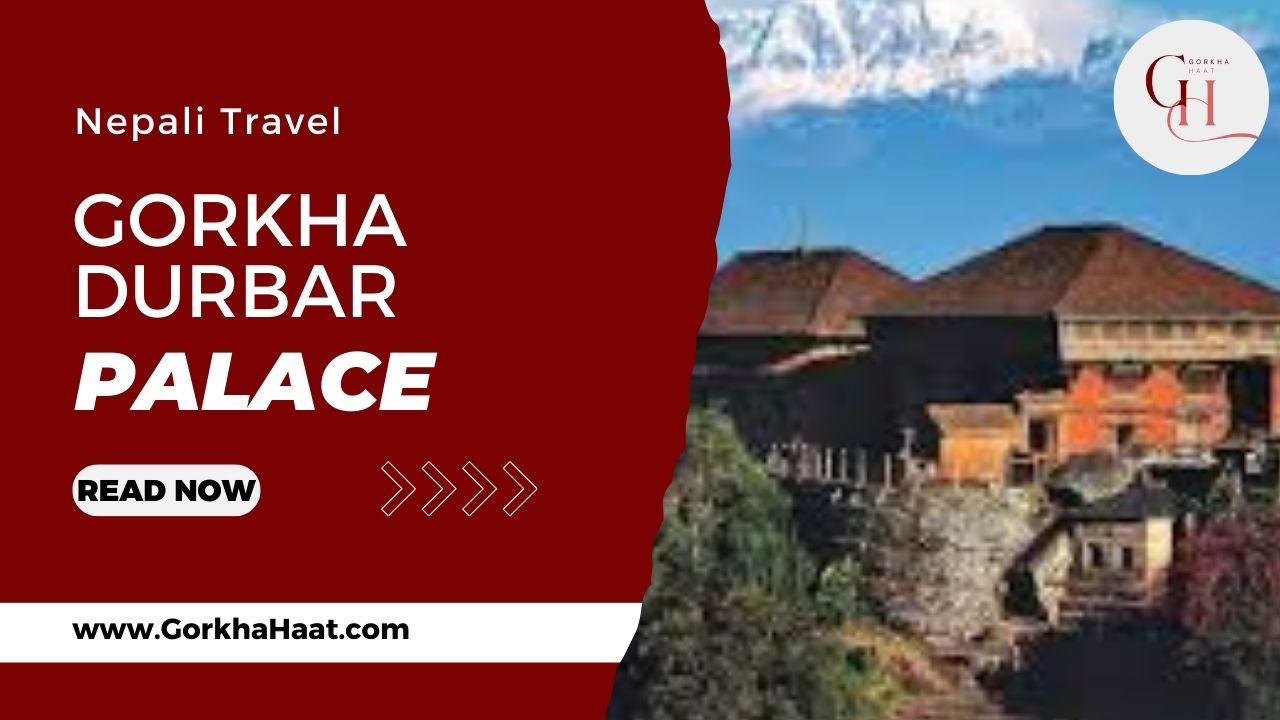
Gorkha Durbar: History, Architecture & Heritage Significance of Nepal’s Iconic Hilltop Palace
Gorkha Durbar is a historic hilltop palace known as the birthplace of Nepal’s unification. Blending Newa craftsmanship, temples, and panoramic Himalayan views, it remains one of Nepal’s most culturally significant heritage sites.
Comments
User Name
This is an example comment. Users can leave feedback here.