Gundruk Sadeko Recipe: Tangy Fermented Greens Salad from Darjeeling Hills | Gorkha Haat
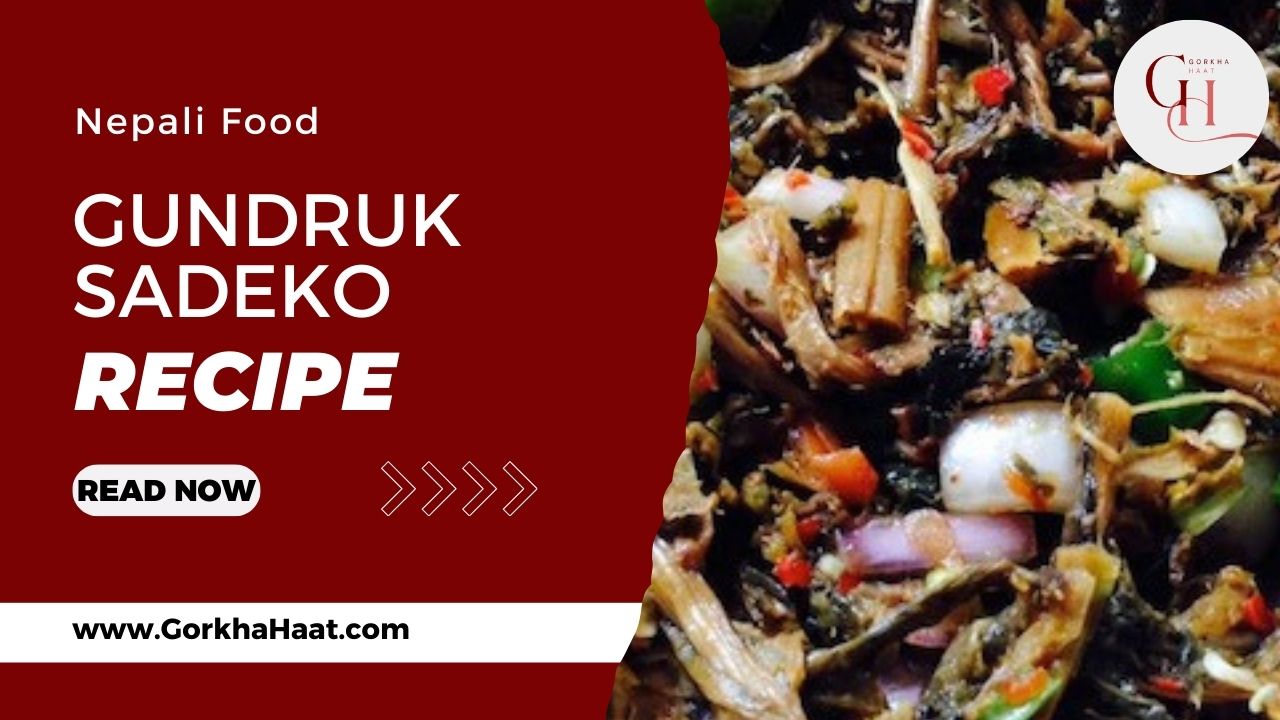
Gundruk Sadeko: Darjeeling’s Tangy Fermented Greens Salad – A Himalayan Superfood Tradition
In the high-altitude kitchens of Darjeeling, Kurseong, Kalimpong, and the terraced villages around Gorkha Haat, winter means one thing: the sharp, tangy aroma of Gundruk Sadeko wafting from every home. This vibrant, spiced salad made from fermented and sun-dried leafy greens is the soul of hill cuisine—a probiotic powerhouse that turns simple mustard or radish leaves into a flavor explosion of sourness, heat, and umami.
At Gorkha Haat, our vendors toss fresh batches of Gundruk Sadeko with roasted soybeans, chilies, and a squeeze of lemon, serving it alongside steaming Dhindo or as a zesty side to Momos. One spoonful—that perfect balance of crunch, tang, and spice—and you'll feel the warmth spreading through your body, fighting off the Himalayan chill like nothing else.
Origins and Ancient Roots of Gundruk
Gundruk (गुन्द्रुक) traces its origins to the resourceful farming communities of Nepal's mid-hills and the Himalayan belt, where preserving surplus greens during the short growing season was essential for survival. The process—wilting, fermenting, and sun-drying leafy vegetables like mustard (rayo), radish (mula), cauliflower leaves, or even sisnu (stinging nettle)—dates back centuries, likely to pre-modern times when refrigeration was unimaginable.
In eastern Nepal's Gorkha, Ilam, and Dhankuta districts, families perfected the lactic acid fermentation that gives Gundruk its distinctive sour taste and long shelf life. When Gorkha-Nepali settlers moved to Darjeeling in the 19th century to work on tea plantations, they brought this preservation technique with them. Today, Gundruk is a cornerstone of identity—symbolizing resilience, zero-waste living, and a deep connection to the land.
UNESCO recognized Gundruk in 2017 as part of Nepal's intangible cultural heritage, highlighting its role in food security and traditional knowledge.
Gundruk in Darjeeling and the Surrounding Hills
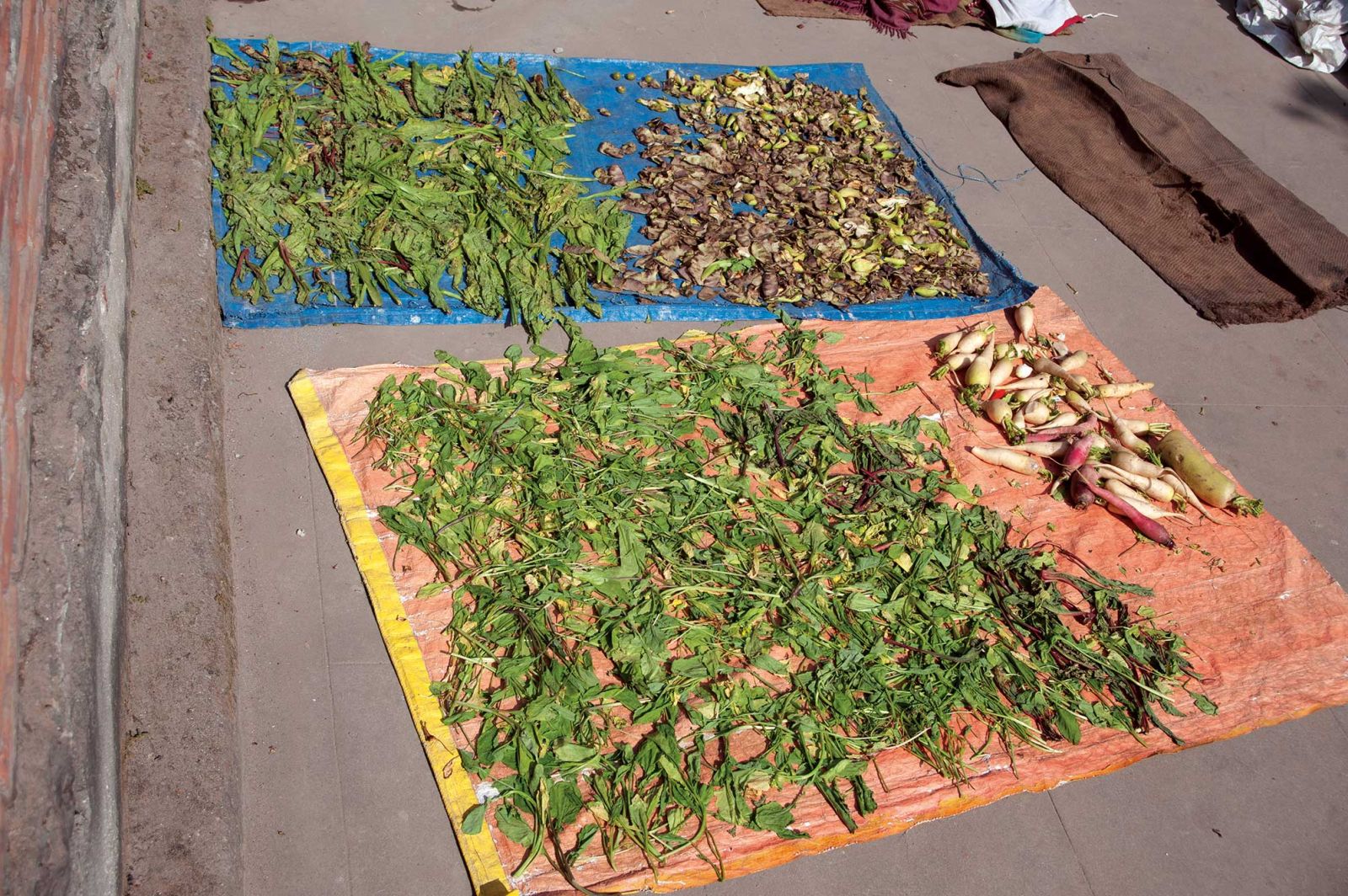
In Darjeeling's crisp winters, every household prepares Gundruk. Women harvest abundant monsoon greens, wilt them in the shade, pound lightly, pack into earthen pots or bamboo baskets for natural fermentation (7–10 days), then spread on bamboo mats to sun-dry into dark, crunchy flakes.
The result? A year-round ingredient used in soups (Gundruk ko Jhol with potatoes and timur), curries, pickles, or as Sadeko—a fresh, no-cook salad.
Kalimpong's markets sell premium homemade Gundruk, often mixed with sisnu for extra nutrition. In Kurseong and Mirik homestays, guests learn the fermentation process hands-on. At Gorkha Haat, Sadeko is a street-food star—tossed with bhatmas sadeko (roasted soybeans), making it a protein-packed vegan delight.
Authentic Darjeeling-Style Gundruk Sadeko Recipe (Serves 4–6)
Ingredients
200g dried Gundruk (soaked in warm water 15–20 mins, drained, squeezed dry)
1 cup roasted soybeans (bhatmas chiura, lightly crushed)
2–3 medium tomatoes, finely chopped
1 large onion, finely sliced
3–4 green chilies, chopped (adjust spice)
1-inch ginger, julienned or grated
Fresh coriander, chopped
Juice of 1–2 lemons (or local hill lime)
1 tsp timur powder (Sichuan pepper, for authentic zing)
½ tsp red chili powder
2 tbsp mustard oil (heated and cooled)
Salt to taste
Method
Prep Gundruk: Soak dried Gundruk, drain well, and chop roughly if needed.
Mix Base: In a large bowl, combine Gundruk, soybeans, tomatoes, onion, chilies, ginger, and coriander.
Season: Add timur, chili powder, salt, and lemon juice. Drizzle mustard oil.
Toss & Rest: Mix thoroughly with hands (traditional way) for flavors to meld. Let rest 10–15 mins.
Serve: Enjoy at room temperature with Dhindo, rice, or as a side.
Pro Tips from Gorkha Haat Aunties
Use homemade Gundruk for best sourness—store-bought can be milder.
Roast sesame seeds and add for nutty depth.
For non-veg twist: Add dried fish flakes.
Adjust lemon for extra tang in winter.
Variations Across the Hills
Classic Sadeko → With bhatmas and timur
Gundruk-Bhatmas Mix → Equal parts for crunch
With Aloo → Boiled potato cubes for heartiness
Jhol Version → Soaked Gundruk simmered into soup
Sisnu Gundruk → Nettle-infused for wild flavor
Health Benefits: Why Gundruk Is a Superfood
Probiotic-rich — Natural fermentation boosts gut health
High in vitamins — C, A, K from greens
Mineral-packed — Iron, calcium, magnesium
Antioxidant boost — From fermentation process
Low-calorie, high-fiber — Aids digestion and immunity
Perfect for high-altitude living—combats anemia and colds
Gundruk in Modern Times
Once a survival food, Gundruk is now a health trend—sold in organic stores across India, featured in Delhi's Nepali restaurants, and exported globally. In Darjeeling, eco-tourism includes Gundruk-making workshops, while chefs fuse it into salads or kimchi-style sides.
Conclusion
Gundruk Sadeko is the tangy heartbeat of Darjeeling's Gorkha-Nepali tables—a dish born of necessity that became a celebration of flavor, health, and heritage. From sun-drying racks on village rooftops to vibrant bowls at Gorkha Haat, it reminds us that the simplest traditions often hold the deepest wisdom.
This winter, try a plate of Gundruk Sadeko. Let its sour-spicy magic warm you from within, and carry a piece of the Himalayas home.
Gorkha Haat Team
We share stories of authentic Nepali heritage, food, culture, and local markets.
Related Posts
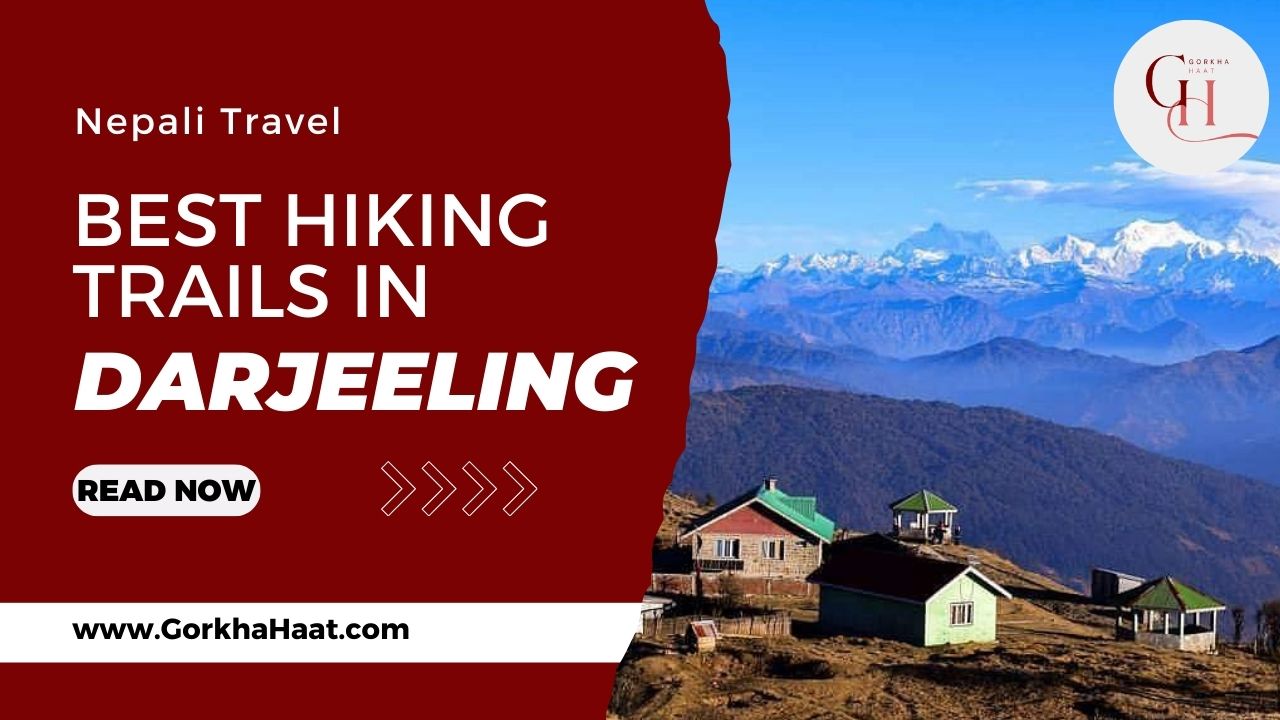
Best Hiking Trails in Darjeeling - Queen of Hills, Kalimpong, Kurseong & Mirik | Gorkha Haat
Explore top hiking trails in Darjeeling hills—from Sandakphu Singalila Ridge to Mirik lake walks. Detailed guides for Darjeeling, Kalimpong, Kurseong & Mirik with tips, views & homestay connections at Gorkha Haat.
Tea Time in the Hills: Darjeeling Tea Culture, Estates & Traditions | Gorkha Haat
Discover the rich Darjeeling tea culture — from first flush to high tea rituals in Darjeeling, Kalimpong, Kurseong & Mirik. Explore estates, homestay experiences, and authentic Himalayan tea traditions at Gorkha Haat.

Bratabandha Ceremony in Nepal & Darjeeling: Meaning, Rituals, Traditions & Cultural Significance
Explore Bratabandha (Upanayana) – sacred thread ceremony rituals, Gayatri Mantra, Janeu significance & differences between Nepal and Darjeeling Gorkha traditions.
Comments
User Name
This is an example comment. Users can leave feedback here.