Tihar Festival Nepal & Darjeeling - Queen of Hills : Full Guide & Rituals
Tihar Festival: Nepal’s Festival of Lights – Celebrations in the Homeland and Darjeeling’s Gorkha Hills
Namaste from the glowing hills of Darjeeling! As your Gorkha Haat writer, with the cool November breeze carrying the scent of marigold garlands and the twinkle of countless diyo lamps lighting up our tea garden homes, Tihar feels like magic in the air. Known as Deepawali or the Festival of Lights, this five-day celebration honours animals, siblings, and the goddess of wealth – a beautiful tapestry of gratitude, family bonds, and illumination chasing away darkness.
In Nepal, Tihar is a radiant national festival rivaling Dashain in joy. Here in Darjeeling, Kalimpong, Kurseong, and among our Indian Gorkha community, we embrace it with the same devotion but add our hill charm – intimate gatherings, local flavours, and a touch of syncretism with neighbouring cultures. Whether it's dogs wagging tails with tika or sisters circling brothers in prayer, Tihar reminds us to honour all beings. Let’s delve into its mythology, rituals, and how this luminous festival sparkles differently in Nepal’s valleys and our misty mountains.


The Mythology and Significance of Tihar
Tihar celebrates Lakshmi, the goddess of wealth, who visits clean, well-lit homes. It also honours Yama (god of death) and his sister Yamuna, whose bond inspired Bhai Tika. Stories include crows as messengers of Yama, dogs guarding the underworld, cows as Lakshmi's vehicle, and oxen as hardworking companions.
Unique to our culture, Tihar teaches respect for all life – from birds to siblings. In Nepal, it's a time of prosperity prayers. In Darjeeling’s Gorkha homes, it’s a cultural beacon, blending Hindu traditions with our resilient hill spirit.
Timing: The Lunar Glow
Tihar falls over five days in Kartik (October-November), starting with Kaag Tihar and ending with Bhai Tika.
Key days:
Day 1: Kaag Tihar – Crows worshipped
Day 2: Kukur Tihar – Dogs honoured
Day 3: Gai Tihar/Lakshmi Puja – Cows and Lakshmi worshipped
Day 4: Goru Tihar/Gobardhan Puja – Oxen, self-worship (Mha Puja for Newars)
Day 5: Bhai Tika – Sisters bless brothers
Both regions follow the same dates, but Nepal has national holidays, while Darjeeling enjoys local ones with school breaks.
Preparations: Lighting Up Homes and Hearts
Homes are cleaned, rangoli drawn at doorsteps, marigold garlands hung, and sel roti prepared.
In Nepal: Grand shopping in Kathmandu’s markets.
In Darjeeling: Local bazaars fill with diyo, colours, and khada – plus Darjeeling tea as gifts!
Deusi Bhailo groups practice songs and dances.

The Rituals Day by Day – Nepal vs Darjeeling
Kaag Tihar: Honouring Crows
Crows receive offerings as Yama’s messengers.
Similar in both, but often low-key.
Kukur Tihar: Day of Dogs
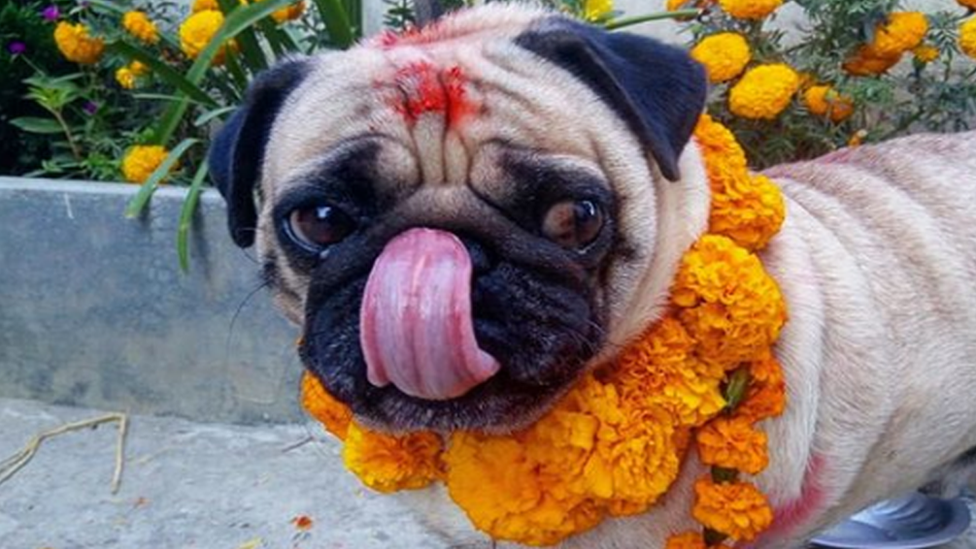
Dogs get tika, garlands, and feasts – thanking them as loyal guardians.
Nepal: Street dogs included in urban areas.
Darjeeling: Beloved pets and strays in tea estates pampered alike.
Gai Tihar and Lakshmi Puja: Welcoming Wealth
Cows worshipped morning; evenings light diyo, draw Lakshmi footprints, pray for prosperity.
Nepal: Elaborate puja with fireworks.
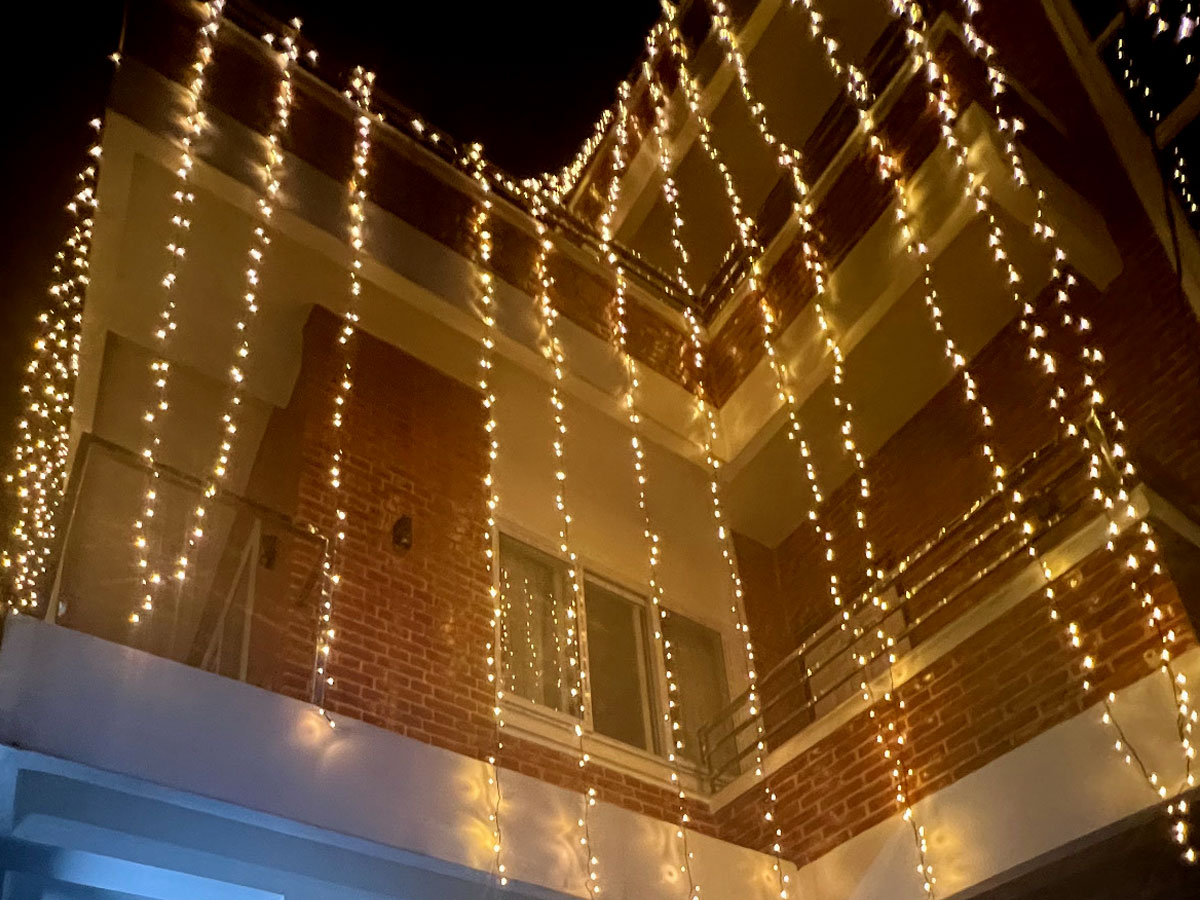
Darjeeling: Cozy home rituals, fairy lights adding modern glow.
Goru Tihar and Deusi Bhailo
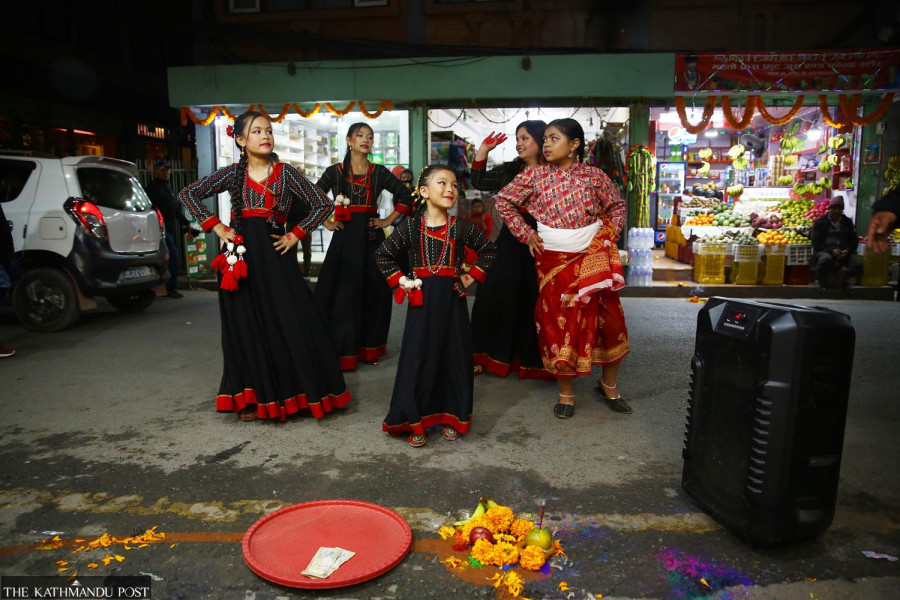
Oxen honoured; Newars do Mha Puja. Evenings: Deusi (men) and Bhailo (women) groups sing, dance door-to-door for blessings and treats.
Nepal: Large groups, traditional songs.
Darjeeling: Youth groups with madal drums, modern twists – joyful collections!
Bhai Tika: Siblings’ Eternal Bond
Sisters apply multicoloured tika, garlands on brothers, pray for longevity; brothers gift in return.
Nepal: Grand ceremonies, long-life wishes.
Darjeeling: Emotional family moments, often with army brothers home on leave.

Food and Feasts: Sweet and Savoury Delights
Sel roti, anarsa, laddoo, meat curries, sweets.
Nepal: Rich Newari samay baji.
Darjeeling: Momos, thukpa, pork dishes join – our fusion shines.
Cultural Importance: Light Over Darkness
In Nepal: Prosperity, animal respect, sibling love.
In Darjeeling: Reinforces Gorkha identity – community events strengthen bonds.
Modern Adaptations
Eco-friendly diyo, LED lights
Virtual Bhai Tika
Darjeeling: Resort lights displays, charity Deusi Bhailo
Key Differences at a Glance
Aspect | Nepal | Darjeeling Gorkha Community |
|---|---|---|
Scale | National, grand fireworks | Intimate, hill community focus |
Deusi Bhailo | Large traditional groups | Youthful, modern songs |
Lighting | Traditional diyo dominant | Mix with fairy/LED lights |
Food | Classic sweets/meat | Includes momos, pork |
Holidays | Full national | Local with school breaks |
Social Meaning | Wealth and family | Cultural preservation in diaspora |
As diyo flames dance against Kanchenjunga’s silhouette, Tihar whispers: light always triumphs. May Lakshmi bless our homes, and sibling bonds endure forever.
How do you light up Tihar? Share your stories below!
Gorkha Haat Team
We share stories of authentic Nepali heritage, food, culture, and local markets.
Related Posts
Bratabandha Ceremony in Nepal & Darjeeling: Meaning, Rituals, Traditions & Cultural Significance
Explore Bratabandha (Upanayana) – sacred thread ceremony rituals, Gayatri Mantra, Janeu significance & differences between Nepal and Darjeeling Gorkha traditions.
Traditional Handicrafts of Gorkha Nepal: Khukuri, Dhaka Weaving, Bamboo & Wood Crafts 2026
Explore traditional handicrafts of Gorkha district, Nepal – iconic khukuri knives, Dhaka fabric weaving, bamboo baskets, wood carvings, and ethnic Gurung/Magar artistry. A guide from Darjeeling's Gorkha perspective on heritage crafts!
Gorkha Khukuri Kukri: History, Types & Significance in Darjeeling 2026
Discover the Gorkha Khukuri (Kukri) – the iconic curved knife of Nepal. Explore its history, blade types, craftsmanship, and deep cultural role in Darjeeling's Gorkha community. Guide to authentic khukuri knives!
Comments
User Name
This is an example comment. Users can leave feedback here.