Teej Festival in Darjeeling 2025: Hartalika Teej Rituals, Songs & Celebrations | Gorkha Haat
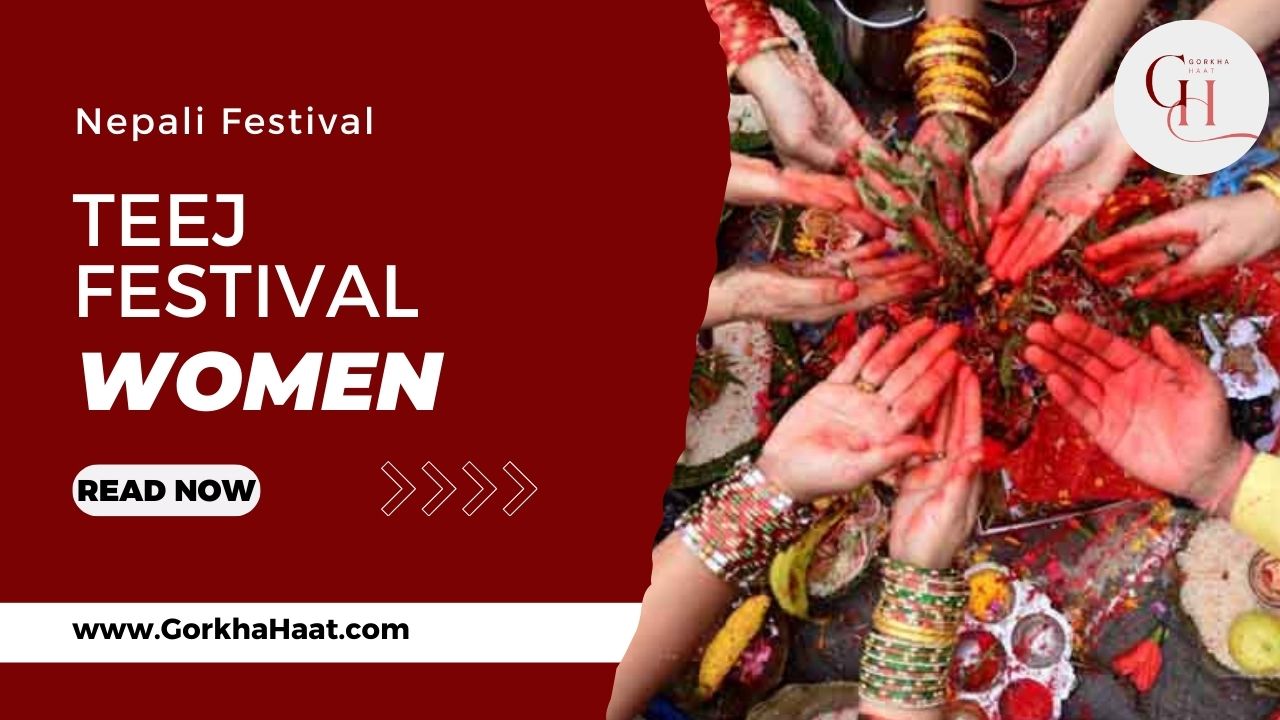
Teej: The Vibrant Women’s Festival of Darjeeling’s Nepali Communities
In the misty hills of Darjeeling, where tea gardens cascade like green waves and the majestic Kanchenjunga watches over daily life, Teej arrives like a burst of crimson joy. Known as Hartalika Teej or simply “Teej” among the Nepali-speaking Gorkha population, this monsoon-season festival is the most anticipated celebration for women across Darjeeling, Kurseong, Kalimpong, Mirik, and the bustling bazaars of Gorkha Haat. For three exhilarating days every Bhadra (August–September), the streets come alive with women draped in red and green saris, glittering pote necklaces, melodious Teej songs, and the rhythmic sway of dances that echo the devotion of Goddess Parvati herself.
At Gorkha Haat, Teej is not just a festival—it is a powerful statement of womanhood, marital harmony, cultural pride, and unbreakable sisterhood. While the rituals remain deeply rooted in the same ancient legends that inspire celebrations across Nepal’s Gorkha, Kathmandu, and the Terai, Darjeeling has infused the festival with its own high-altitude charm: cooler breezes, panoramic temple views, and a unique blend of hill flavors that make Teej here truly unforgettable.
Origin and Mythological Significance of Teej
The heart of Teej beats with the legendary devotion of Goddess Parvati toward Lord Shiva. According to the Shiva Purana, Parvati performed rigorous penance for thousands of years, fasting without food or water, to win Shiva—who had retreated into deep meditation after losing Sati—as her husband. On the third day of her nirjala vrat in the Himalayas, Shiva finally accepted her, and the divine couple was united in eternal marriage.
Inspired by Parvati’s unyielding love and determination, married women in Darjeeling observe Teej to pray for the long life, health, and prosperity of their husbands. Unmarried women fast and dance with equal fervor, seeking a partner as ideal as Lord Shiva—wise, strong, and devoted. In a broader sense, Teej has evolved into a celebration of female strength, resilience, and joy, reminding every woman that her devotion, whether to family or self, is sacred and powerful.
In Darjeeling’s context, where many families trace their ancestry to Nepal’s Gorkha district and the eastern hills, Teej carries an added layer of identity. It is a living link to the motherland while asserting the unique Gorkha-Nepali culture that has flourished in India for over two centuries.
The Three Sacred Days of Teej in Darjeeling
1. Dar Khane Din – The Day of Feasting and Sisterhood
The festivities begin with Dar Khane Din, literally “the day of eating luxuries.” Women gather at parental homes, in-laws’ houses, or community halls in Gorkha Haat, Chowk Bazaar, and Lebong. Dressed in their finest clothes—often new red saris bought specially for the occasion—they adorn themselves with glass bangles, shimmering pote (green and red bead necklaces), henna-painted hands, and alta on their feet.
Men and brothers take charge of the kitchen, preparing an elaborate spread so that women can eat heartily before the rigorous fast. The air fills with laughter, teasing songs, and the aroma of sel roti frying in ghee. This day is pure indulgence and bonding—an emotional recharge before the spiritual intensity of the next day.
2. Hartalika Teej – The Main Day of Fasting and Devotion
This is the soul of the festival. From midnight, thousands of women begin the nirjala vrat—no food, no water—for up to 30 hours. Many choose the slightly lighter jal vrat (fruits and liquids allowed), especially in Darjeeling’s cool and high-altitude climate.
At dawn, women head to temples such as the historic Mahakal Temple on Observatory Hill, Dhirdham Temple, or local Shiva-Parvati shrines in Bijanbari and Takdah. Some perform puja at home with beautifully decorated idols of Shiva, Parvati, and Ganesh. Throughout the day, groups gather under trees, in courtyards, or at Gorkha Haat’s open spaces to sing and dance to classic Teej songs like “Teej Ko Lahar,” “Rato Sari,” and “Barai Barai.” The foot-tapping rhythms of madal drums and the swirl of red saris against misty backdrops create scenes that photographers and filmmakers dream of capturing.
In the evening, after offering argha to the moon (similar to Karva Chauth in northern India), women finally break their fast with fruits, sweets, and the first sip of water—often given by their husbands or elders as a mark of love and respect.
3. Rishi Panchami – The Day of Purification
On the final day, women wake early for a cleansing bath, often using 365 varieties of leaves (datiwan ritual) or at least symbolic herbs. They visit temples to perform Rishi Puja, seeking forgiveness from the seven sages for any menstrual-related “impurities” as per traditional belief. In Darjeeling, many women conclude the festival with a grand feast, cultural programs, and prizes for the best dancers and singers.
Cultural Splendor of Teej in Darjeeling and Gorkha Haat
Teej in Darjeeling is a spectacular display of Gorkha-Nepali identity. Every year, organizations and women’s groups organize grand Teej events at Chowrastha, Gorkha Haat grounds, and community halls in Singamari and Lebong. Stages come alive with competitions—best traditional attire, best Teej dance, best singer—drawing hundreds of participants and thousands of spectators.
The festival strengthens intergenerational bonds: grandmothers teach classic songs, mothers pass down jewelry recipes, and daughters add modern choreography while keeping the essence intact. In recent years, themes of women’s education, health awareness, and domestic violence prevention are woven into cultural programs, making Teej a platform for empowerment as much as tradition.
At Gorkha Haat, we proudly host one of the largest Teej melas in the hills, featuring stalls of handmade pote, Dhaka fabric, sel roti, and organic hill produce—allowing women to shop, celebrate, and support local artisans in one vibrant space.
Traditional Foods That Define Darjeeling’s Teej
Despite the fasting, Teej cuisine is rich and varied:
Sel Roti – Crispy, ring-shaped rice-flour doughnuts fried in ghee, a must-have during Dar Khane Din.
Kwati – A nourishing nine-bean soup believed to cleanse the body after the monsoon.
Aloo Tama – Potato and bamboo shoot curry, a hill favorite.
Gundruk ko Achar & Dhindo – Fermented greens pickle with buckwheat or cornmeal porridge.
Tarul ko Achar & Sisnu Soup – Taro root pickle and stinging nettle soup, packed with mountain nutrients.
Mango or lapsi (hog plum) treats – To break the fast gently.
These dishes reflect Darjeeling’s unique blend of Nepali flavors with locally available high-altitude ingredients.
Health & Wellness Benefits of Teej Observances
The nirjala or jal vrat, though challenging, offers detoxification and metabolic reset benefits when done mindfully. The emphasis on hydration post-fast, consumption of fruits, and nutrient-dense kwati helps replenish electrolytes. Dancing for hours improves cardiovascular health and mood through endorphin release. In Darjeeling’s oxygen-thin air, the controlled fasting and subsequent feasting align beautifully with Ayurvedic principles of seasonal cleansing during the monsoon-to-autumn transition.
Tips for Celebrating Teej in Darjeeling (2025 Edition)
Book your red sari and pote early—shops at Gorkha Haat and Chowk Bazaar get sold out weeks in advance.
Carry a light shawl; evenings can be cool even in August–September.
Practice popular Teej songs beforehand—YouTube playlists titled “Darjeeling Teej Songs 2025” are already trending!
If fasting nirjala, consult a doctor, especially at high altitude, and consider jal vrat instead.
Use public events at Gorkha Haat or Chowrastha for safe, joyous dancing—no need for expensive private parties.
Support women artisans—buy handcrafted jewelry and textiles directly from makers.
Stay hydrated after breaking the fast; Darjeeling’s pure mountain water is perfect for recovery.
Conclusion
Teej is more than a festival—it is the heartbeat of womanhood in Darjeeling’s Nepali community. From the crimson saris swirling against misty hills to the soul-stirring songs that echo through tea gardens, Teej celebrates love, devotion, resilience, and joy in their purest forms. At Gorkha Haat, we witness every year how this ancient tradition continues to empower women, preserve heritage, and paint the hills red with happiness.
Whether you are a daughter fasting for the first time, a wife praying for her partner’s long life, or a visitor wanting to experience authentic Gorkha culture, Teej in Darjeeling welcomes you with open arms, madal beats, and the unbreakable spirit of Parvati.
Gorkha Haat Team
We share stories of authentic Nepali heritage, food, culture, and local markets.
Related Posts
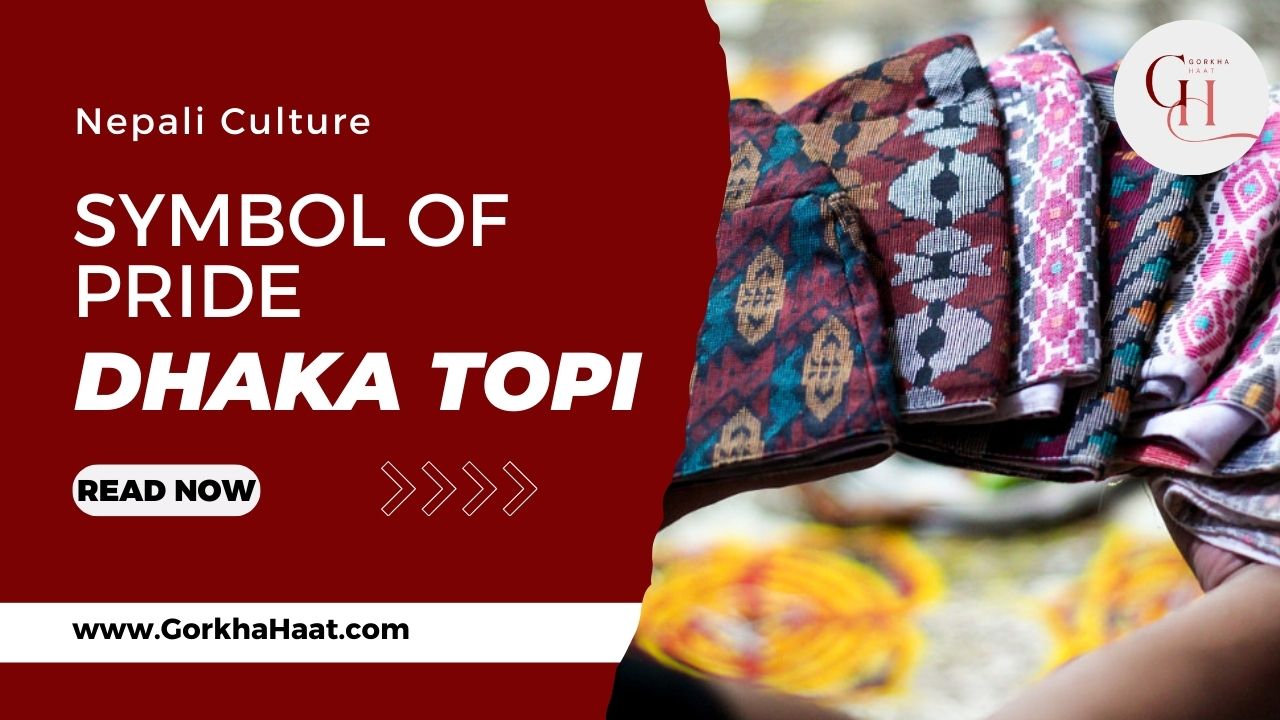
Gorkha Hat: Exploring the Dhaka Topi – A Symbol of Pride, Heritage, and Gorkha Identity in Darjeeling
Discover the Gorkha Hat (Dhaka Topi) – Nepal's iconic traditional cap. Explore its history from King Mahendra era, vibrant patterns, cultural significance, and how Darjeeling Gorkhas wear this symbol of pride. Shop authentic ones today!
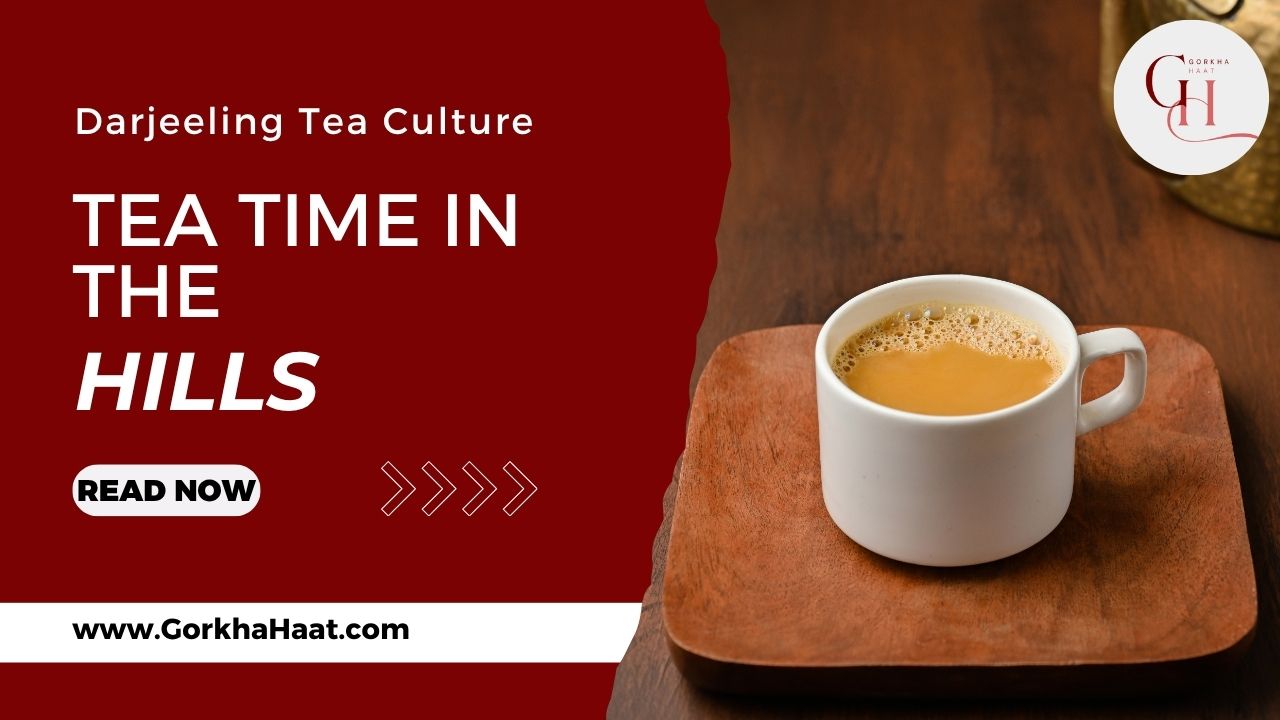
Tea Time in the Hills: Darjeeling Tea Culture, Estates & Traditions | Gorkha Haat
Discover the rich Darjeeling tea culture — from first flush to high tea rituals in Darjeeling, Kalimpong, Kurseong & Mirik. Explore estates, homestay experiences, and authentic Himalayan tea traditions at Gorkha Haat.

How Hill Families Prepare for Winter in Darjeeling
Discover authentic ways Darjeeling hill families prepare for winter: from home insulation and traditional foods like thukpa to cultural festivals.
Comments
User Name
This is an example comment. Users can leave feedback here.