Hidden Culinary Treasures of Gorkha Nepal: Authentic Hill Foods & Recipes 2026
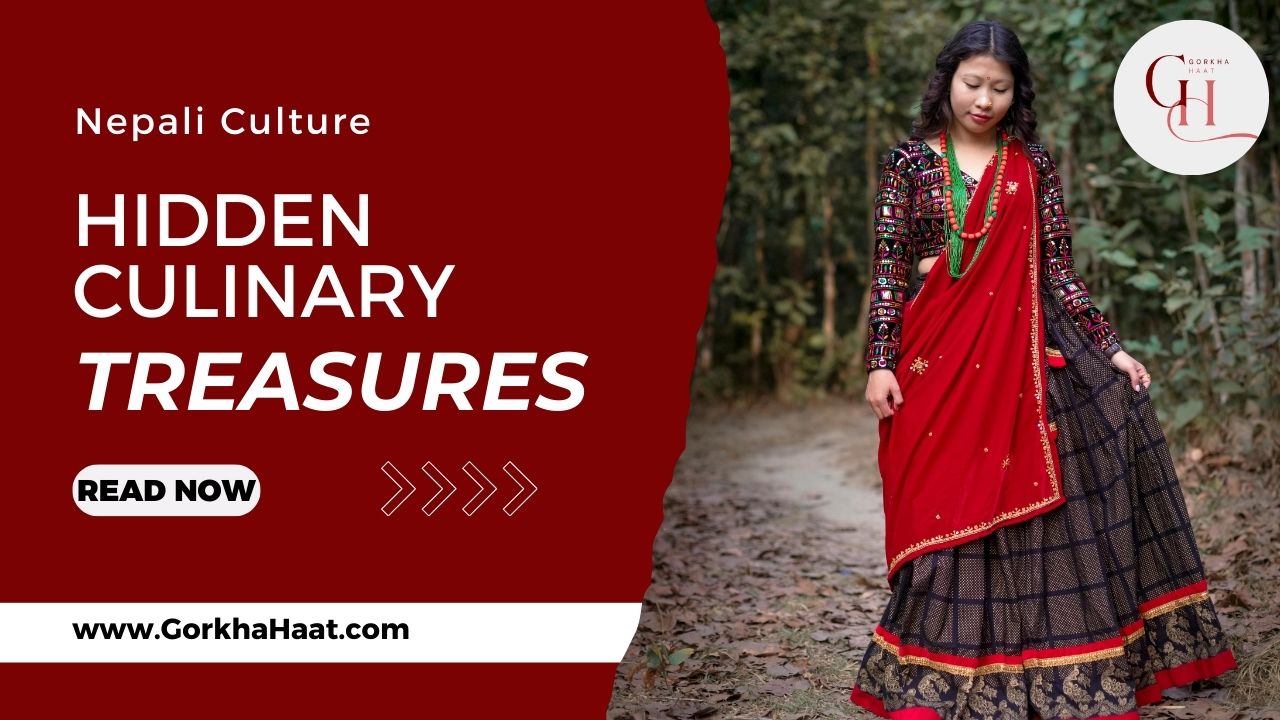
Hidden Culinary Treasures of Gorkha: Unearthing Authentic Flavors from the Heart of Nepal's Historic Hills – A Darjeeling Gorkha Perspective
Hello, dear readers of Gorkha Haat! Rajesh Gurung here, sending warm greetings from Darjeeling's misty tea gardens on this chilly January day in 2026. As your faithful content writer for this blog that celebrates our shared Gorkha heritage—be it the iconic khukuri, the elegant Dhaka Topi, or the vibrant haats—today I'm thrilled to take you on a flavorful journey through the hidden culinary treasures of Gorkha.
Gorkha district, the cradle of modern Nepal and home to legendary warriors, isn't just about history and temples—its cuisine is a quiet powerhouse of authentic hill flavors. Shaped by the rugged terrain, ethnic diversity (Magar, Gurung, Rai, Limbu influences), and simple, seasonal ingredients, Gorkha food emphasizes hearty, nutritious dishes that sustained farmers, soldiers, and families through harsh winters. For us in Darjeeling, whose roots trace back to these very hills, these "hidden" treasures evoke memories of family gatherings, festival feasts, and the resilience of our people.
While dal bhat remains Nepal's national staple, Gorkha's lesser-known gems—like dhido, gundruk specialties, local ferments, and ethnic twists—offer a deeper taste of the region. In this in-depth exploration (over 2000 words!), we'll uncover these treasures, their cultural significance, how they're prepared, and tips for experiencing them. Whether you're planning a trip to Gorkha or recreating them at home, let's savor the soul of Gorkha cuisine together!
The Foundation: Staples That Define Gorkha Hill Life
At the core of Gorkha cuisine lies simplicity and sustenance. The hills' climate favors millet, buckwheat, maize, and fermented greens over rice-heavy lowland fare.
Dhido (or Dhindo) stands as one of the most authentic and "hidden" treasures—often called Nepal's national dish in rural contexts. Made from buckwheat, millet (kodo), maize, or barley flour stirred into boiling water until thick and porridge-like, dhido is nutrient-dense and sugar-free, ideal for diabetics and high-altitude living. In Gorkha villages, it's eaten with gundruk ko jhol (fermented greens soup), sukuti (smoked dried meat), or simple tarkari. Gurung and Magar communities prize it as a staple, often paired with mohi (buttermilk) or local raksi.
Gundruk, fermented leafy greens (mustard, radish, cauliflower leaves dried and pickled), adds a tangy, probiotic punch—sour and earthy, it's a superfood preserved for winter. In Gorkha, gundruk ko jhol (soup with potatoes, beans, and spices) is a daily comfort, while gundruk achar (pickle) sparks meals.
These basics reflect Gorkha's resourcefulness: turning humble grains and foraged greens into nourishing feasts.
Here’s a glimpse of traditional dhido being prepared in a rural Gorkha kitchen:
This image shows the thick, steaming dhido being stirred in a traditional pot—pure hill comfort.
A hearty plate of dhido with gundruk and tarkari—simple yet satisfying.
Ethnic Twists: Magar, Gurung, Rai, and Limbu Influences in Gorkha
Gorkha's ethnic mosaic brings unique hidden gems.
Magar Delicacies shine with batuk (deep-fried black lentil patties, like savory doughnuts). Soaked lentils ground with ginger and spices, shaped, and fried—crispy outside, soft inside. Served with pork, kodo ko raksi (millet beer), or during festivals, batuk is protein-rich and essential at Magar gatherings.
Gurung Specialties include mohi chop (skimmed milk seasoned with chili, garlic, salt) and niuro (fiddlehead fern sauteed with dried anchovies, tomatoes, garlic). Gundruk ko jhol is a must, often with sukuti (smoked buffalo meat).
Rai and Limbu Touches add fermented wonders like kinema (soybeans fermented for umami curries) and yangben (edible lichen in pork curries like yangben-faksa). Wai (bamboo shoot curry) brings subtle sweetness. These reflect eastern hill influences in Gorkha.
Gorkhali Lamb (or Gorkha-style lamb curry) is a standout: slow-cooked lamb with potatoes, onions, then grilled with chili paste and returned to curry—intense, aromatic, embodying Gorkha boldness.
These ethnic dishes highlight Gorkha's diversity—each group contributing flavors tied to land and tradition.
A vibrant Magar batuk platter with accompaniments—crispy and irresistible.
Gurung-style gundruk ko jhol with sukuti—earthy and comforting.
Ferments and Preserves: Gorkha's Secret Weapons
Fermentation is Gorkha's hidden superpower for preservation and flavor.
Gundruk variations (soup, pickle) provide probiotics. Kinema curries offer nutty depth. Yangben (lichen) adds unique earthiness to pork dishes.
Sukuti (smoked dried meat—buffalo, goat) is stored for months, rehydrated in curries—smoky, chewy, protein-packed.
Raksi and tongba (millet beer sipped through straws) warm winter evenings, often with snacks like batuk.
These preserve seasonal abundance, adding depth to meals.
Fermented kinema curry—pungent umami bliss.
Traditional raksi being served in a Gorkha home—warm hospitality.
Festival and Everyday Feasts: Where Treasures Shine
During Dashain, Gorkha tables overflow with sel roti, sukuti, and meat curries. Everyday meals feature dhido or rice with tarkari, gundruk, and achaar.
In villages near Manakamana Temple, pilgrims enjoy local twists—perhaps Gorkha toast (spiced fried bread) or simple batuk.
These dishes foster community—shared preparation, stories over raksi.
A festive Gorkha spread with dhido, sukuti, and more—pure celebration.
Experiencing Gorkha Cuisine: Tips for Visitors and Home Cooks
In Gorkha, seek village homestays or local eateries for authentic dhido and gundruk. Darjeeling's Gorkha Haat offers ingredients like millet flour or kinema.
Home cooks: Start with dhido (stir flour into boiling water), pair with gundruk soup. Source fermented items from Nepali stores.
Health perks: High-fiber dhido, probiotic gundruk—sustainable and nourishing.
Personal Reflections: Why These Treasures Matter to Us
As a Darjeeling Gorkha, these flavors transport me to ancestral hills—dhido's warmth recalls family winters, batuk's crunch festival joy. They remind us of resilience and roots.
Conclusion: Savor the Hidden Gems of Gorkha
Gorkha's culinary treasures—dhido, gundruk, batuk, kinema, Gorkhali lamb—offer authentic, soul-nourishing tastes beyond tourist menus. They tell stories of land, people, and heritage.
Next time in Gorkha or at home, seek these hidden delights. Visit Gorkha Haat for inspiration—happy eating! Namaste from the hills.
Gorkha Haat Team
We share stories of authentic Nepali heritage, food, culture, and local markets.
Related Posts
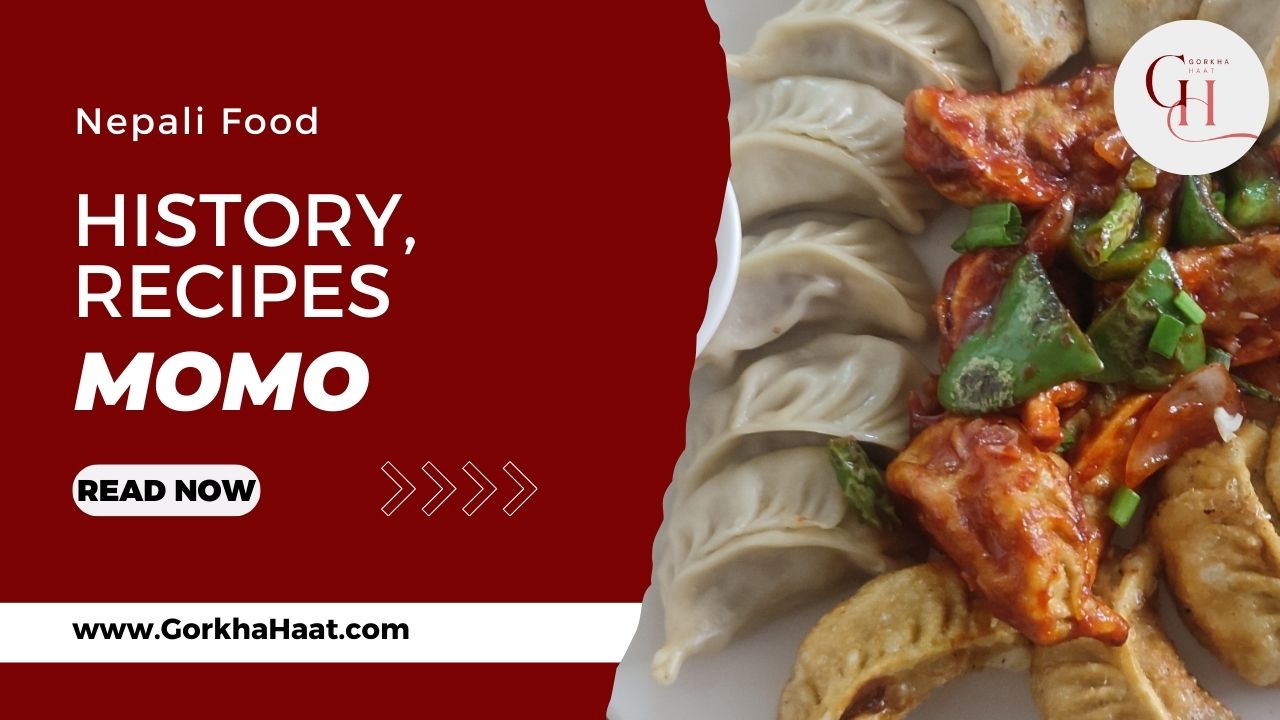
Momo in Darjeeling: History, Recipes & Cultural Spread Across Hills, Nepal & India | Gorkha Haat
Explore Momo's origins from Tibet to Darjeeling, Kurseong, Kalimpong & Sikkim—now famous across India. Discover traditional recipes, variations, and cultural significance at Gorkha Haat.
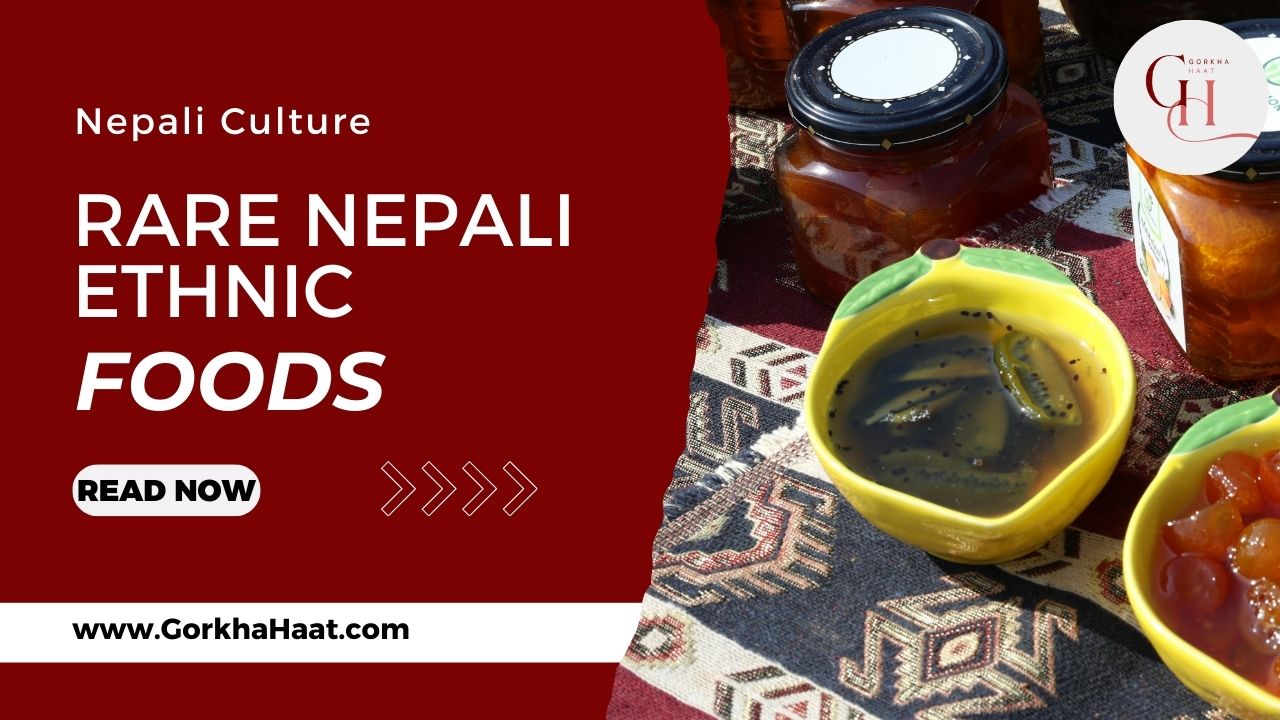
Rare Nepali Ethnic Foods: Yangben, Sargemba, Ghonghi & More Delicacies 2026
Discover rare ethnic foods of Nepal – yangben-faksa (lichen pork curry), sargemba blood sausage, Tharu ghonghi snails, Magar batuk, kinema variations, and more. Authentic recipes and cultural insights from a Darjeeling Gorkha perspective!
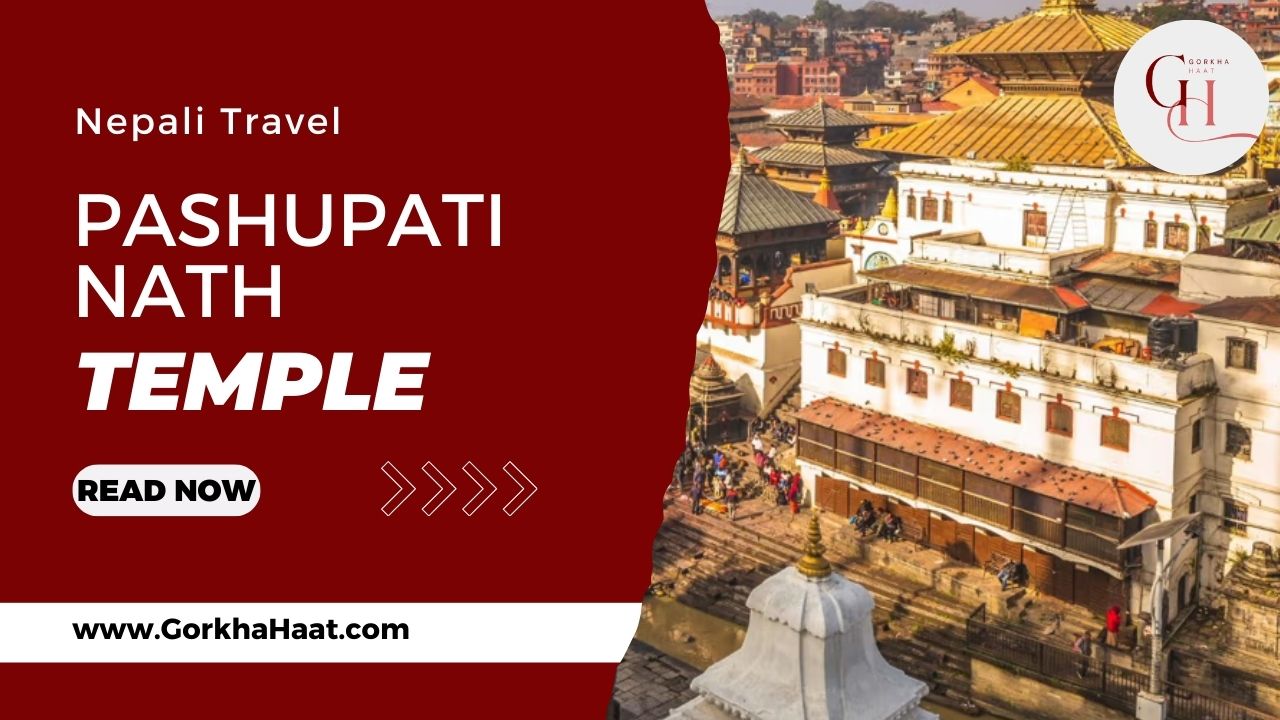
Pashupatinath Temple: History, Spiritual Significance & Complete Guide (2026)
Pashupatinath Temple is Nepal’s most sacred Shiva shrine, known for its ancient architecture, spiritual energy, and centuries-old rituals. Located by the Bagmati River, this UNESCO World Heritage Site remains a powerful center for Hindu devotion, culture, and traditional ceremonies.
Comments
User Name
This is an example comment. Users can leave feedback here.