Festivals of Nepal Explained: Dashain, Tihar, Holi, Buddha Jayanti - Gorkha Haat
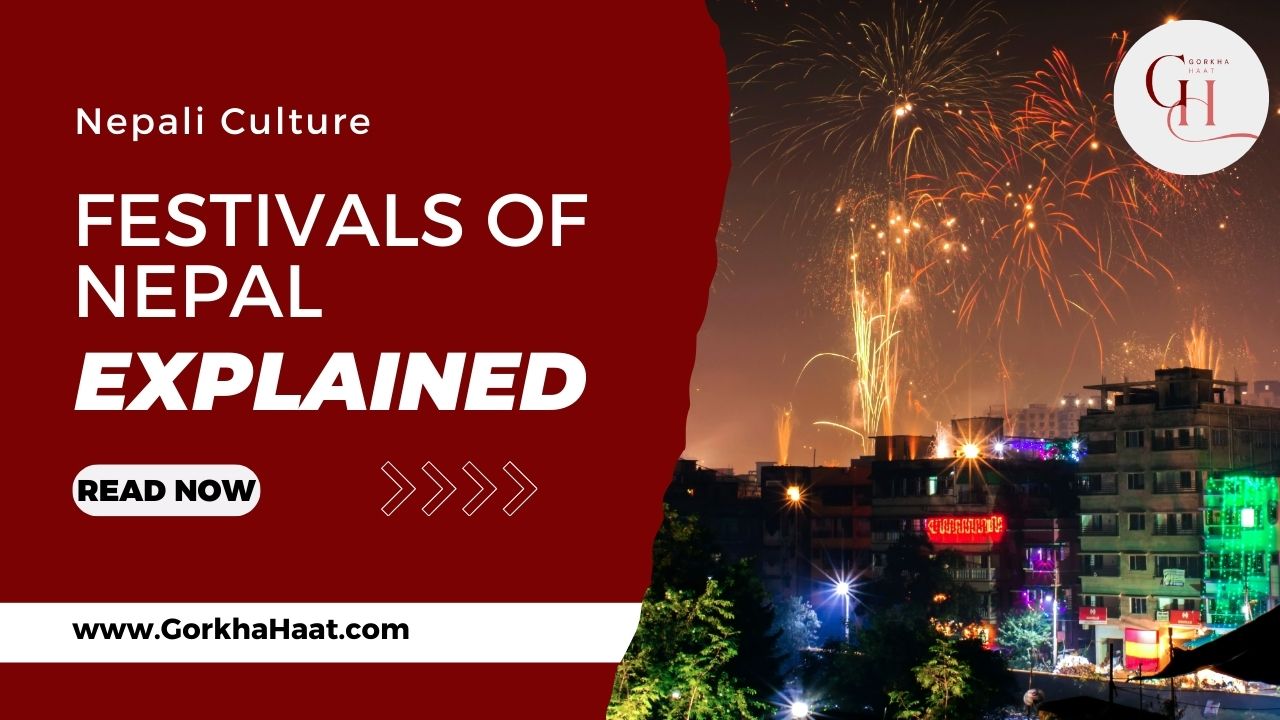
Festivals of Nepal Explained: A Vibrant Tapestry of Culture, Faith & Joy – Nepal vs Darjeeling Gorkha Traditions
Namaste from the misty heights of Darjeeling! As your Gorkha Haat writer, sitting with a steaming cup of first-flush tea while the winter sun warms the rhododendrons, I’m excited to guide you through the Festivals of Nepal – the heartbeat of a nation that celebrates more than 300 days a year! Nepal truly is the land of festivals, where every month brings colour, devotion, music, dance, feasts, and profound spiritual meaning.
From the grand national holidays like Dashain and Tihar (celebrated with equal passion by Gorkhas in Darjeeling, Kalimpong, Kurseong, and Siliguri) to unique regional and ethnic events, these festivals reflect Nepal’s incredible diversity: Hindu, Buddhist, indigenous, and syncretic traditions.
In Nepal, festivals often shut down the entire country for days. In Darjeeling’s Gorkha community, we keep the same spirit but adapt them to our hill life – shorter community gatherings, local food twists (think momos with sel roti), and a strong sense of shared Nepali identity amid our Indian context.
Here’s a detailed guide to the most important festivals of Nepal, explained with their meaning, rituals, and how they are observed differently in the homeland vs our Darjeeling hills. (As of January 2026, dates are approximate – lunar calendars shift yearly!)
1. Dashain (Vijaya Dashami) – The Biggest Festival of All
When → Mid-October (15 days, peak around Vijaya Dashami)
Significance → Victory of Goddess Durga over evil (Mahishasura); triumph of good, family reunion, renewal.
Rituals → Ghatasthapana (sowing jamara barley), Fulpati, animal sacrifices (goats/buffaloes), tika & jamara blessings from elders, kite flying, swings, feasts.
In Nepal → Nationwide shutdown; massive family gatherings, temple visits, royal traditions (historically), huge sacrifices at Dakshinkali.
In Darjeeling Gorkha hills → More intimate; community tika events at mani grounds/temples, symbolic offerings (less sacrifice due to urban rules), pork & momo added to feasts, army families home on leave.
Why special → Longest holiday; everyone returns home – the Nepali “Christmas”!
2. Tihar (Deepawali / Festival of Lights) – The Most Beautiful
When → Late October / early November (5 days)
Significance → Honouring animals, siblings, and Goddess Lakshmi (wealth); light over darkness.
Rituals → Kaag (crows), Kukur (dogs with tika), Gai (cows), Laxmi Puja (houses lit with diyo), Deusi-Bhailo singing, Bhai Tika (colourful sibling blessing).
In Nepal → Entire cities glow; massive rangoli, fireworks, huge Deusi groups.
In Darjeeling → Cozy home & community lighting; fairy lights + traditional diyo, youth Deusi with madal drums, pet dogs get extra pampering.
Why special → Second biggest festival; celebrates life, loyalty, and family bonds.
3. Holi (Fagun Purnima) – Festival of Colours & Spring
When → March (1–2 days)
Significance → Arrival of spring, victory of good over evil, joy & forgiveness.
Rituals → Throwing colours/powder/water, playing music, sweets, bonfires, dancing.
In Nepal → Wild street celebrations; hills & Terai have slight date differences.
In Darjeeling → More relaxed; family & community colour play, hill songs, less chaotic due to terrain.
Why special → Pure fun; washes away grudges, welcomes warmer days.
4. Buddha Jayanti – Triple Blessed Day
When → April/May (full moon of Baisakh)
Significance → Birth, enlightenment & death (Parinirvana) of Lord Buddha.
Rituals → Processions, prayers at stupas (Swayambhunath, Boudhanath), Lumbini pilgrimage, lighting butter lamps, vegetarian feasts.
In Nepal → Huge at Lumbini; peaceful nationwide.
In Darjeeling → Monastic prayers at Ghoom/Yiga Choeling; community gatherings, less pilgrimage.
Why special → Sacred for Buddhists worldwide; promotes peace.
5. Teej – The Festival of Women
When → August/September (3 days)
Significance → Women pray for husband’s long life (married) or good husband (unmarried); devotion to Parvati/Shiva.
Rituals → Fasting, red saris, dancing/singing at Pashupatinath, swings, special feasts.
In Nepal → Women throng temples; joyful group dances.
In Darjeeling → Smaller home & temple gatherings; similar red attire & songs.
Why special → Empowers women; celebrates femininity & devotion.
6. Losar (Lhosar) – Tibetan & Himalayan New Year
When → February/March (varies by group: Tamu, Sonam, Gyalpo Lhosar)
Significance → New beginning; family reunion, gratitude.
Rituals → Feasts, dances, monastery prayers, cham (devil dances), cleaning homes.
In Nepal → Strong in Sherpa/Tamang/Gurung areas; Bodhnath/Swayambhunath lively.
In Darjeeling → Very vibrant among Tibetan/Sherpa communities; monastery events, family feasts.
Why special → Marks fresh start; cultural pride for Himalayan groups.
7. Maha Shivaratri – Night of Lord Shiva
When → February/March (full moon)
Significance → Marriage of Shiva-Parvati; night of great meditation.
Rituals → All-night vigils at Pashupatinath, fasting, chanting, bonfires, offering bel leaves.
In Nepal → Massive at Pashupatinath; sadhus gather.
In Darjeeling → Temple prayers, smaller scale but deep devotion.
Why special → Spiritual intensity; draws thousands of pilgrims.
8. Bisket Jatra – Nepali New Year & Spring Festival
When → Mid-April (Baisakh 1)
Significance → New year (Bikram Sambat); victory over evil.
Rituals → Chariot pulling, pole erection, water splashing, masked dances.
In Nepal → Wild in Bhaktapur; intense celebrations.
In Darjeeling → Not widely observed; Nepali New Year quietly marked.
Why special → Marks fresh beginnings; dramatic public events.
9. Indra Jatra – Living Goddess & Rain God Festival
When → August/September
Significance → Thanks Indra (rain god); Kumari (living goddess) procession.
Rituals → Chariot processions, masked dances, Lakhe dance, Kumari darshan.
In Nepal → Spectacular in Kathmandu Durbar Square.
In Darjeeling → Rare; some Newar families observe quietly.
Why special → Unique Newar tradition; living goddess appears.
10. Chhath Puja – Sun Worship Festival
When → October/November (4 days)
Significance → Thanks Sun god; health & prosperity.
Rituals → Fasting, river worship, offerings to rising/setting sun.
In Nepal → Huge in Terai (Madhesi communities).
In Darjeeling → Observed by Terai-origin families; less common in hills.
Why special → Pure devotion; beautiful river scenes.
Key Differences: Nepal vs Darjeeling Gorkha Celebrations
Festival | Nepal (Homeland) | Darjeeling Gorkha Hills |
|---|---|---|
Scale | National shutdown, massive crowds | Community/family-focused, intimate |
Duration | Full multi-day holidays | Adjusted to weekends/school breaks |
Food | Regional classics (buffalo, sweets) | Fusion – momos, pork, thukpa added |
Rituals | Elaborate, traditional | Simplified, pragmatic |
Cultural Role | Reinforces national identity | Strengthens Gorkha/Nepali diaspora identity |
Nepal’s festivals are a living calendar of faith, family, and joy. In Darjeeling, we carry them proudly – adapting yet preserving the essence that makes us Gorkha.
Which festival calls to your heart most? Share your favourite memories in the comments!
Gorkha Haat Team
We share stories of authentic Nepali heritage, food, culture, and local markets.
Related Posts
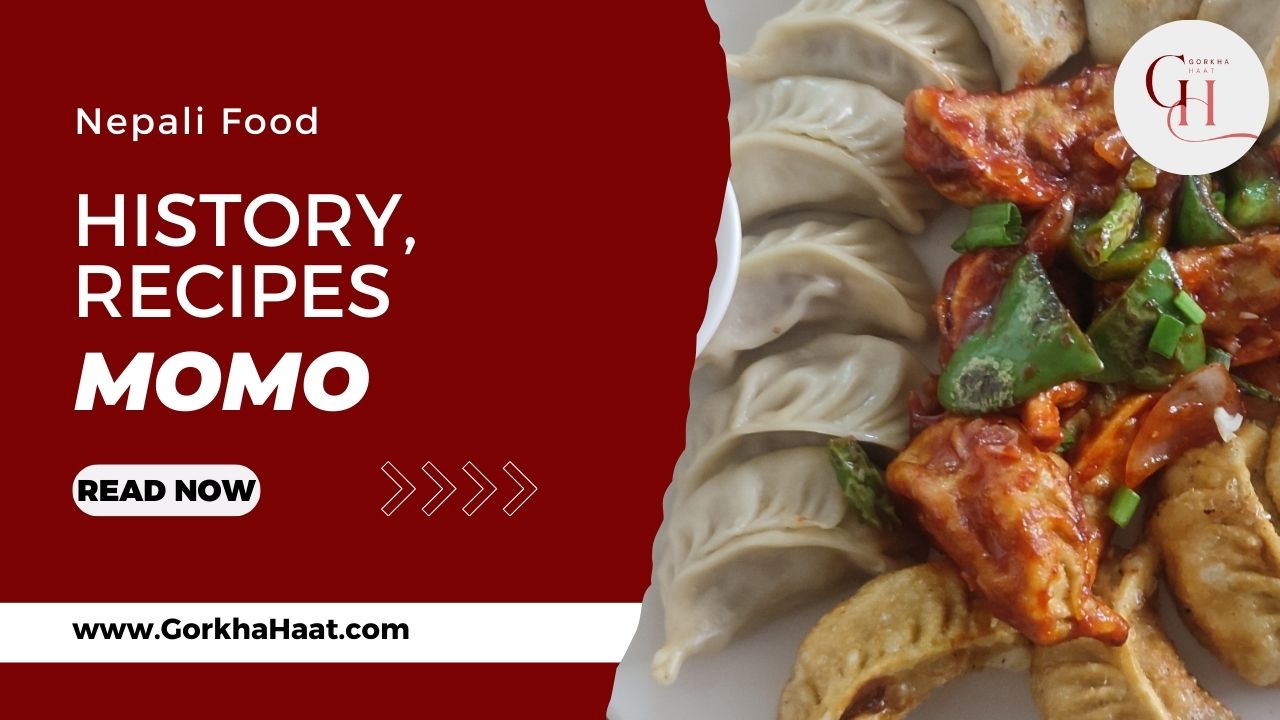
Momo in Darjeeling: History, Recipes & Cultural Spread Across Hills, Nepal & India | Gorkha Haat
Explore Momo's origins from Tibet to Darjeeling, Kurseong, Kalimpong & Sikkim—now famous across India. Discover traditional recipes, variations, and cultural significance at Gorkha Haat.
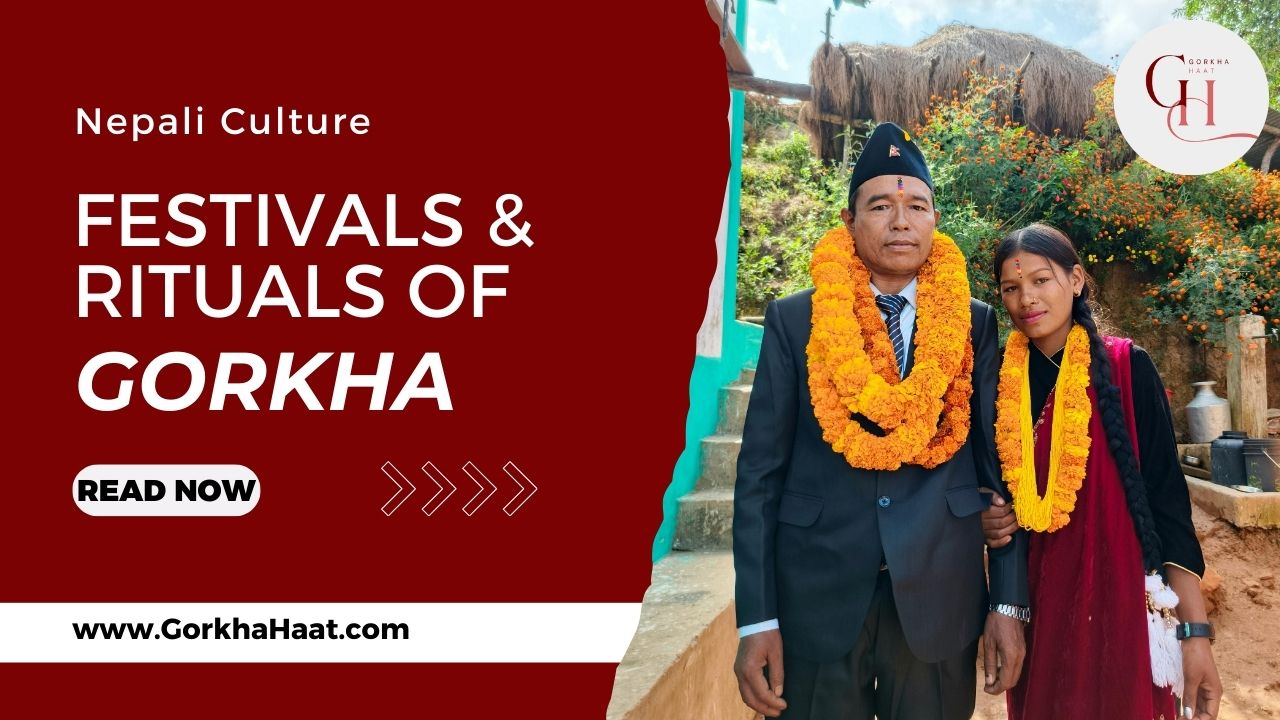
Festivals & Rituals of Gorkha Nepal: Dashain, Tihar, Teej & Ethnic Celebrations 2026
Explore festivals and rituals in Gorkha district, Nepal – Dashain at Gorkha Durbar, Tihar lights, Teej for women, Manakamana Temple pujas, Maghe Sankranti, and Magar/Gurung ethnic traditions. A heartfelt guide from Darjeeling's Gorkha perspective!
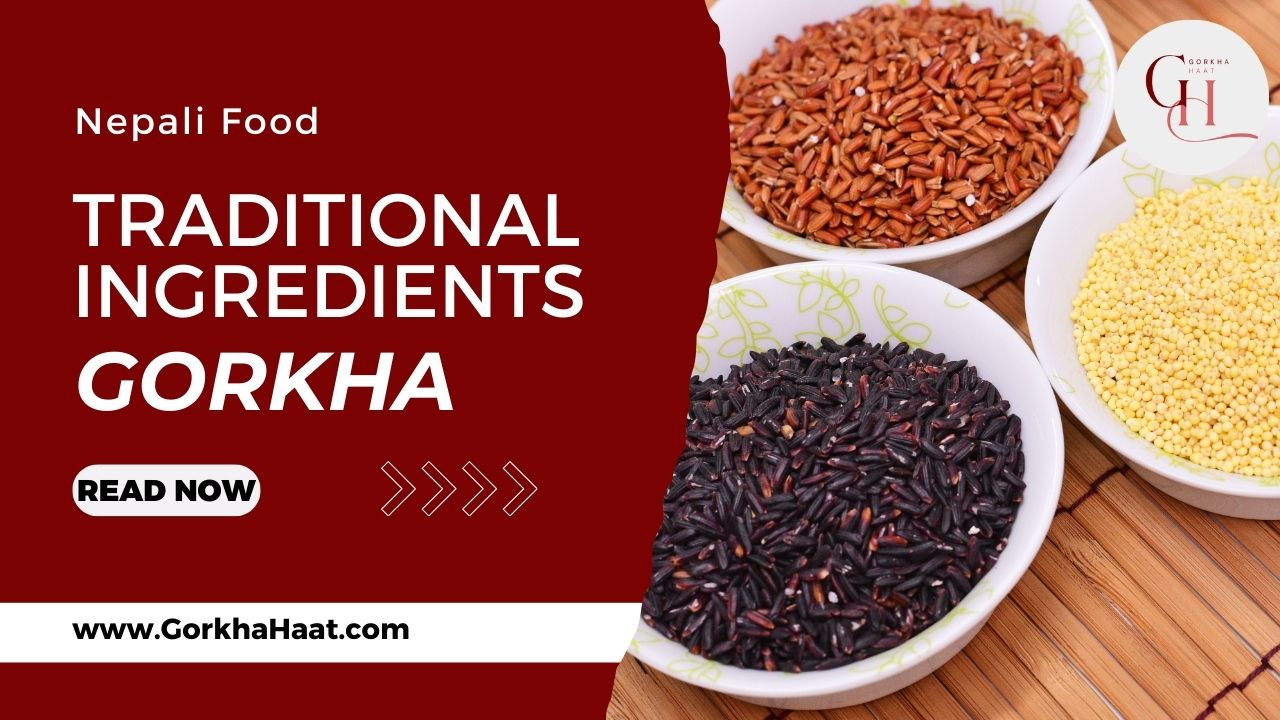
Traditional Ingredients of Gorkha Dishes: Staples, Spices & Ferments Nepal 2026
Explore traditional ingredients in Gorkha Nepali cuisine – millet for dhido, gundruk & sinki ferments, timur spice, mustard oil, kinema, and more. Cultural significance and tips from a Darjeeling Gorkha perspective!
Comments
User Name
This is an example comment. Users can leave feedback here.