Sinkey Ko Jhol Recipe: Fermented Radish Soup – Authentic Gorkha Winter Dish 2026
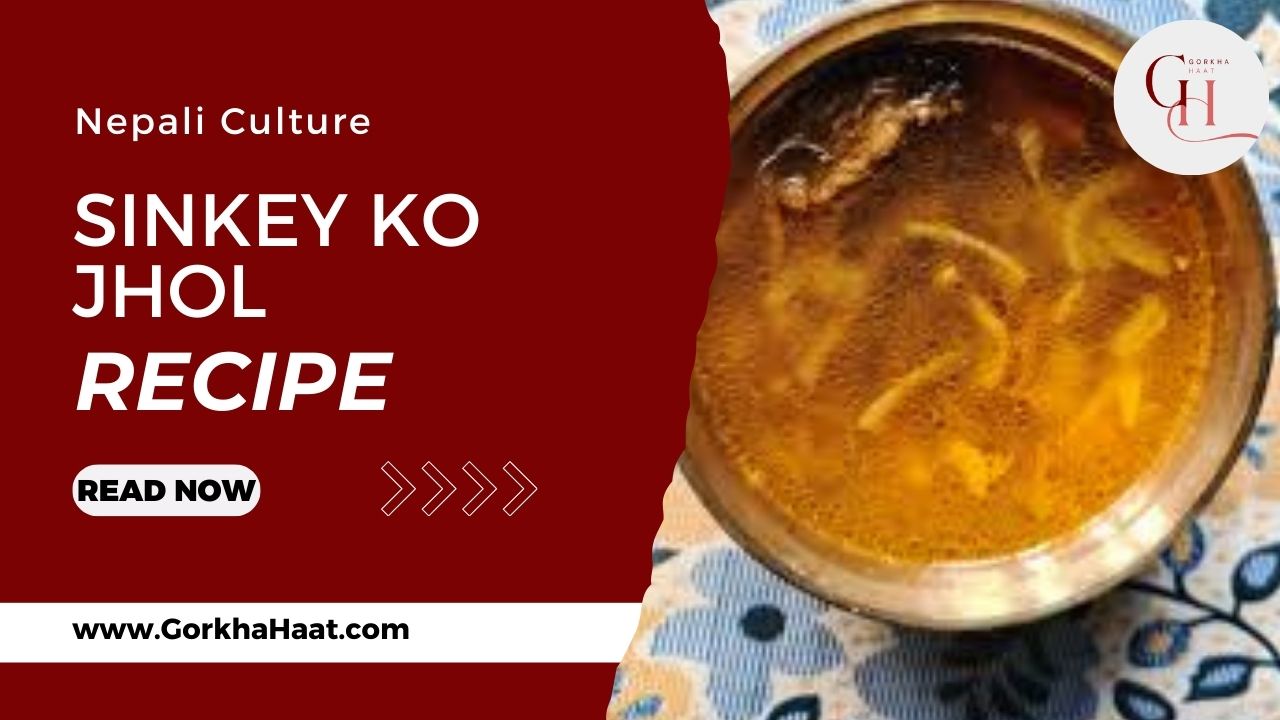
Sinkey Ko Jhol: The Tangy, Probiotic Fermented Radish Soup – A Beloved Winter Warmer from Eastern Nepal's Gorkha Hills
Hello, dear readers of Gorkha Haat! Rajesh Gurung here, reaching out from Darjeeling's misty mornings on this February day in 2026. As your dedicated content writer for this blog that celebrates our Gorkha heritage—from the legendary khukuri's warrior symbolism and the bold umami of kinema ko jhol to rare ethnic delicacies, traditional salads, and vibrant festivals—today we're exploring another fermented gem that warms hearts and bellies during chilly hill winters: Sinkey Ko Jhol.
Sinkey (also spelled Sinki) is the fermented version of radish leaves (mula ko saag), transformed through natural lactic acid fermentation into a tangy, sour powerhouse. The resulting soup/curry, Sinkey Ko Jhol, is a staple in eastern Nepal's Rai, Limbu, Gurung, and Magar communities—offering probiotic richness, bold sourness, and earthy depth that pairs perfectly with rice, roti, or dhido. In Darjeeling and Sikkim, it's a household favorite, often prepared in winter when fresh greens are scarce, reminding us of ancestral preservation techniques carried from Nepal's hills.
For us Gorkhas in Darjeeling, Sinkey Ko Jhol is more than soup—it's nostalgia in a bowl, the sour tang evoking grandmother's kitchen during foggy winters, family stories of eastern villages, and the resourcefulness of our forebears who turned simple radish leaves into a nutritious, long-lasting delicacy. In this in-depth guide (over 2000 words!), we'll uncover Sinkey's origins, fermentation secrets, authentic recipes, cultural role, variations, and tips for making it at home. Let's savor this tangy treasure!
Origins and Fermentation: From Seasonal Greens to Probiotic Powerhouse
Sinkey has ancient roots in eastern Nepal's Kirat (Rai-Limbu) and Gurung-Magar traditions, where radish leaves—abundant after harvest—were fermented to preserve nutrition through long winters. The process mirrors gundruk (mustard greens) but uses specifically radish leaves for a sharper, more mustardy tang.
Traditionally, fresh mula ko saag is washed, wilted in sun, packed tightly into earthen pots or bamboo baskets lined with banana/fig leaves, weighted down, and left to ferment naturally for 7–15 days (or longer in cooler weather). Lactic acid bacteria convert sugars into lactic acid, creating the signature sourness, soft texture, and probiotic benefits. The result is strongly fermented greens with a pungent, vinegary aroma.
This technique, dating back centuries, ensured vitamin C, fiber, and minerals during scarcity—essential for hill survival. Migration spread Sinkey to Darjeeling, Sikkim, Bhutan, and beyond, where it's now a Gorkha winter essential.
In Darjeeling haats, dried or ready Sinkey is sold, allowing easy recreation of ancestral flavors.
Here’s the traditional fermentation process for Sinkey—radish leaves packed for natural magic.
A jar of freshly fermented Sinkey—tangy and probiotic-rich.
Sinkey Ko Jhol Recipe: The Classic Tangy Soup – Simple & Authentic
Sinkey Ko Jhol is a soupy curry where rehydrated Sinkey simmers with spices, creating a comforting, sour broth.
Ingredients (serves 4):
1–1½ cups fermented Sinkey (rehydrated if dried)
1 medium onion, finely chopped
2–3 tomatoes, chopped
4–6 garlic cloves, minced
1-inch ginger, grated
2–4 green chilies (or dalle khursani), chopped
½ tsp turmeric powder
1 tsp cumin seeds
½ tsp fenugreek seeds (optional)
2–3 tbsp mustard oil
Salt to taste
Fresh coriander for garnish
Optional: 1–2 potatoes (cubed), green peas, or a handful of greens
Method:
Rehydrate dried Sinkey in warm water for 30 minutes; drain and chop if needed.
Heat mustard oil until smoking point; add fenugreek and cumin seeds to splutter.
Sauté onion until golden.
Add garlic, ginger, chilies; fry 1 minute.
Stir in turmeric and Sinkey; cook 3–4 minutes to mellow pungency.
Add tomatoes and salt; cook until soft.
Pour 3–4 cups water; add potatoes if using.
Simmer 15–20 minutes until flavors blend and broth thickens slightly.
Garnish with coriander; serve hot with rice or roti.
The result: a sour, spicy, earthy soup—perfect for colds or winter evenings.
A steaming bowl of Sinkey Ko Jhol—tangy comfort in every spoonful.
Close-up of the fermented radish greens in the broth—probiotic goodness.
Cultural Significance: Sinkey as Preservation, Health, and Community
Sinkey Ko Jhol symbolizes resourcefulness—turning abundant autumn greens into winter sustenance. In Rai/Limbu homes, it's prepared during festivals like Sakela or family gatherings, shared to strengthen bonds.
Probiotic benefits (gut health, immunity) make it a traditional remedy for digestive issues and winter ailments. The sourness balances rich meals, aiding digestion.
In Darjeeling, it's a link to Nepal—eaten at haats, community events, and homes—reinforcing Gorkha identity through fermented food traditions.
Variations include Sinkey with pork (festive), mixed with gundruk, or as achar (dry pickle).
Variations & Pairings: Customizing the Tangy Delight
Sinkey Achar: Mix with onions, tomatoes, chilies, lemon—fresh relish.
Non-Veg Sinkey Jhol: Add pork or chicken for richness.
Mixed Ferment Jhol: Blend Sinkey with kinema or gundruk.
Mild Version: Shorten fermentation or add potatoes for balance.
Pair with plain rice, sel roti, or momos; balance heat with fresh salad.
Tips for Sourcing, Fermenting & Cooking Sinkey
Source: Nepali stores, online (dried Sinkey), or make at home (sun-wilt radish leaves, pack & ferment 7–15 days).
Fermentation Tip: Use clean pots, weight down firmly; taste after 7 days.
Smell Management: Cook with ventilation; mustard oil cuts pungency.
Storage: Dried lasts months; cooked jhol 3–4 days refrigerated.
In Darjeeling haats, fresh or dried Sinkey is easy to find.
Personal Reflections: Sinkey’s Tang in My Gorkha Memories
Sinkey Ko Jhol transports me to winter evenings—its sharp tang filling the house, elders sharing fermentation tales from eastern hills. In Darjeeling, making it connects us to roots, proving our ancestors' ingenuity in turning scarcity into strength.
Conclusion: Warm Up with Sinkey Ko Jhol’s Tangy Magic
Sinkey Ko Jhol is more than soup—it's fermented wisdom, probiotic power, and cultural pride from Gorkha's eastern hills. For Darjeeling Gorkhas, it's a warm embrace of heritage.
Try fermenting your own—taste the tang of tradition! Visit Gorkha Haat for more fermented food stories. Namaste from the misty hills!

Gorkha Haat Team
We share stories of authentic Nepali heritage, food, culture, and local markets.
Related Posts
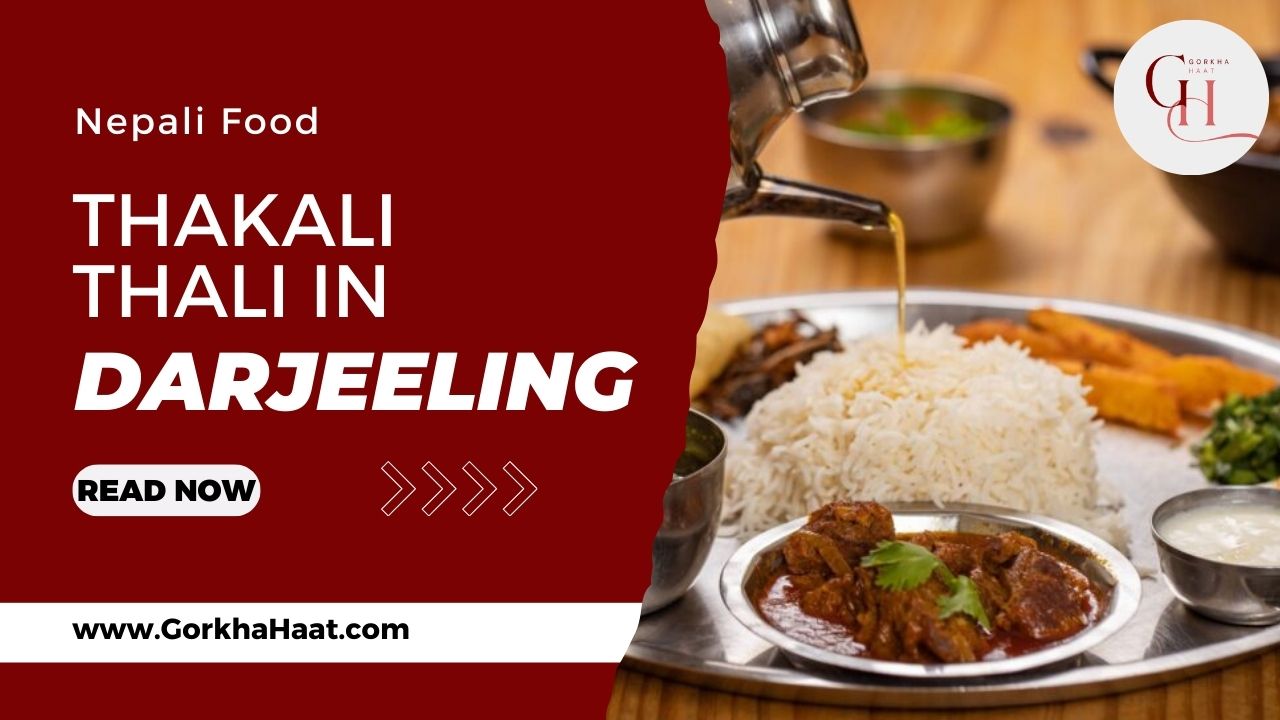
Thakali Thali in Darjeeling: Authentic Himalayan Meal Set with Dhindo & Gundruk | Gorkha Haat
Explore Thakali Thali—the hearty, flavorful Nepali platter from Mustang, beloved in Darjeeling & Kalimpong. Discover origins, components, health benefits, and best spots to enjoy this warming hill feast at Gorkha Haat.

Traditional Handicrafts of Gorkha Nepal: Khukuri, Dhaka Weaving, Bamboo & Wood Crafts 2026
Explore traditional handicrafts of Gorkha district, Nepal – iconic khukuri knives, Dhaka fabric weaving, bamboo baskets, wood carvings, and ethnic Gurung/Magar artistry. A guide from Darjeeling's Gorkha perspective on heritage crafts!
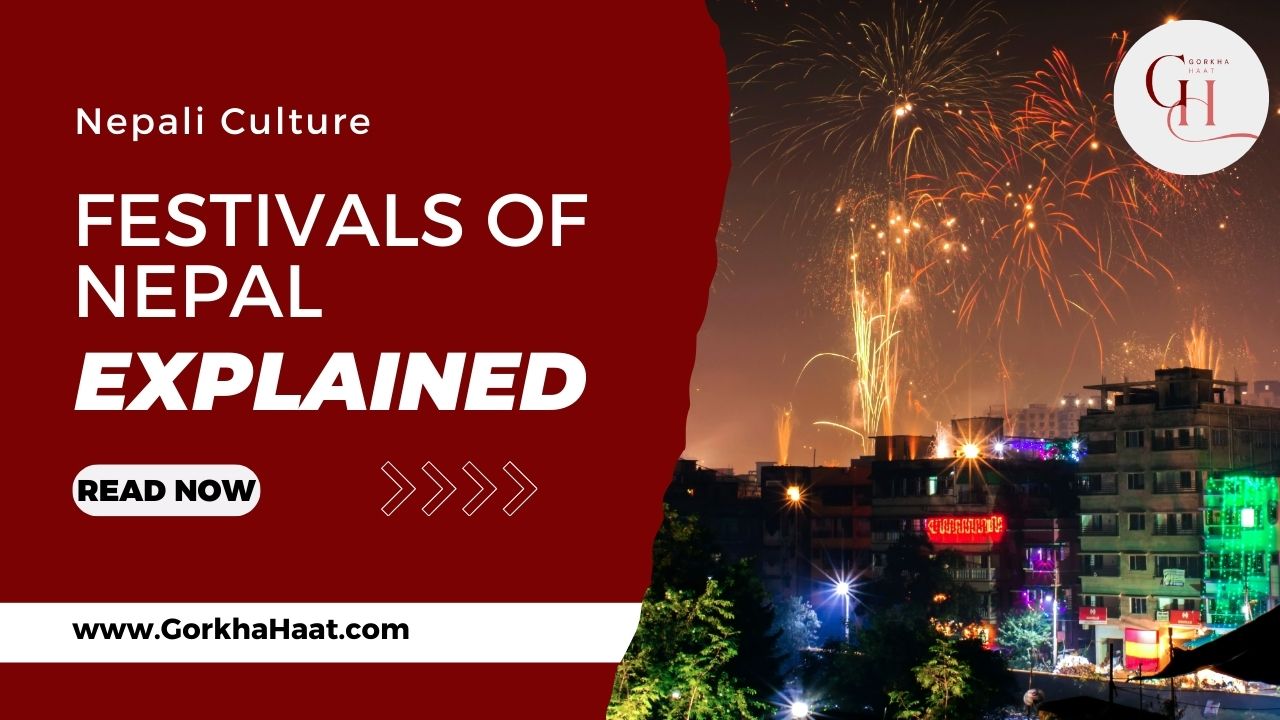
Festivals of Nepal Explained: Dashain, Tihar, Holi, Buddha Jayanti - Gorkha Haat
Discover major festivals of Nepal – Dashain, Tihar, Holi, Teej, Buddha Jayanti, Losar & more. Meaning, rituals & differences between Nepal and Darjeeling Gorkha celebrations.
Comments
User Name
This is an example comment. Users can leave feedback here.