Manakamana Temple Nepal: Complete Pilgrim Guide 2025 | Wish-Fulfilling Goddess Bhagwati
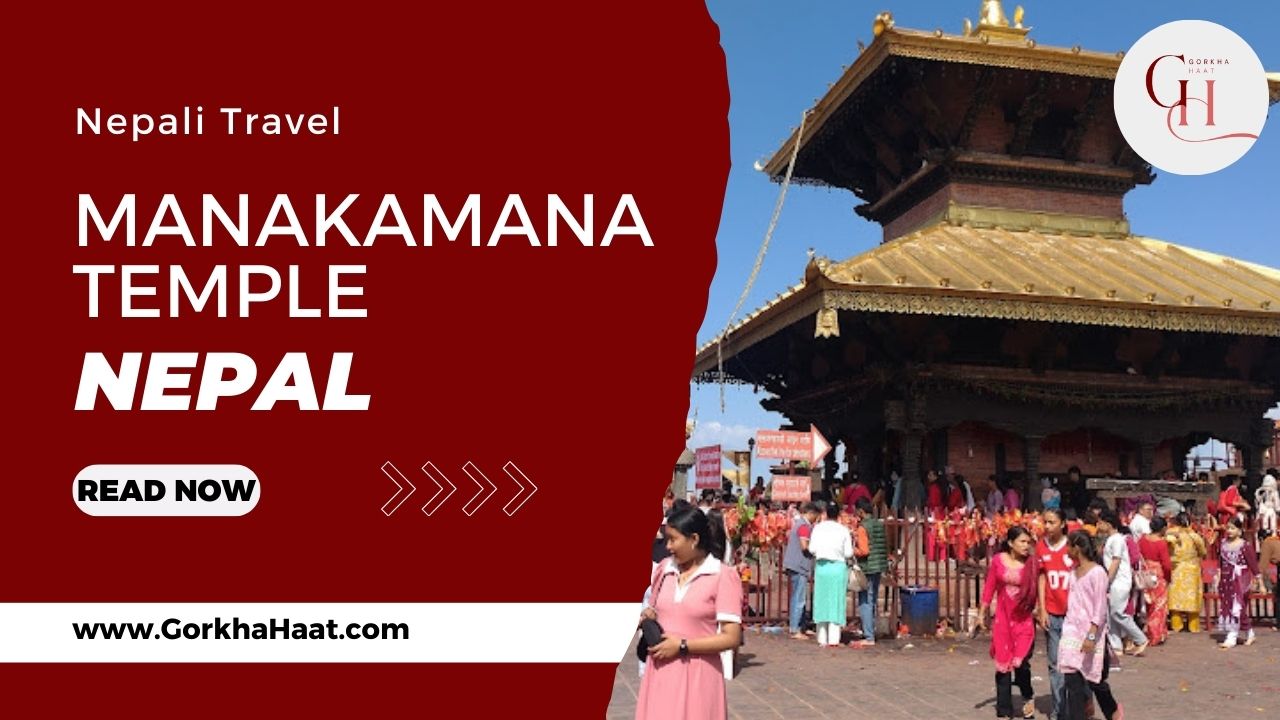
Discovering the Wish-Fulfilling Magic of Manakamana Temple: A Pilgrim's Guide from the Heart of Gorkha Heritage
Hello, dear readers of Gorkha Haat! I'm Rajesh Gurung, your dedicated content writer here in the misty hills of Darjeeling. As someone who's grown up surrounded by the vibrant Gorkha culture that bridges the borders between India and Nepal, I find immense joy in sharing stories that celebrate our shared heritage. Our blog, Gorkha Haat, isn't just about the bustling markets and authentic handicrafts from the Gorkha region—it's a window into the soul of our people, their traditions, and the sacred sites that define us. Today, I'm thrilled to take you on a virtual journey to one of the most revered spots in Nepal: the Manakamana Temple. Nestled in the Gorkha district, this temple isn't just a place of worship; it's a beacon of hope, faith, and cultural pride for Gorkhas everywhere, including those of us in Darjeeling who trace our roots back to these very hills.
If you've ever wandered through the tea gardens of Darjeeling or attended a local Gorkha festival, you've likely heard whispers of Manakamana—the "wish-fulfilling" goddess. For many in our community, visiting this temple is more than a pilgrimage; it's a rite of passage, a way to connect with ancestors and seek blessings for life's endeavors. In this comprehensive guide, I'll delve deep into the temple's history, legends, spiritual significance, architecture, and practical tips for planning your visit. Whether you're a devout Hindu, a curious traveler, or someone exploring your Gorkha lineage, this article will equip you with everything you need to know. And trust me, as someone who's made the trek myself (pun intended), the experience is transformative. Let's embark on this enlightening adventure together!
The Legendary Origins: Unraveling the History of Manakamana Temple
To truly appreciate Manakamana Temple, we must start at its roots, which are steeped in centuries-old tales of devotion and divine intervention. The temple's history dates back to the 17th century, during the reign of King Ram Shah of Gorkha, a figure central to Nepal's early unification efforts. But the story begins even earlier with a humble devotee named Lakhan Thapa, a local priest and farmer whose unwavering faith caught the attention of the gods.
According to historical accounts passed down through generations, Lakhan Thapa was known for his deep spiritual practices. One fateful night, the goddess Bhagwati— an incarnation of Parvati, the consort of Lord Shiva—appeared to him in a vivid dream. She revealed that she resided in a sacred stone on a hilltop in the Gorkha region and instructed him to build a temple there to honor her. Lakhan, awestruck yet resolute, set out to locate the site. With divine guidance, he found the spot overlooking the confluence of the Trishuli and Marsyangdi rivers, where the energy of the land amplified her powers.
The temple was initially a modest structure, but its fame grew rapidly as word spread of the goddess's wish-granting abilities. By the time King Prithvi Narayan Shah, the founder of modern Nepal and a descendant of the Gorkha royalty, came into power in the 18th century, Manakamana had become a symbol of national identity. Prithvi Narayan himself was said to have sought blessings here before his campaigns to unify Nepal's fragmented kingdoms. He and his successors expanded and rebuilt the temple, incorporating intricate designs that reflected the evolving artistry of the era.
From a Darjeeling perspective, this history resonates deeply. Many Gorkhas in our region migrated from Nepal during the British colonial period, bringing with them stories of Manakamana. In fact, Darjeeling's own Gorkha communities often organize group pilgrimages to the temple, viewing it as a link to their ancestral homeland. I've spoken to elders in local haats (markets) who recount how their forebears would trek for days across borders to offer prayers, especially during times of hardship like famines or wars. This cross-border connection underscores how Manakamana isn't just Nepali—it's a shared treasure for the entire Gorkha diaspora.
Over the years, the temple has withstood earthquakes, including the devastating 2015 quake that shook Nepal to its core. Reconstruction efforts, supported by devotees worldwide, have preserved its sanctity while modernizing access. Today, it stands as a testament to resilience, blending ancient lore with contemporary devotion. If you're planning a visit, understanding this backstory will make your experience all the more profound—it's like stepping into a living history book where every stone whispers tales of faith.
The Spiritual Heart: Significance and Beliefs Surrounding the Goddess
At the core of Manakamana Temple lies its profound spiritual significance. The name "Manakamana" itself is a fusion of two Sanskrit words: "mana" meaning heart, and "kamana" meaning wish or desire. Devotees believe that the goddess Bhagwati fulfills the heartfelt wishes of those who approach her with pure intentions. This belief isn't mere superstition; it's rooted in Hindu philosophy, where Bhagwati represents Shakti—the divine feminine energy that powers the universe.
As a Shakti Peetha (one of the sacred sites where parts of Goddess Sati's body are said to have fallen), Manakamana is considered a powerhouse of cosmic energy. Pilgrims from all walks of life—farmers seeking bountiful harvests, students praying for academic success, couples hoping for marital bliss, or entrepreneurs desiring prosperity—flock here. The ritual of offering sacrifices, such as goats or pigeons (though vegetarian offerings like coconuts and fruits are increasingly common due to ethical considerations), is seen as a way to appease the goddess and invite her blessings.
For the local Tamang and Magar communities indigenous to the Gorkha hills, the temple holds additional cultural layers. These ethnic groups blend Hindu rituals with their animist traditions, viewing Bhagwati as a protector of the land and its people. During my own visit a few years ago, I witnessed a group of Tamang women performing traditional dances in the temple courtyard, their colorful attire swirling in harmony with the chants. It was a beautiful reminder of how Manakamana fosters unity amid diversity.
In the broader Hindu context, the temple emphasizes themes of devotion (bhakti) and karma. Priests often advise visitors to make vows—promising to return if their wish is granted—which creates a cycle of gratitude and repeated pilgrimages. This practice has led to fascinating stories; I've heard from friends in Darjeeling who attribute life-changing events, like overcoming illnesses or finding lost loved ones, to the goddess's grace.
But beyond personal gains, Manakamana promotes inner peace and self-reflection. The serene hilltop location, at an elevation of about 1,302 meters, encourages meditation amid nature's embrace. Surrounded by lush forests teeming with rhododendrons, langur monkeys, and occasional glimpses of Himalayan peaks like Annapurna and Manaslu, it's a place where the material world fades, allowing the spirit to soar. For Gorkhas in Darjeeling, who often face the challenges of modern life far from their roots, such sites offer a spiritual recharge, reinforcing our identity as resilient warriors of faith.
Architectural Marvel: A Blend of Tradition and Timeless Beauty
Stepping into Manakamana Temple is like entering a masterpiece of Nepali craftsmanship. The structure exemplifies the classic pagoda style prevalent in Himalayan architecture, with multi-tiered roofs that slope gracefully, symbolizing the ascent to divinity. Constructed primarily from wood, brick, and stone, the temple's exterior is adorned with intricate carvings depicting scenes from Hindu epics like the Ramayana and Mahabharata. These motifs—gods battling demons, celestial dancers, and floral patterns—are not just decorative; they narrate stories that educate and inspire visitors.
The main entrance features grand wooden pillars etched with mythical creatures, leading to the inner sanctum where the idol of Goddess Bhagwati resides. This sanctum, or garbhagriha, is a small, intimate space where only priests can enter, but devotees can catch glimpses during aarti (prayer ceremonies). Surrounding it are brass bells that pilgrims ring to announce their presence, their resonant chimes echoing through the hills. The walls boast vibrant frescoes and metalwork, including copper plates and golden accents that gleam under the sun.
What strikes me most is the temple's harmony with its environment. Stone pathways wind through courtyards dotted with smaller shrines dedicated to ancillary deities like Ganesh and Hanuman. Rest areas with benches offer spots to soak in the panoramic views, while vendor stalls sell prasad (blessed offerings) and souvenirs. Despite modern additions like safety railings post-earthquake, the architecture retains its authentic charm, thanks to skilled artisans from local communities.
Compared to grander temples like Pashupatinath in Kathmandu, Manakamana's scale is modest, yet its intimacy fosters a personal connection. During festivals, the site transforms with colorful banners and lights, enhancing its aesthetic appeal. If you're an architecture enthusiast from Darjeeling, where colonial influences meet indigenous designs, you'll appreciate how Manakamana mirrors our own Lepcha and Gorkha styles—simple, sturdy, and spiritually evocative.

Planning Your Pilgrimage: How to Reach Manakamana from Darjeeling and Beyond
For readers in Darjeeling, reaching Manakamana involves a bit of adventure, but it's entirely feasible and rewarding. The temple is located in Nepal's Gorkha district, about 140 kilometers west of Kathmandu. From Darjeeling, the journey typically starts with a drive or train to the India-Nepal border at Kakarbhitta (around 4-5 hours), followed by crossing into Nepal and heading to Kathmandu (another 6-7 hours by bus).
Once in Kathmandu, take a local bus or hire a taxi to Kurintar, the base station for the cable car— a 3-4 hour ride along the Prithvi Highway, passing through scenic valleys and riverside towns. Buses depart frequently from Gongabu Bus Park, and the fare is affordable (around NPR 500-700 one way). For a more comfortable option, join organized tours from Kathmandu, which often include guides and meals.
The highlight of the ascent is the Manakamana Cable Car, introduced in 1998 by Austrian engineers to make the site accessible to all. Spanning 2.8 kilometers, the ride takes 10-12 minutes and offers breathtaking aerial views of terraced fields, rushing rivers, and forested hills. Tickets cost approximately NPR 900 for a round trip (foreigners might pay slightly more), with concessions for children and seniors. The cars are safe, air-conditioned, and run from 8 AM to 5 PM, though hours extend during peak seasons.
If you're up for a challenge, opt for the traditional hike from Abu Khaireni or Kurintar—a 3-4 hour uphill trail through villages and jungles. It's strenuous but immersive, allowing interactions with locals and sightings of wildlife. I recommend the cable car for first-timers, especially families, as it saves energy for temple exploration.
From Darjeeling, budget 2-3 days for the round trip, including border formalities (Indian citizens need ID like Aadhaar or passport). Best to travel in groups for safety and cost-sharing. Pro tip: Carry Nepali rupees, as ATMs are sparse in rural areas.

The Temple Experience: Rituals, Offerings, and Daily Life
Upon arriving at the hilltop village, the temple complex greets you with a buzz of activity. Start by removing your shoes—a sign of respect—and perhaps take a ritual bath at nearby taps if you're performing pujas. The main ritual involves queuing for darshan (viewing the deity), where you offer flowers, fruits, incense, or coconuts. For animal sacrifices, designated areas handle them humanely, with the meat often distributed as prasad.
Participate in the aarti, held multiple times daily, where priests chant mantras amid ringing bells and flickering lamps. It's a sensory overload of devotion that leaves you energized. Afterward, circumambulate the temple clockwise, a practice believed to accumulate merit.
The surrounding village adds to the charm, with teahouses serving dal bhat (lentil rice) and momos, shops selling rudraksha beads and herbal remedies, and guesthouses for overnight stays (NPR 1,000-2,000 per night). Spend time chatting with locals; their stories of miracles will inspire you. During my visit, an elderly priest shared how the goddess protected the temple during the 1934 earthquake, attributing it to collective faith.
For a deeper dive, join meditation sessions or yoga classes offered sporadically. And don't miss the viewpoints for sunset vistas—pure magic!
Festivals and the Best Times to Visit
Manakamana comes alive during festivals, drawing crowds that amplify its vibrant energy. The biggest is Dashain (October), a 15-day celebration honoring Durga (another form of Bhagwati). Expect elaborate pujas, animal sacrifices, and family reunions, with the temple decorated in marigolds and lights.
Tihar (Diwali, November) focuses on prosperity, with oil lamps illuminating the hills and bhajans echoing late into the night. Navaratri (September-October) features nine days of fasting and dances, while Teej (August) sees women in red saris praying for marital happiness. Nag Panchami (July-August) honors serpents with milk offerings.
The best time overall is March-May or September-November, when weather is mild (15-25°C) and views clear. Avoid monsoons (June-August) due to slippery paths and winters (December-February) if you're sensitive to cold (down to 5°C). Festivals mean crowds, so book accommodations early.
Practical Tips and Personal Insights for a Memorable Visit
As your Gorkha Haat guide, here are my top tips: Dress modestly (cover shoulders and knees), avoid leather items, and respect photography restrictions inside the sanctum. Carry water, snacks, and medications, as facilities are basic. For eco-conscious travelers, use reusable bags to minimize plastic waste—the temple promotes sustainability.
Budget-wise, a day trip from Kathmandu costs NPR 2,000-3,000 per person, including transport and food. From Darjeeling, add visa fees if needed. Safety is good, but stay vigilant in crowds.
Personally, my pilgrimage to Manakamana was life-affirming. Amid the chants and mountain air, I felt a profound connection to my Gorkha roots, reminding me why we at Gorkha Haat cherish these stories. It fulfilled my wish for clarity in a chaotic world.
Nearby Attractions: Extending Your Adventure
Don't stop at the temple—explore Gorkha Durbar, the ancient palace of Prithvi Narayan Shah, just 20 km away. Trek to nearby villages for homestays or visit Bandipur, a preserved Newari town. Nature lovers can raft on the Trishuli River or hike to Chepe Ghat waterfalls.
Wrapping Up: Why Manakamana Calls to Your Soul
In conclusion, Manakamana Temple is more than a destination; it's a journey of the heart. For us in Darjeeling's Gorkha community, it symbolizes our enduring spirit and cultural bonds. Whether seeking wishes, peace, or heritage, this sacred site delivers. Plan your visit, and let the goddess guide you. Stay tuned to Gorkha Haat for more tales from our world—namaste!

Gorkha Haat Team
We share stories of authentic Nepali heritage, food, culture, and local markets.
Related Posts
Tihar Festival Nepal & Darjeeling - Queen of Hills : Full Guide & Rituals
Explore Tihar (Deepawali) – Nepal’s Festival of Lights with Kukur Tihar, Lakshmi Puja, Bhai Tika. Rituals, significance & differences between Nepal and Darjeeling Gorkha celebrations.
Thakali Thali in Darjeeling: Authentic Himalayan Meal Set with Dhindo & Gundruk | Gorkha Haat
Explore Thakali Thali—the hearty, flavorful Nepali platter from Mustang, beloved in Darjeeling & Kalimpong. Discover origins, components, health benefits, and best spots to enjoy this warming hill feast at Gorkha Haat.
Swayambhu (Swayambhunath) Stupa: History, Legends, Architecture & Spiritual Guide
Swayambhu (Swayambhunath) Stupa is one of Nepal’s oldest and most sacred Buddhist monuments. Known for its serene hilltop setting, iconic Buddha eyes, and rich spiritual history, it remains a powerful symbol of enlightenment, peace, and cultural harmony in the Kathmandu Valley.
Comments
User Name
This is an example comment. Users can leave feedback here.