Guthi System Nepal & Darjeeling: Newar Community Guide 2026
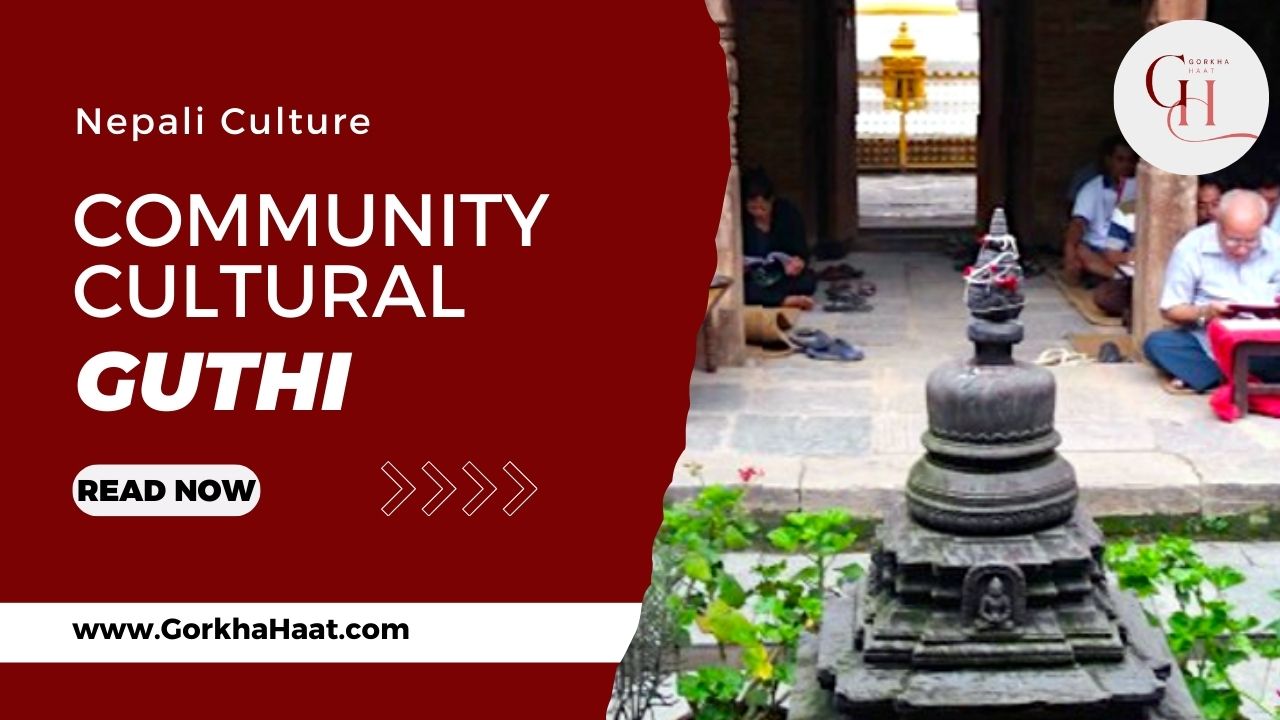
Guthi: The Heartbeat of Newar Community Culture – Traditions in Nepal and Darjeeling’s Newar Diaspora
Namaste and Swasti from the misty hills of Darjeeling! As your Gorkha Haat writer, perched in a cozy corner with the faint aroma of momos and the distant hum of evening prayers, I’m thrilled to share the story of Guthi – the vibrant community system that pulses through Newar culture like a sacred drumbeat. For centuries, Guthi has been the glue binding Newar families in Nepal’s Kathmandu Valley, orchestrating everything from festivals to funerals. Here in Darjeeling, Kalimpong, and Kurseong, our small but spirited Newar community has carried this tradition across borders, adapting it to our hill life while keeping its soul intact.
Unlike the ritual-specific ceremonies like Nwaran or Bel Bibaha, Guthi is a living institution – a cultural ecosystem that organizes, preserves, and celebrates Newar identity. Let’s dive into its origins, roles, rituals, and how it thrives differently in Nepal’s ancient courtyards and Darjeeling’s tea-scented slopes.
What is Guthi? The Pillars of Newar Society
Guthi (गुठी), derived from the Sanskrit “gosthi” meaning assembly, is a socio-religious organization unique to the Newar community. It’s a cooperative system where families come together to manage shared cultural, religious, and social responsibilities. Think of it as a community trust – but instead of just money, it stewards traditions, temples, festivals, and even mutual support in times of joy or sorrow.
In Nepal, Guthis are deeply tied to specific localities, castes, or purposes – from maintaining ancient stupas to funding elaborate jatras (festivals) like Indra Jatra. In Darjeeling’s Newar diaspora, Guthis are smaller and more flexible, often serving as cultural anchors for our scattered community amidst the Gorkha, Lepcha, and Bengali populations.
Each Guthi has:
A group of member families (often same caste or neighborhood)
A leader (nakkhin or thakali)
Endowed land or funds (historically in Nepal)
Specific duties (e.g., organizing Rato Machhindranath Jatra or a mass Bel Bibaha)
It’s a system where duty meets devotion, ensuring no Newar tradition fades.
Historical Roots: From Licchavi Era to Today
Guthis trace back to Nepal’s Licchavi period (400–750 CE), when kings granted land to community groups for religious and social upkeep. These endowments, called Guthi sanad, funded everything from temple repairs to feeding pilgrims during festivals. Over centuries, Guthis became the backbone of Newar life, managing:
Temples and monasteries
Annual festivals (Bajrayogini Jatra, Bisket Jatra)
Life-cycle rituals (Ihi, Barha Tayegu, funerals)
Community welfare (helping widows, orphans)
In Nepal, Guthis remain semi-formal institutions, some still holding ancestral lands despite government nationalization in the 1960s. In Darjeeling, our Newar Guthis emerged post-19th-century migration, when families settled as traders or tea estate workers. Without land endowments, our Guthis rely on member contributions and focus on cultural preservation – organizing gunla bajan, Mohani festival, or collective Ihi ceremonies.
Types of Guthi: Diverse Roles, One Purpose
Guthis are categorized by function, and their roles differ slightly between regions.
In Nepal (Kathmandu Valley)
Raj Guthi: State-endowed, managing major temples (e.g., Pashupatinath).
Sana Guthi: Family/clan-based, for life-cycle rituals like weddings, funerals.
Dharma Guthi: Religious, maintaining shrines or funding jatras.
Sewa Guthi: Service-oriented, caring for community welfare.
Nasa Guthi: Focused on music, dance, or cultural arts like dhimay drumming.
In Darjeeling
Our Guthis are less formal, often merging roles:
Samaj Guthi: General community groups like Darjeeling Newar Samaj, handling festivals (Mohani, Swanti) and rituals (Ihi, Janko).
Cultural Guthi: Focused on gunla bajan, dapa khala (traditional music groups).
Welfare Guthi: Informal support for funerals or emergencies, like helping families during COVID-19.
In Nepal, Guthis are caste-specific (e.g., Shrestha-only or Vajracharya-only). In Darjeeling, they’re inclusive, uniting Shrestha, Maharjan, Tuladhar, and even mixed Newar-Gorkha families under one umbrella.
Key Functions: Guthi as Community Lifeline
Guthis are the architects of Newar life, serving multiple roles:
Festival Organization: From Bhaktapur’s Bisket Jatra to Darjeeling’s small-scale Mohani, Guthis fund and manage processions, feasts, and rituals.
Ritual Coordination: Mass Bel Bibaha or Janko (elder initiation) are planned by Guthis, ensuring affordability and grandeur.
Cultural Preservation: Teaching dhimay, bhushya, or Newari language to youth.
Social Support: Helping with funeral costs, supporting orphans, or aiding during crises.
Temple Maintenance: In Nepal, Guthis repair stupas; in Darjeeling, they maintain small shrines like Kalimpong’s Vishnu Mandir.
In Nepal, Guthis are formal with written records. In Darjeeling, they’re more fluid – meetings happen over tea at community halls, and WhatsApp groups coordinate events.
Rituals and Practices: Guthi in Action
While Guthi itself isn’t a single ceremony, its activities involve rituals:
In Nepal
Annual Guthi Meetings: Held during festivals like Sithi Nakha, where accounts are reviewed, and duties assigned.
Jatra Processions: Guthi members lead chariot-pulling or deity worship (e.g., Rato Machhindranath).
Ritual Feasts (Bhoj): After events, samay baji (beaten rice, meat, lentils) is served.
Sana Guthi Duties: Family Guthis manage Ihi or funeral rites, with specific members performing puja.
In Darjeeling
Gunla Bajan: Monthly gatherings during Gunla month, where youth learn drumming at places like Darjeeling’s Newar Bhawan.
Festival Planning: Organizing Mohani with dyo bhway (deity worship) and community feasts featuring chhoila, yomari.
Collective Ceremonies: Small Ihi or Janko events at community centers, often with pooled funds.
Welfare Acts: Visiting sick members or collecting donations for funerals.
In Nepal, rituals are elaborate, with hours of chanting. In Darjeeling, they’re shorter – a 2-hour puja replaces a full day, reflecting our busy hill schedules.
Cultural Significance: Why Guthi Endures
Guthi is more than organization – it’s identity:
Community Unity: It binds families across generations, ensuring no one feels alone.
Cultural Continuity: From Newari language to dapa khala, Guthis keep traditions alive.
Social Security: In absence of modern welfare, Guthis step in during crises.
Spiritual Anchor: Connecting Newars to their Hindu-Buddhist syncretism.
In Nepal, Guthis are a societal backbone, especially in Bhaktapur’s narrow lanes. In Darjeeling, they’re a lifeline for our 5,000-strong Newar population, helping us assert identity amid Gorkha-dominated hills and Bengali urban centers.
Modern Adaptations: Guthi in the 21st Century
Modernity has reshaped Guthi:
Nepal: Urbanization and land reforms reduced Guthi landholdings, but digital tools (Facebook, apps) help coordinate events. Youth Guthis focus on language revival.
Darjeeling: No land endowments, so crowdfunding and annual fees sustain activities. WhatsApp groups plan Mohani or Ihi. Online streaming connects diaspora in Sikkim, UK, USA.
Both regions see:
Eco-friendly festivals (less waste during jatras).
Women’s Guthis emerging, especially in Darjeeling for welfare.
Inter-community Guthis, like Newar-Gorkha collaborations for Losar or Dashain.
Yet, the core – collective duty and cultural pride – remains untouched.
Key Differences: Nepal vs Darjeeling Newar Guthi
Aspect | Nepal (Kathmandu Valley) | Darjeeling Newar Community |
|---|---|---|
Structure | Formal, caste-based, land-endowed | Informal, inclusive, donation-based |
Scale | Large, neighborhood-wide | Small, 20–100 families |
Functions | Temples, jatras, rituals | Festivals, small rituals, welfare |
Leadership | Hereditary nakkhin | Elected or rotational leaders |
Funding | Guthi land, member fees | Crowdfunding, annual contributions |
Rituals | Elaborate, day-long | Short, 1–3 hours |
Community Role | Societal backbone | Cultural identity anchor |
As I watch the sunset paint Kanchenjunga gold, Guthi feels like our community’s heartbeat – steady, sacred, and shared. From Patan’s ancient alleys to Kalimpong’s vibrant bazaars, it reminds us that no Newar stands alone. May our Guthis continue to light lamps, beat dhimays, and weave our stories for generations.
Have you attended a Guthi event? Share your memories below!
Gorkha Haat Team
We share stories of authentic Nepali heritage, food, culture, and local markets.
Related Posts
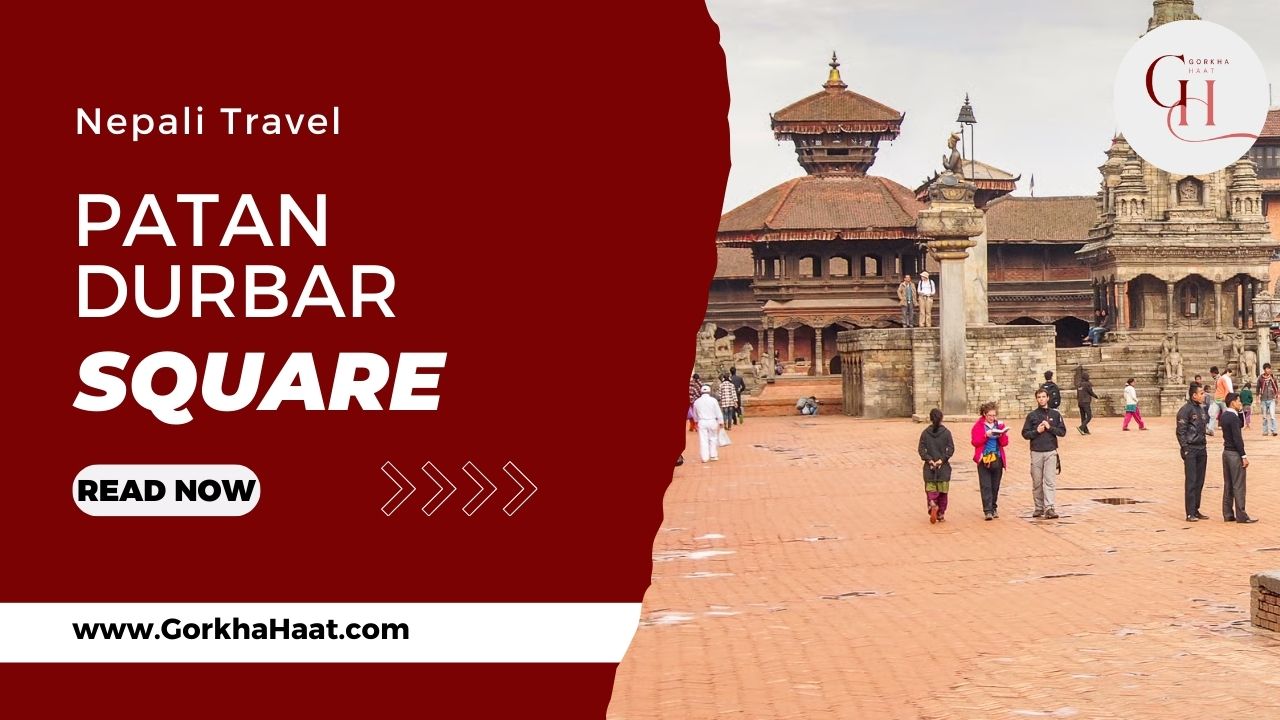
Patan Durbar Square: History, Architecture & Cultural Significance of Nepal’s Royal Heritage Site
Patan Durbar Square is a UNESCO World Heritage Site known for its Newa architecture, ancient temples, royal courtyards, and rich cultural life. Explore its history, spiritual significance, and artistic brilliance.
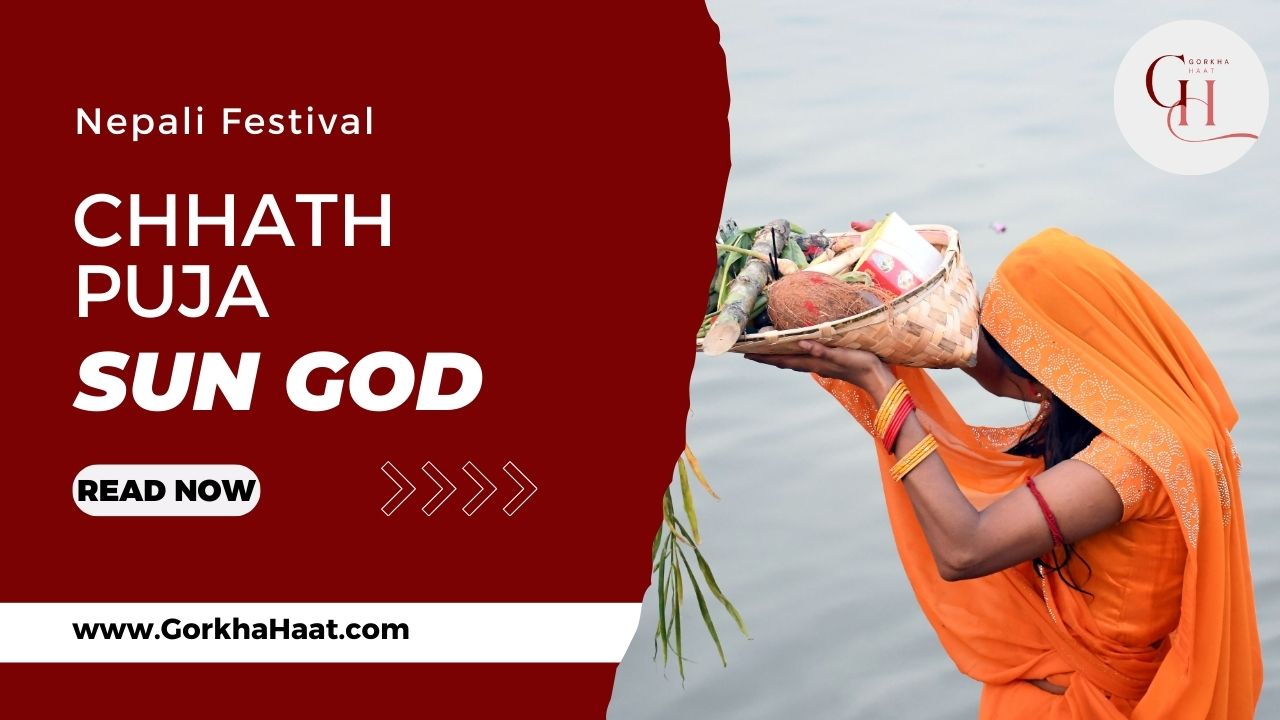
Chhath Puja in Darjeeling: Rituals, Significance & Nepali Traditions | Gorkha Haat
Discover Chhath Puja in Darjeeling's Nepali communities—honoring the Sun God with four days of rituals, fasting, and cultural celebrations. Explore origins, tips, and local significance at Gorkha Haat.

Best Hiking Trails in Darjeeling - Queen of Hills, Kalimpong, Kurseong & Mirik | Gorkha Haat
Explore top hiking trails in Darjeeling hills—from Sandakphu Singalila Ridge to Mirik lake walks. Detailed guides for Darjeeling, Kalimpong, Kurseong & Mirik with tips, views & homestay connections at Gorkha Haat.
Comments
User Name
This is an example comment. Users can leave feedback here.