A Day Inside a Gorkhali Home in Darjeeling
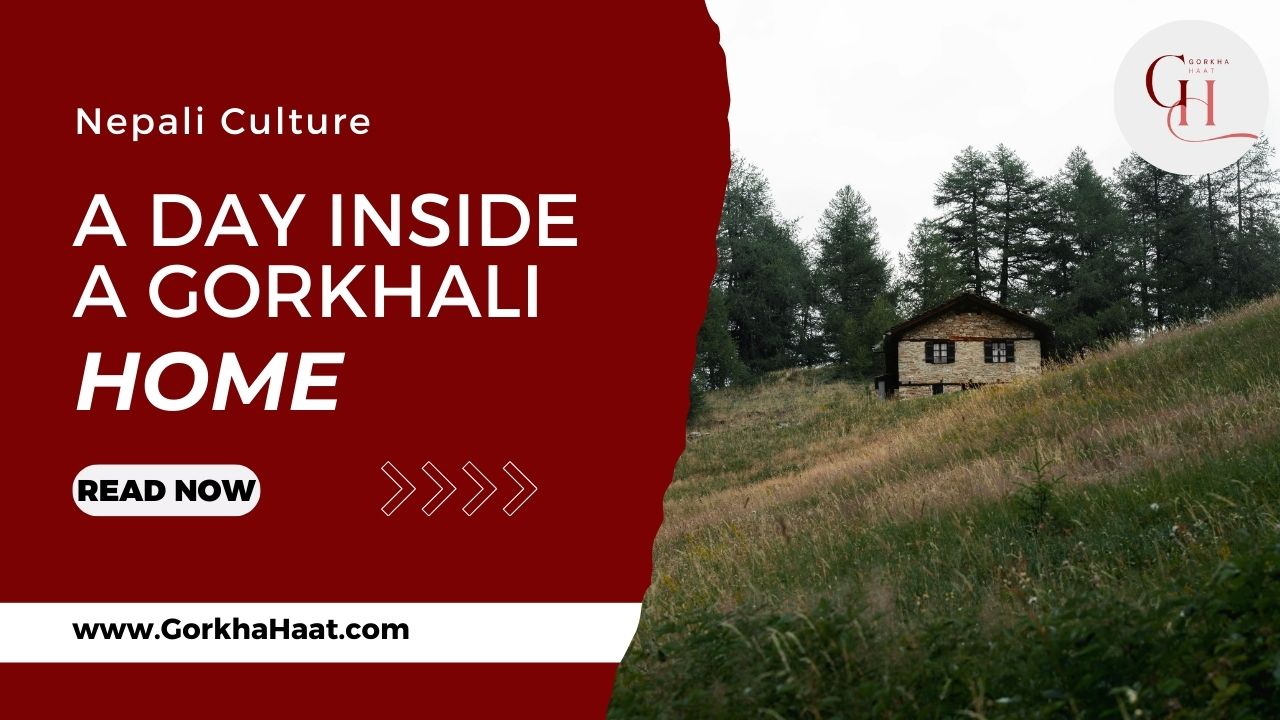
A Day Inside a Gorkhali Home in Darjeeling
In the hills of Darjeeling, the day does not begin with an alarm clock. It begins with sound and light — the call of birds echoing through the valley, the distant whistle of a train climbing the mountain, and the soft glow of morning pushing through thin curtains. In many Gorkhali homes, someone is already awake before the sun rises. A kettle starts to boil. A wooden door creaks open. Another day in the hills quietly begins.
Life inside a Gorkhali household moves at a rhythm shaped by the mountains. The hills decide when people wake, how they work, and how they rest. Unlike city life, where schedules are fixed by offices and traffic, hill life flows with weather, daylight, and the needs of family.
Morning in a Hill Home
The first warmth of the day usually comes from the kitchen. In many homes, the firewood stove is lit before dawn. A mother or grandmother stands beside it, stirring tea or boiling water while wrapped in a thick shawl. The smell of wood smoke mixes with tea leaves, drifting out of the windows into the cold air.
Children wake slowly, rubbing their eyes as they step onto cool wooden floors. Outside, mist still covers the tea gardens and rooftops. Roosters crow in the distance. For many families, breakfast is simple — tea, leftover rice, or flatbread — but it is always shared together.
These small moments around the kitchen fire are where much of family life happens. News is exchanged. Plans are made. Elders offer advice. Even in quiet homes, the kitchen feels alive.
The Structure of a Gorkhali Family
Most Gorkhali homes are multi-generational. Grandparents, parents, and children often live under one roof. This is not just tradition; it is also practical. In the hills, family means security. When one person is sick, another takes over their work. When crops need harvesting, everyone helps.
Grandparents play a central role. They watch over children, tell stories, and pass on values. Many hill children grow up listening to tales of village life, migration, and old festivals while sitting beside an elder during winter evenings.
This closeness creates strong family bonds. Even young people who leave the hills for work often return during festivals or important family events.
Work and Daily Responsibilities
As the morning progresses, each member of the household begins their day’s work. Some leave for tea gardens or farms. Others walk to school or nearby shops. Women often manage the home, cooking, cleaning, and sometimes tending small vegetable gardens.
In villages, daily life is closely tied to the land. Families grow potatoes, beans, greens, and sometimes keep chickens or goats. These small efforts provide both food and income.
In towns like Darjeeling and Kalimpong, people may work in shops, hotels, or offices. But even here, many families still maintain village habits — growing herbs, making pickles, and saving food for winter.
Midday Life
By midday, the house becomes quiet. Those at work are away. Elders rest. Children attend school. The hills outside remain busy with farmers, vendors, and travelers moving along narrow roads.
When family members return for lunch, meals are simple but nourishing. Rice, lentils, vegetables, and sometimes fermented foods are served. These foods reflect generations of hill cooking, shaped by what grows locally and what can be preserved.
The Role of Community
Gorkhali homes are not isolated. Neighbors are an extension of family. In villages, doors are often left open. People walk in to share news or ask for help. If someone is sick, others bring food. If a wedding or funeral occurs, the entire community gathers.
This strong network is one of the reasons hill life remains resilient despite hardships.
Evening in the Hills
As daylight fades, families slowly gather again. The kitchen fills with warmth. Dinner is prepared. Children do homework near the fire. Elders tell stories about their youth.
Outside, the hills grow quiet. Mist returns. Dogs bark in the distance. Inside, the glow of lamps and fires creates a feeling of safety and belonging.
These evenings are when families truly connect. Without the rush of daytime work, people talk, laugh, and share memories.
How Things Are Changing
Today, many Gorkhali homes have televisions, mobile phones, and internet connections. Young people are more connected to the outside world than ever before. Yet, the core of hill family life remains the same.
Even as modern life enters the hills, the importance of family, shared meals, and community continues.
The Heart of Hill Life
A Gorkhali home is more than a building. It is a place where culture lives, where stories are passed down, and where people find comfort in one another. From the first cup of morning tea to the final fire of the evening, these homes quietly preserve the spirit of the Darjeeling hills.
And in these everyday moments — cooking, talking, resting — the true life of the hills continues.

Gorkha Haat Team
We share stories of authentic Nepali heritage, food, culture, and local markets.
Related Posts

Patan Durbar Square: History, Architecture & Cultural Significance of Nepal’s Royal Heritage Site
Patan Durbar Square is a UNESCO World Heritage Site known for its Newa architecture, ancient temples, royal courtyards, and rich cultural life. Explore its history, spiritual significance, and artistic brilliance.
Chhaithi Ceremony Nepal & Darjeeling: Sixth-Day Ritual Guide
Explore Chhaithi – the sixth-day newborn blessing ritual invoking destiny goddess. Rituals, significance & differences between Nepal and Darjeeling Gorkha traditions.
Gorkha Durbar: History, Architecture & Heritage Significance of Nepal’s Iconic Hilltop Palace
Gorkha Durbar is a historic hilltop palace known as the birthplace of Nepal’s unification. Blending Newa craftsmanship, temples, and panoramic Himalayan views, it remains one of Nepal’s most culturally significant heritage sites.
Comments
User Name
This is an example comment. Users can leave feedback here.