Janku Ceremony Nepal & Darjeeling: Newar Longevity Guide 2026
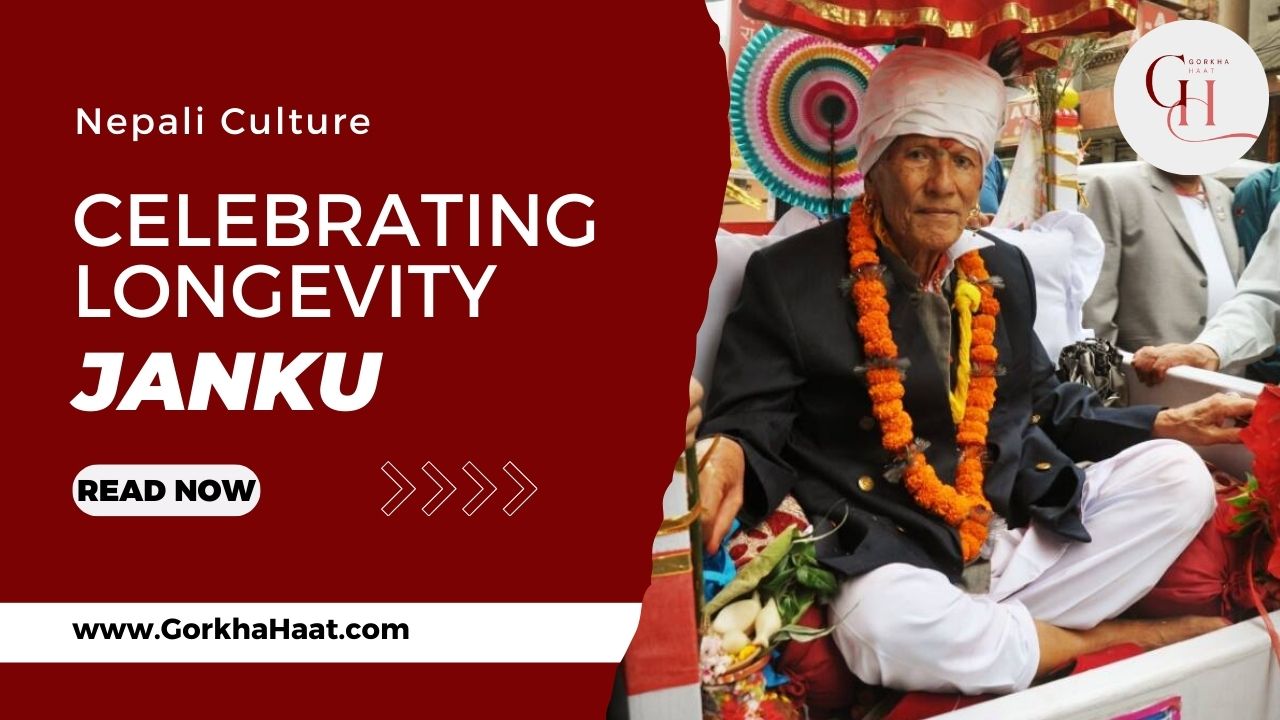
Janku: The Grand Celebration of Longevity – Newar Traditions in Nepal and Darjeeling’s Diaspora
Namaste from the vibrant streets of Darjeeling! As your Gorkha Haat writer, nestled amid the aroma of fresh Darjeeling tea and the echoes of Newari gunla bajan drifting from our community halls, I’m delighted to share the luminous tradition of Janku – the Newar rite that honours extraordinary longevity with divine reverence.
Known as Jyah Janku or Bura Janku (elder’s rice-feeding), this ceremony elevates elders to near-godlike status, celebrating their wisdom and resilience. While Kathmandu Valley’s Newars perform elaborate Janku in ancient courtyards, our smaller Newar community in Darjeeling, Kurseong, Kalimpong, and Siliguri adapts it beautifully – intimate, heartfelt, and infused with hill warmth. Let’s explore its profound meaning, rituals, and how this sacred milestone shines differently across our shared yet distinct worlds.
What is Janku? A Divine Rebirth in Old Age
Janku (जँकु) marks auspicious milestones where elders transcend human frailty, becoming living embodiments of divinity. Rooted in Newar Hindu-Buddhist syncretism, these ages are believed to be vulnerable periods when cosmic threats loom – rituals appease deities, granting protection and renewal.
The main Janku ceremonies for elders are:
First: Bhimratharohan – At 77 years, 7 months, 7 days (worshipping the Sun god)
Second: Chandraratharohan – Around 83 years (after seeing 1,000 full moons, honouring the Moon)
Third: Devaratharohan – At 88 years, 8 months, 8 days (deified status)
Fourth: Divyaratharohan – At 99 years, 9 months, 9 days
Rare Fifth: Mahadivyaratharohan – At 105+ years
After the second or third, elders are revered as gods, receiving sagun (blessings with eggs, fish, alcohol) from juniors.
In Nepal’s Kathmandu Valley, Janku is a massive community event. In Darjeeling’s diaspora Newars (descended from 19th-century traders and settlers), it’s more family-focused, often organized by local samaj or guthi groups.
Timing and Who Celebrates
Dates are calculated precisely by priests using the lunar calendar. For couples, it follows the husband’s age – the wife joins regardless.
In Nepal: Strict adherence, often mass events in historic sites.
In Darjeeling: Flexible for hill life – winter vacations or weekends, smaller gatherings in community halls like Newar Bhawan.
Preparations: Days of Devotion
Weeks ahead, families prepare:
Consulting gubhaju (priest) for muhurta
Crafting or renting a symbolic chariot (rath)
Shopping for ceremonial attire, sagun trays, flowers
Inviting relatives near and far
The Rituals Step by Step – Nepal vs Darjeeling
1. Purification and Dressing
Elders bathe ritually and dress regally – men in daura suruwal or traditional coats, women as brides in red sari/mekhala with heavy gold jewellery.
Nepal: Full bridal attire for widows too.
Darjeeling: Modern comfort blends – elegant saris with hill shawls.
2. Symbolic Chariot Ride (Ratharohan)
The highlight: Elders sit on a decorated wooden chariot, pulled by grandsons or juniors around the neighbourhood or temple.
Nepal: Long processions through ancient streets.
Darjeeling: Shorter loops in local areas or halls, sometimes symbolic walks.
3. Temple Visits and Worship
Prayers to Sun/Moon/Gods, offerings of flowers, sindoor.
4. Sagun and Tika Blessings
Juniors offer sagun (boiled eggs, smoked fish, aila liquor, yoghurt) and tika – reversing roles, seeking elders’ divine blessings.
5. Grand Newari Feast (Bhoj)
Samay baji, chatamari, bara, yomari, meats – a lavish spread.
Nepal: Hundreds attend, elaborate.
Darjeeling: 50–200 guests, with local pork curries or momos added.
Cultural Significance: Honouring Wisdom
Janku embodies Newar reverence for elders – after ceremonies, they’re thakali (seniors), their words sacred. It strengthens family bonds, preserves heritage, and celebrates survival in vulnerable ages.
In Nepal: Reinforces community identity in urbanising Valley.
In Darjeeling: Vital for diaspora – asserts Newar roots amid Gorkha majority, fostering unity.
Modern Adaptations: Tradition Meets Today
Nepal: Livestreaming, professional photography, eco-friendly elements.
Darjeeling: Venue halls/resorts, crowdfunding via samaj, virtual for abroad relatives.
Combined Janku for multiple elders common in hills.
Key Differences at a Glance
Aspect | Kathmandu Valley (Nepal) | Darjeeling Newar Community |
|---|---|---|
Scale | Large processions, hundreds attend | Intimate, 50–200 guests |
Venue | Historic courtyards, streets | Community halls, temples |
Chariot Ride | Long, public | Short, symbolic |
Food | Classic Newari | With hill influences (pork, momos) |
Organisation | Guthi-led, traditional | Samaj/cooperative, modern |
Frequency | Individual or mass | Often small-group |
From Bhaktapur’s grand chariots to Darjeeling’s heartfelt gatherings, Janku radiates the same light: gratitude for life’s long journey. May our elders continue to bless us with their divine presence.
Share your Janku stories – have you witnessed one in the hills?
Gorkha Haat Team
We share stories of authentic Nepali heritage, food, culture, and local markets.
Related Posts
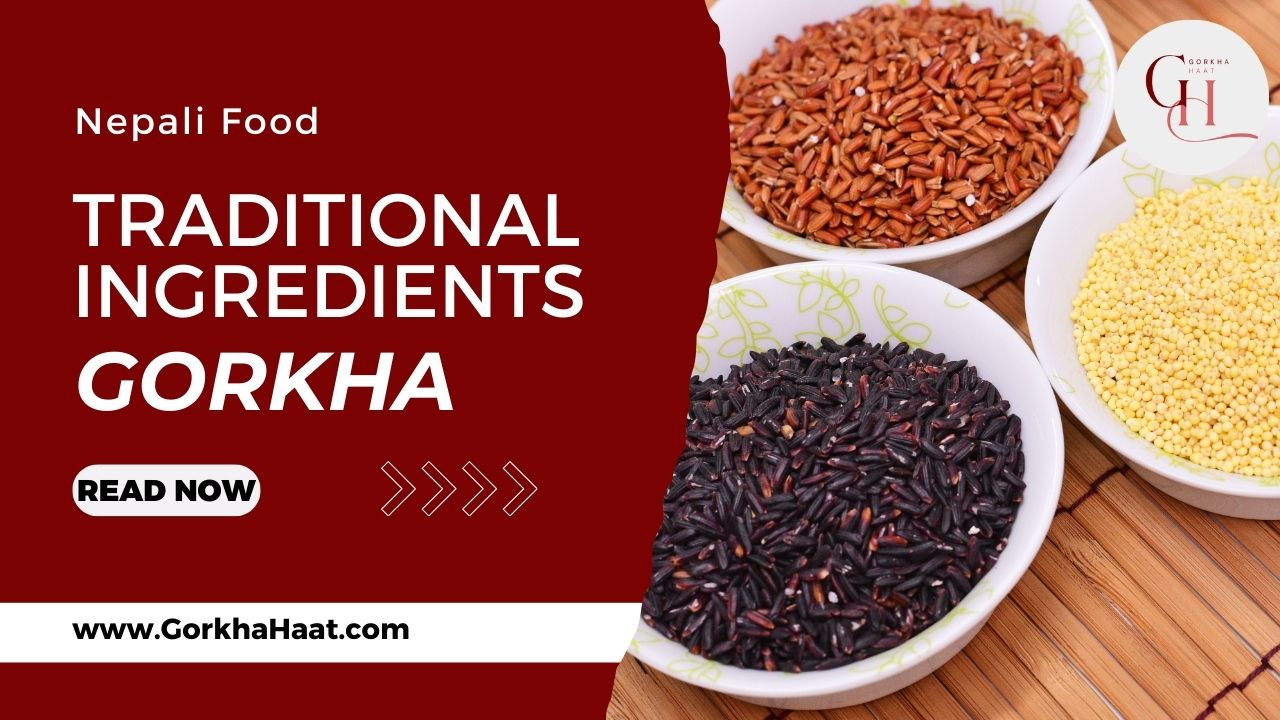
Traditional Ingredients of Gorkha Dishes: Staples, Spices & Ferments Nepal 2026
Explore traditional ingredients in Gorkha Nepali cuisine – millet for dhido, gundruk & sinki ferments, timur spice, mustard oil, kinema, and more. Cultural significance and tips from a Darjeeling Gorkha perspective!
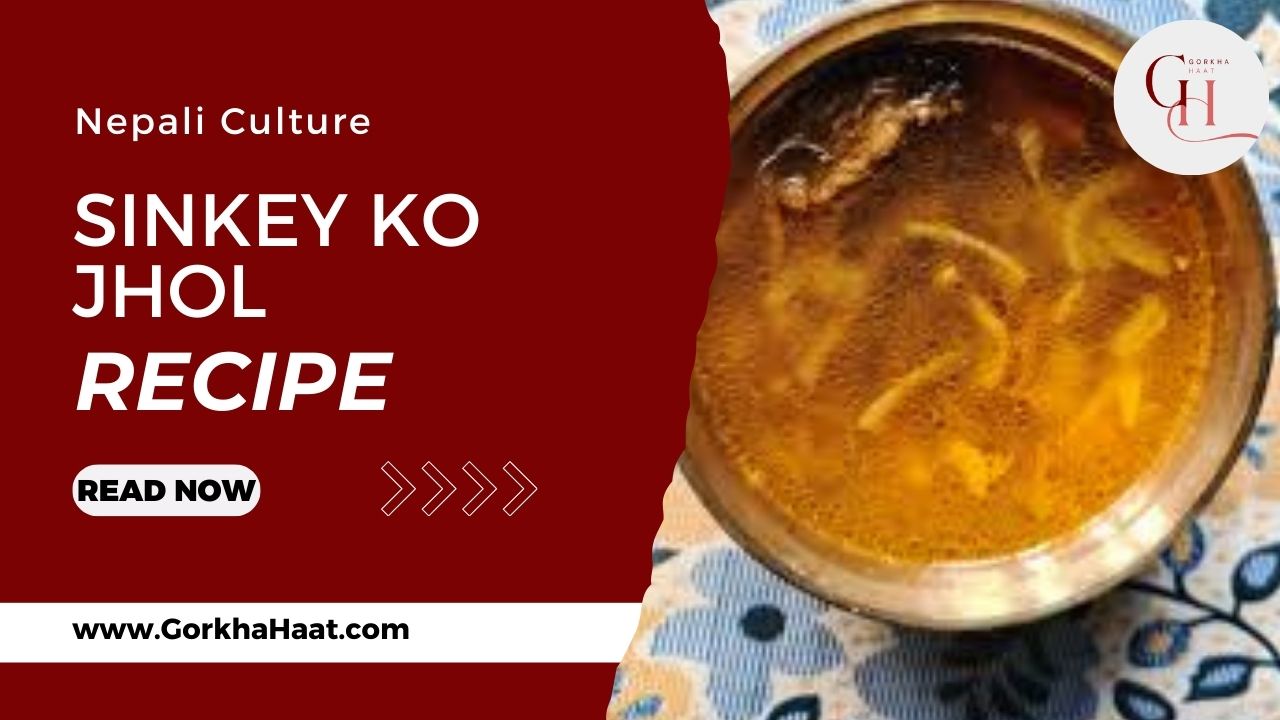
Sinkey Ko Jhol Recipe: Fermented Radish Soup – Authentic Gorkha Winter Dish 2026
Discover Sinkey Ko Jhol – tangy fermented radish leaf soup from eastern Nepal. Authentic recipe, fermentation process, cultural significance, and tips from a Darjeeling Gorkha perspective. Probiotic winter warmer!
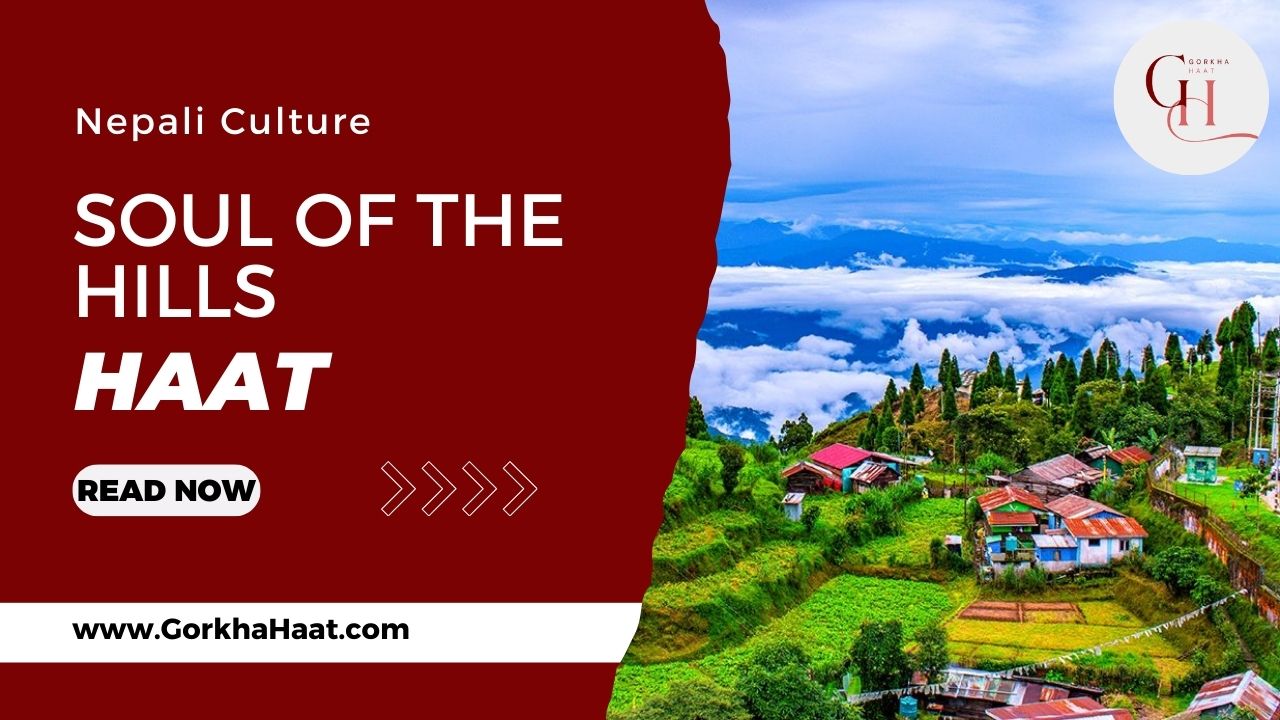
Reviving the Gundri Bazaar: The Vibrant World of Gorkha Haat in Darjeeling, Queen of Hills
Gorkha Haat is more than a market—it's the soul of Darjeeling's Gorkha community, a bridge between past and present, tradition and innovation. Whether seeking authentic handicrafts like khukuri and Dhaka topi, savoring legendary momos, or immersing in cultural vibes, it offers an unforgettable experience.
Comments
User Name
This is an example comment. Users can leave feedback here.