Tea Time in the Hills: Darjeeling Tea Culture, Estates & Traditions | Gorkha Haat
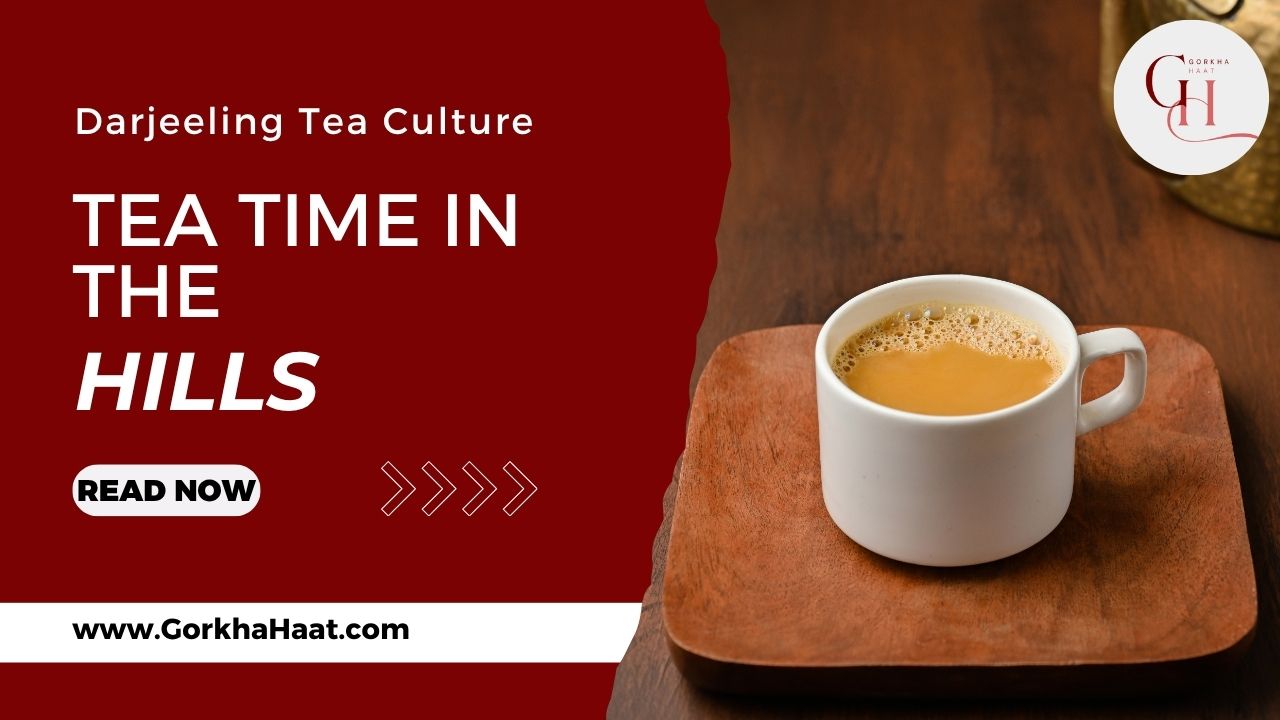
Tea Time in the Hills: Darjeeling Tea Culture and the Soul of the Himalayas
In the crisp morning air of Darjeeling, as the first rays of sun paint Kanchenjunga in hues of gold and rose, nothing captures the essence of the hills better than a steaming cup of world-renowned Darjeeling tea. Known as the “Champagne of Teas,” this delicate, muscatel-flavored brew is more than a beverage here — it is a way of life, a cultural identity, and an economic lifeline for generations of Gorkha-Nepali families.
At Gorkha Haat, the heart of Darjeeling’s Nepali community, tea time is sacred. Whether it’s a simple morning cup paired with fresh Sel Roti or an elaborate afternoon high tea with homemade cakes and sandwiches, the ritual brings people together. From the misty slopes of Takdah to the orchid-laden gardens of Kalimpong, and the quiet lake shores of Mirik, tea culture weaves through daily routines, festivals, and tourism. This article explores the rich heritage, traditions, and modern expressions of Darjeeling tea culture across the hills.
The Origins and History of Darjeeling Tea
Darjeeling tea’s story began in the 1830s when the British, seeking an alternative to Chinese imports, experimented with Chinese tea seeds in the newly acquired hill territory. In 1856, the first commercial plantation, Tukvar, was established. By the late 19th century, over 100 estates dotted the slopes, transforming dense forests into manicured green carpets.
The Gorkha-Nepali connection is central. Thousands of families migrated from Nepal’s eastern hills (especially Gorkha, Ilam, and Dhankuta) to work as pluckers, factory workers, and supervisors. These resilient communities brought their work ethic, folk traditions, and love for strong, spiced chai, blending it with the delicate orthodox processing techniques introduced by the British.
Today, Darjeeling produces only about 1% of India’s total tea but commands premium prices globally due to its unique terroir — high altitude (600–2000m), misty climate, and rich volcanic soil. The tea is hand-plucked, orthodox-processed (not CTC), and famous for its light body, floral aroma, and distinctive “muscatel” flavor that develops best in the second flush (May–June).
Tea Time Rituals in Darjeeling Hills
Tea time in Darjeeling is never rushed. Morning tea (often called “bed tea”) is served at dawn in homestays — strong, milky, and sweet for locals, or light and delicate for visitors. It is paired with Marie biscuits or warm Sel Roti straight from the pan.
Afternoon tea (high tea) is more elaborate. In heritage bungalows and Gorkha Haat cafes, you’ll find tiered stands loaded with cucumber sandwiches, scones with clotted cream (a colonial legacy), homemade fruit cakes, and spicy Aloo Dum. The star remains the tea — first flush for its fresh, green notes or second flush for its fruity depth.
In Nepali households, tea is a social glue. Guests are always offered “chiya” within minutes of arrival. During festivals like Dashain or Lhosar, special spiced masala chai with cardamom, ginger, and cloves accompanies festive foods. In winter, butter tea (suja) or salty Tibetan-style tea provides warmth during hikes.
Darjeeling Tea Estates and Plucking Culture
The tea estates around Darjeeling are living museums. Famous ones like Makaibari, Glenburn, and Castleton (near Kurseong) offer immersive tours. Women pluckers — mostly Gorkha-Nepali women — hand-pick only the top two leaves and a bud (“two leaves and a bud”) with incredible precision, singing folk songs to maintain rhythm.
A skilled plucker can gather 15–20 kg per day. The work is hard — starting at 7 a.m. on steep slopes — but it fosters strong community bonds. Many estates now run homestays where visitors can join plucking sessions, learn factory processing (withering, rolling, oxidation, drying), and taste fresh batches.
At Gorkha Haat, you can buy single-estate teas directly from small growers, supporting fair trade and organic practices that are gaining popularity.
Tea Experiences in Different Areas
Darjeeling Town & Surroundings
In Darjeeling proper, tea culture is vibrant and tourist-friendly. Chowk Bazaar and Gorkha Haat buzz with tea stalls serving hot chai with Momos. Heritage hotels like the Windamere and Elgin offer classic English high tea with Darjeeling’s finest leaves. Nearby estates in Takdah and Tinchuley provide peaceful homestay experiences where guests wake to the sound of pluckers and enjoy garden-fresh brews.
Kalimpong
Kalimpong’s slightly lower altitude produces a milder, sweeter tea. Homestays on Deolo Hill serve excellent varieties alongside Newari snacks like Chatamari. The town’s flower nurseries often double as tea gardens, creating beautiful tasting sessions amid orchids.
Kurseong
Known as the “Land of White Orchids,” Kurseong is a tea lover’s paradise. Estates like Makaibari pioneered organic and biodynamic farming. Homestays here offer “tea plucking tours” followed by tasting sessions with expert explanations of flush differences. The famous Kurseong toy train ride includes scenic tea garden views.
Mirik
Mirik’s cooler climate and orange orchards create unique micro-terroirs. Lakeside homestays serve refreshing iced teas in summer and spiced versions in winter. The blend of tea culture with citrus makes for innovative pairings — orange-infused Darjeeling tea is a local specialty.
Tea and Festivals in the Hills
Tea plays a starring role during major festivals. During Dashain, special first-flush reserves are opened. Teej sees women sipping light teas while fasting. Lhosar celebrations include butter tea for Tibetan-influenced communities. At Gorkha Haat’s annual tea festivals, visitors participate in tasting competitions and learn about grading (SFTGFOP — Special Finest Tippy Golden Flowery Orange Pekoe).
Modern Twists and Global Fame
While traditional orthodox tea remains king, modern innovations thrive — green Darjeeling, white tea, oolong, and even sparkling tea. Young entrepreneurs at Gorkha Haat are creating tea-infused chocolates, cookies, and beauty products.
Darjeeling tea received GI (Geographical Indication) status in 2004, protecting its name worldwide. It continues to win international awards, appearing on tables of royalty and connoisseurs.
Tips for Enjoying Authentic Tea Time in the Hills
Visit during second flush (May–June) for peak muscatel flavor.
Buy from small growers at Gorkha Haat rather than big brands for authenticity.
Join a tea tasting workshop — learn to slurp properly to aerate the tea.
Pair correctly: Light first flush with delicate snacks; robust second flush with spicy Momos.
Support organic estates for sustainable experiences.
Bring home loose-leaf tea — store in airtight tins away from sunlight.
Conclusion
Tea time in the Darjeeling hills is far more than drinking a beverage — it is participating in a living heritage that blends British colonial legacy with Gorkha-Nepali resilience and Himalayan purity. From the rhythmic plucking songs echoing across emerald slopes to quiet moments sipping golden liquor while watching mist roll over Kanchenjunga, every cup tells a story.
Next time you’re in the hills, slow down. Sit on a veranda at a homestay near Gorkha Haat, hold a warm cup, inhale the floral aroma, and taste the mountains themselves. In that moment, you’ll understand why Darjeeling tea is not just famous — it is unforgettable.
Gorkha Haat Team
We share stories of authentic Nepali heritage, food, culture, and local markets.
Related Posts
Festivals & Rituals of Gorkha Nepal: Dashain, Tihar, Teej & Ethnic Celebrations 2026
Explore festivals and rituals in Gorkha district, Nepal – Dashain at Gorkha Durbar, Tihar lights, Teej for women, Manakamana Temple pujas, Maghe Sankranti, and Magar/Gurung ethnic traditions. A heartfelt guide from Darjeeling's Gorkha perspective!
Festivals of Nepal Explained: Dashain, Tihar, Holi, Buddha Jayanti - Gorkha Haat
Discover major festivals of Nepal – Dashain, Tihar, Holi, Teej, Buddha Jayanti, Losar & more. Meaning, rituals & differences between Nepal and Darjeeling Gorkha celebrations.
Traditional Handicrafts of Gorkha Nepal: Khukuri, Dhaka Weaving, Bamboo & Wood Crafts 2026
Explore traditional handicrafts of Gorkha district, Nepal – iconic khukuri knives, Dhaka fabric weaving, bamboo baskets, wood carvings, and ethnic Gurung/Magar artistry. A guide from Darjeeling's Gorkha perspective on heritage crafts!
Comments
User Name
This is an example comment. Users can leave feedback here.